Is an Attack Imminent? Report Says Iodine Tablets Distributed Near Iran’s Nuclear Facilities
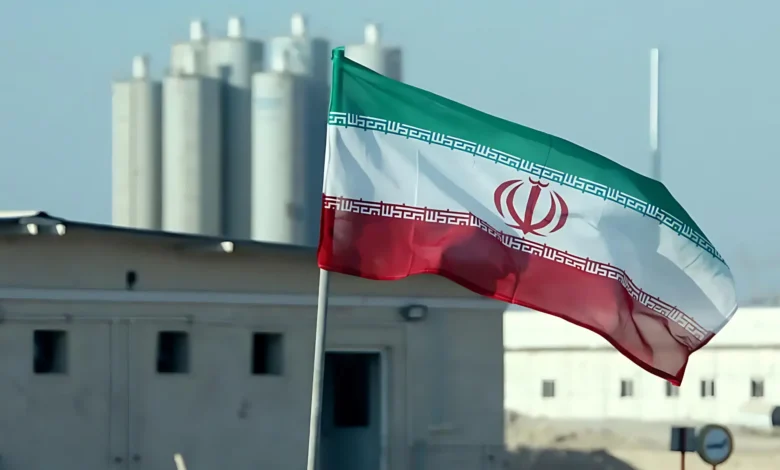
A report published Friday by British newspaper The Times, claiming that Iranian authorities were distributing iodine tablets to people living near nuclear facilities, has raised questions about Tehran’s preparations for a possible US attack amid tensions over its nuclear programme.
The newspaper quoted an unnamed Iranian Health Ministry official as saying that authorities had begun distributing tablets to residents living within a radius of two to three kilometres of nuclear facilities in anticipation of a possible American attack.
Iran’s Health Ministry, however, denied the remarks attributed to one of its officials. Ministry spokesperson Hossein Kermanpour said no ministry official had spoken to the newspaper and that the published quotation was inaccurate. He did not directly confirm or deny whether a new distribution programme had begun.
Writing on X, Kermanpour added that Iran’s healthcare system was on alert to respond to different scenarios and threats. He noted that declaring a state of war was outside the Health Ministry’s remit and described the circulation of unconfirmed information under current circumstances as irresponsible.
In April 2026, Iranian authorities announced the distribution of 180,000 potassium iodide tablets to residents of Bushehr, home to Iran’s only operating nuclear power plant.
The programme began in areas surrounding the plant before expanding across the city as part of a radiological emergency preparedness plan, according to Iranian media quoting a local health official.
Attention is also focused on other nuclear facilities, including Natanz and the nearby mountain complex known as “Pickaxe”, amid reports of Iranian concern that it could be targeted.
Reports of new tablet distributions near these sites have not yet received official confirmation. Iran’s Health Ministry has also provided no details about the geographical scope or timing of any new programme.
Potassium iodide tablets are used in specific radiological emergencies. They reduce the thyroid gland’s absorption of radioactive iodine that may be released into the environment following an accident or radiation leak. They do not protect against other forms of radiation or the effects of a nuclear explosion, nor do they prevent exposure to other radioactive substances.
The World Health Organization recommends taking these tablets only when instructed by the relevant public health authorities. Appropriate timing and dosage depend on factors including age, exposure levels and the nature of the radiological incident.