Are fruits safe during a period of sugar abstinence?
Nutritional and metabolic analysis of an essential question
Sugar abstinence has become a common strategy to improve metabolic health, control weight, and reduce the risk of chronic diseases. It mainly aims to limit the consumption of added sugars, which are responsible for many physiological disturbances. However, this approach raises a recurring question: are fruits, naturally rich in sugars, compatible with a sugar-free period?
-
Why it is recommended to consume fruits before morning workouts
-
How seasonal fruits and vegetables strengthen your immunity
From a biochemical perspective, it is essential to distinguish between added sugars and naturally occurring sugars in foods. Added sugars, such as refined sucrose or high-fructose corn syrup, lack fiber, vitamins, and minerals. Their rapid absorption causes glycemic spikes, promotes insulin resistance, and contributes to fat storage. In contrast, the sugars in fruits are embedded in a food matrix rich in fiber, antioxidants, and micronutrients, which profoundly modifies their metabolic impact.
The fibers contained in fruits slow digestion and sugar absorption. They limit rapid increases in blood glucose and prolong the feeling of fullness. This regulatory action explains why the consumption of whole fruits is associated with a reduced risk of type 2 diabetes and cardiovascular diseases, unlike sugary drinks and ultra-processed products.
-
Lemon tops the list of the healthiest fruits: a nutritional treasure with multiple benefits
-
5 Summer Fruits That Naturally Lower Uric Acid Levels
The fructose naturally present in fruits is often at the center of debates. Unlike industrial fructose consumed in large quantities, fruit fructose is ingested in small doses and accompanied by fibers and polyphenols. Under these conditions, it is mostly metabolized in a controlled manner by the liver, without causing excessive lipid accumulation or hepatic overload.
From a nutritional standpoint, fruits are a major source of vitamins, especially vitamin C, carotenoids, and B vitamins. They also provide essential minerals such as potassium and magnesium, as well as antioxidant compounds involved in cellular protection and inflammation reduction. Completely excluding fruits during sugar abstinence may lead to micronutrient deficiencies and a reduction in dietary diversity.
-
“Durian, the King of Fruits” – These are the Benefits of the “Stinky” Fruit
-
5 Common Mistakes to Avoid When Eating Dried Fruits
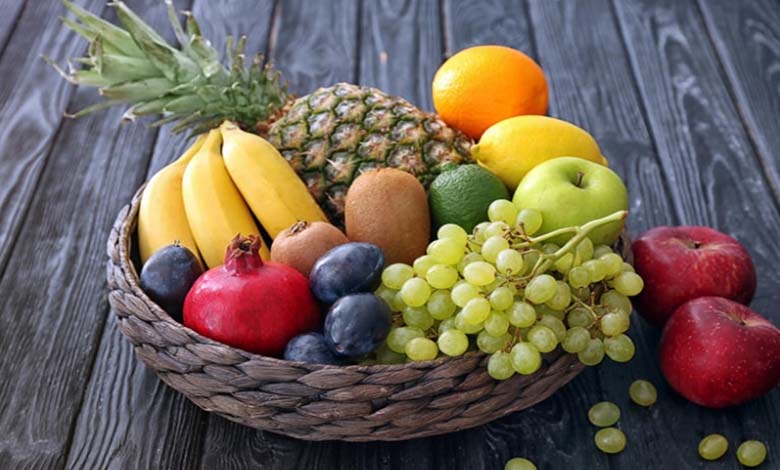
However, not all fruits have the same glycemic profile. Low glycemic index fruits, such as berries, apples, pears, and citrus fruits, cause moderate glycemic responses and are generally well tolerated during a sugar-free period. In contrast, some very ripe or carbohydrate-rich fruits, such as ripe bananas, mangoes, or grapes, may trigger a more pronounced glycemic response when consumed in large quantities.
The context of consumption also plays a decisive role. Eating whole fruits, with their skin and pulp, is preferable to drinking fruit juices, even freshly squeezed ones. Juicing removes much of the fiber and concentrates sugars, making the metabolic effect closer to that of sugary beverages. Combining fruits with protein or healthy fat sources further slows absorption and improves glycemic stability.
-
7 Fruits to Help You Get Rid of Insomnia… Try Kiwi
-
Here are the 7 winter fruits to fill up on vitamins
From a behavioral perspective, allowing a reasonable consumption of fruits facilitates long-term adherence to sugar reduction strategies. An overly strict abstinence may lead to frustration, food cravings, and premature abandonment of health goals. Fruits offer a natural and nutritious alternative to satisfy sweet cravings without resorting to refined products.
In conclusion, fruits are generally safe and even recommended during a period of sugar abstinence, provided that whole fruits are preferred, portions are moderated, and varieties with a moderate glycemic index are chosen. Their nutritional richness, regulatory effect on blood sugar, and protective role make them valuable allies in a sugar reduction strategy aimed at sustainable health.
-
5 servings of fruits and vegetables every day to be healthy
-
Health: here are the advantages of these fruits on our body!
-
Red fruits: all of their health benefits!