Blood Changes Reveal Accelerated Aging in Modern Generations
For decades, scientists viewed aging as a gradual, predictable, and largely unavoidable biological process. However, emerging research suggests that the reality may be far more complex. By examining specific biological markers found in the blood, researchers have identified signs indicating that modern generations may be experiencing biological aging at a faster rate than previous ones.
This hypothesis has attracted growing attention within the scientific community. It is based on observations of changes in blood markers associated with inflammation, metabolism, immune function, and cardiovascular health. Although life expectancy has increased significantly over the past century, several indicators suggest that certain biological functions may now be deteriorating earlier in life than they did in previous generations.
These findings raise important questions about the influence of modern lifestyles, environmental factors, and dietary habits on the aging process.
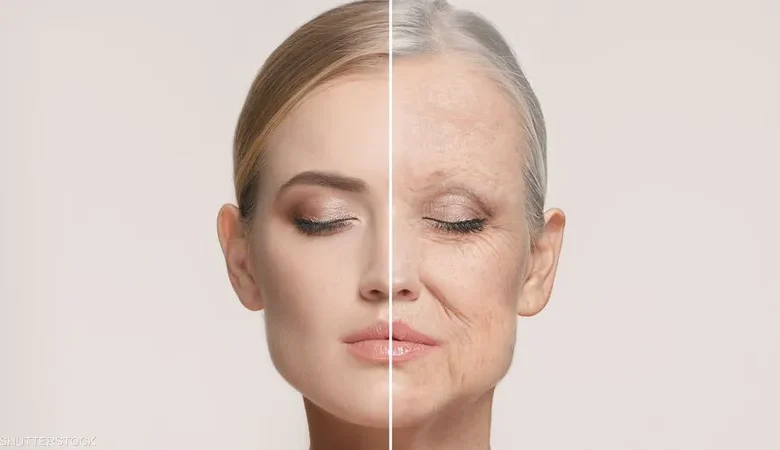
Chronological age versus biological age
The age shown on an identity document does not always reflect the true condition of the body.
Researchers now distinguish between two important concepts.
Chronological age refers simply to the number of years a person has lived.
Biological age, on the other hand, reflects the actual functional state of cells, tissues, and organs.
As a result, two individuals of the same chronological age may display dramatically different levels of biological aging. One may possess the physiological characteristics of a much younger person, while the other may already show signs of accelerated decline.
Modern blood analyses are increasingly capable of measuring these differences.
Blood as a mirror of overall health
Blood carries far more than oxygen and nutrients throughout the body.
It also contains valuable information about biological function.
Thanks to advances in biomedical technology, scientists can now measure:
- inflammatory proteins;
- metabolic markers;
- indicators of oxidative stress;
- immune-related molecules;
- by-products associated with cellular aging.
Together, these measurements provide a detailed picture of an individual’s biological condition.
Several recent studies suggest that some of these markers are becoming less favorable among people born in recent decades.
A growing burden of chronic inflammation
One of the most significant observations involves low-grade chronic inflammation.
Unlike acute inflammation triggered by infection or injury, chronic inflammation persists quietly over long periods.
Researchers believe it may play a central role in numerous age-related conditions, including:
- cardiovascular disease;
- type 2 diabetes;
- certain cancers;
- neurodegenerative disorders;
- metabolic diseases.
Blood analyses have revealed that inflammatory markers often appear at elevated levels in relatively young adults compared with previous generations.
The impact of modern lifestyles
Potential acceleration of biological aging cannot be understood without examining major lifestyle changes that have occurred over recent decades.
Several factors have shifted dramatically:
- increased sedentary behavior;
- greater consumption of ultra-processed foods;
- reduced sleep duration;
- prolonged screen exposure;
- higher levels of chronic stress;
- lower levels of daily physical activity.
Each of these factors influences biological pathways involved in aging.
When combined over many years, their cumulative effects may become substantial.
Oxidative stress and cellular wear
Oxidative stress remains one of the most extensively studied mechanisms of aging.
It occurs when the production of free radicals exceeds the body’s antioxidant defenses.
Over time, this imbalance may damage:
- cellular membranes;
- proteins;
- DNA;
- mitochondria.
Certain blood tests reveal elevated signs of oxidative stress even among younger individuals, suggesting the possibility of premature biological wear and tear.
The aging immune system
Aging affects far more than muscles and visible organs.
The immune system also undergoes progressive changes.
Scientists often refer to this process as immunosenescence.
As biological age increases, immune defenses become less efficient and more prone to generating excessive inflammatory responses.
Some studies suggest that these changes may now be appearing earlier in certain populations and can be detected through specific blood markers.
Obesity and metabolic dysfunction
Researchers also emphasize the major influence of obesity and metabolic disturbances.
Excess body fat is now recognized as a biologically active tissue capable of producing inflammatory substances.
This contributes to:
- insulin resistance;
- chronic inflammation;
- cardiovascular disease;
- accelerated cellular aging.
Many blood-based changes become detectable long before visible symptoms develop.
Potential consequences for future health
If these findings continue to be confirmed, they may have significant implications for healthcare systems worldwide.
More rapid biological aging could contribute to:
- earlier onset of chronic diseases;
- increased medical needs;
- reduced quality of life;
- higher healthcare expenditures.
Nevertheless, scientists stress that these trends are not necessarily irreversible.
Can biological aging be slowed?
Research consistently shows that several lifestyle habits can positively influence biological aging markers.
Among the most frequently recommended strategies are:
- regular physical activity;
- a diet rich in fruits and vegetables;
- adequate sleep;
- effective stress management;
- smoking cessation;
- moderation in alcohol consumption.
These behaviors appear capable of improving blood-based indicators of health and slowing biological decline.
New horizons in preventive medicine
The study of aging biomarkers is opening exciting possibilities for preventive healthcare.
Rather than waiting for diseases to appear, physicians may eventually identify individuals experiencing accelerated aging at much earlier stages.
Such an approach could allow personalized interventions before significant damage occurs.
Advances in molecular biology, biotechnology, and artificial intelligence are expected to accelerate the development of these tools in the coming years.
A hopeful message despite the concerns
Although some evidence points toward accelerated biological aging among modern generations, researchers emphasize that this is not an inevitable outcome.
Aging results from a complex interaction between genetics, environment, and lifestyle.
While environmental factors may contribute to accelerated biological processes, they are also among the most modifiable influences.
This reality provides important opportunities for prevention and positive change.
Conclusion
Changes observed in blood-based biomarkers suggest that modern generations may be experiencing signs of biological aging earlier than previous generations. Chronic inflammation, oxidative stress, metabolic dysfunction, and immune system alterations appear to play central roles in this phenomenon. Although further research is needed, these findings highlight the growing importance of lifestyle factors in determining long-term health outcomes. More than ever, biological analyses demonstrate that the true age of the human body depends not only on the years that have passed but also on the choices made throughout life.