Doubts over the ability of U.S. sanctions to curb Iranian militias
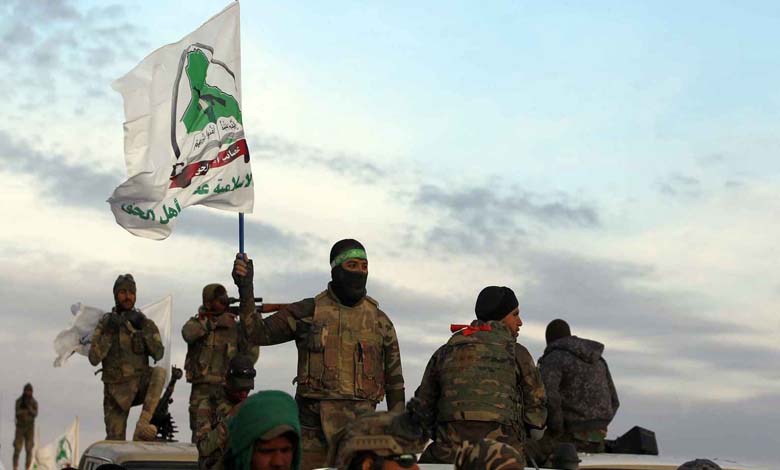
The growing political influence of armed factions has left the Iraqi state caught between Tehran and Washington.
The United States’ decision to suspend a shipment of U.S. dollars to Iraq and to freeze security cooperation programs with Baghdad has sparked mixed reactions. Some view it as a threat to the continuity of the Iraqi government, while others see its impact as limited in the effort to pressure Iran-backed groups.
The Washington Post linked the U.S. move to Washington’s pressure for the appointment of a new prime minister who would work to dismantle factions allied with Iran. The United States Department of the Treasury froze the transfer of approximately $500 million from accounts held at the Federal Reserve Bank of New York, representing proceeds from Iraqi oil sales.
This is the second cash shipment to Iraq suspended by Washington since the start of the U.S. military operation against Iran. U.S. authorities also froze funding for several training programs for Iraqi military units and counterterrorism units.
The newspaper reported that the suspension of part of the oil revenue transfers to the Iraqi government comes amid growing anger in Washington over the actions of Iran-aligned factions and their campaign to influence the selection of Iraq’s next prime minister.
According to two sources cited by the paper, the move reflects the widening diplomatic rift between Washington and Baghdad amid the U.S. war in Iran. Several Iraqi officials noted that the halt affects only part of the Iraqi funds regularly transferred from the United States, adding that a senior official estimates that physical cash deliveries, flown to Iraq every few months, account for about 5 percent of the total.
The paper stated that this suspension has caused confusion within the government in Baghdad, as officials grow increasingly concerned about the extent of the influence of the administration of Donald Trump over Iraqi oil revenues, which constitute the vast majority of the country’s income. Regular injections of U.S. dollars are used to support the Iraqi dinar.
Some Iraqi officials fear catastrophic repercussions for the already fragile Iraqi economy if the crisis is not resolved soon. An Iraqi diplomat said, “They know that dollar shipments are Iraq’s only gateway to foreign currency. If they stop, the Iraqi government will collapse.”
However, the Iraqi prime minister’s financial adviser, Mazhar Mohammed Saleh, downplayed the seriousness of the situation, stating that the majority of dollar flows continue through official banking channels.
According to the report, Iraq does not suffer from a shortage of foreign currency, but the increasing political influence of armed factions has left the Iraqi state torn between Tehran and Washington.
Despite long-standing concerns in Washington about the use of dollars sent to Iraq by Iran and its allies, former U.S. deputy assistant secretary of state for Iraq and Iran affairs Victoria Taylor said that dollar deliveries had been halted only once before, in 2015, at the height of the fight against the Islamic State.
The spokesperson for the United States Department of State, Tommy Pigott, stated that “the United States will not tolerate attacks on its interests and expects the Iraqi government to immediately take all necessary measures to dismantle pro-Iranian factions in Iraq.”
This impasse coincides with efforts by the “Coordination Framework” to select a new candidate for prime minister. It is unclear whom the Trump administration prefers over former prime minister Nouri al-Maliki. Two individuals familiar with discussions between the United States and Iraq indicated that the Trump administration supported Mohammed Shia al-Sudani, while warning against granting him a second term.
Although the Trump administration is pressuring Iraq to dismantle Iran-aligned factions, some Iraqi officials fear that such a move could push the country toward civil war.
The report quoted Victoria Taylor as saying, “Iraqi factions have continued to entrench themselves within state institutions over the decades. As we have seen during this war, it is extremely difficult for the Iraqi government and legitimate security forces to take action against them.”