Everyday Foods That May Support Hormonal Balance in Men
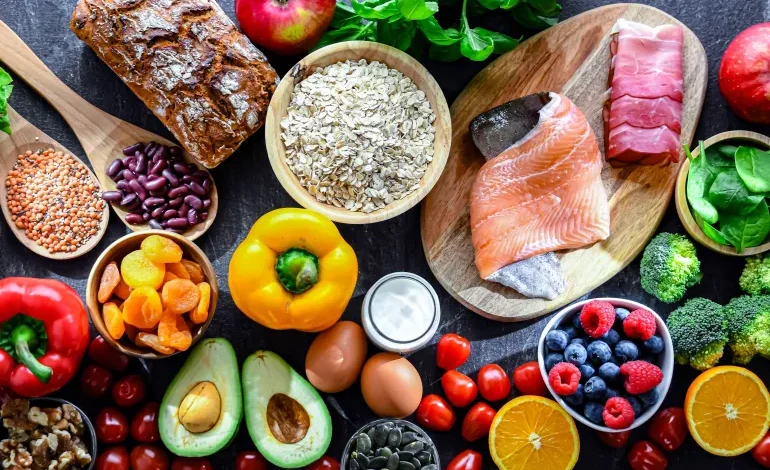
Hormones play a vital role in many aspects of male health, including muscle mass, bone health, sperm production, libido, mood, metabolism, and energy regulation. Hormonal balance is influenced by numerous factors, including age, sleep, physical activity, stress, body weight, and, importantly, diet.
No single food can “rebalance” hormones or permanently increase testosterone in a man whose hormone levels are already normal. However, a varied and nutrient-rich diet can support normal endocrine function and provide the vitamins, minerals, proteins, and healthy fats needed for hormone production and regulation.
Eggs
Eggs are a valuable source of high-quality protein and provide several important nutrients, including vitamin D, selenium, and choline. Protein is essential for maintaining muscle mass, while these micronutrients contribute to numerous metabolic processes.
Eggs can therefore be easily incorporated into a balanced diet, whether at breakfast or as part of a meal containing vegetables and whole grains.
Fatty fish
Salmon, sardines, mackerel, and other oily fish are particularly valuable because they provide omega-3 fatty acids and, in some cases, vitamin D. Omega-3 fatty acids support normal cardiovascular and nervous-system function and can contribute to an overall diet that promotes metabolic health.
Fish also provides high-quality protein, making it particularly useful for men who exercise regularly.
Nuts and seeds
Almonds, walnuts, pumpkin seeds, chia seeds, and flaxseeds provide unsaturated fats, fiber, and various minerals. Pumpkin seeds are particularly notable for their zinc content. Zinc is involved in numerous biological functions, including normal reproductive function.
Zinc is essential, but this does not mean that taking large amounts of zinc supplements automatically increases testosterone. In men who are not deficient, excessive supplementation is unlikely to provide additional hormonal benefits.
Leafy green vegetables
Spinach, kale, arugula, and other leafy greens provide magnesium, folate, fiber, and a variety of plant compounds. Magnesium is involved in more than 300 biochemical reactions in the body and contributes to normal muscle and nervous-system function.
A diet rich in vegetables can also help provide essential micronutrients while supporting a healthy body weight, which is itself relevant to hormonal health.
Legumes
Lentils, chickpeas, beans, and peas provide plant-based protein, fiber, magnesium, folate, and other nutrients. They can contribute to better metabolic health and help make meals more filling.
Maintaining good metabolic health is particularly important because excess body weight and certain metabolic disorders may be associated with changes in male hormonal function.
Seafood
Oysters and certain other seafood are excellent sources of zinc. This mineral contributes to normal immune function, DNA synthesis, and reproductive health.
Adequate zinc intake is therefore important, but high-dose supplements should not be used without a clear reason. Long-term excessive zinc intake can interfere with copper absorption and lead to other nutritional problems.
Avocado
Avocados provide predominantly monounsaturated fats, along with fiber and several micronutrients. Healthy fats are essential for normal body function and should be part of a balanced diet.
The goal is therefore not to eliminate dietary fat in an attempt to protect hormonal health, but rather to favor unsaturated fat sources while limiting trans fats and excessive saturated fat.
Dairy products
Milk, plain yogurt, and certain cheeses provide protein, calcium, and, depending on the product, vitamin D. These nutrients are important for maintaining healthy bones and muscles.
Choosing products with little or no added sugar can also help prevent excessive intake of added sugars.
Berries
Strawberries, blueberries, raspberries, and other berries are rich in fiber and plant compounds, particularly polyphenols. They can contribute to a diet rich in antioxidant compounds and supportive of cardiovascular and metabolic health.
They can also be a nutritious alternative to desserts containing large amounts of added sugar.
Olive oil
Extra-virgin olive oil is an important source of monounsaturated fat and phenolic compounds. It is one of the main dietary fats in the Mediterranean diet, a dietary pattern associated with numerous cardiovascular and metabolic health benefits.
It can be used to dress salads, vegetables, legumes, and other dishes, while keeping portions in mind because olive oil remains calorie-dense.
Lifestyle matters too
Diet is only one part of hormonal health. Sleep is particularly important because chronic sleep deprivation can affect several hormonal systems. Regular physical activity, especially resistance training, also supports muscle mass and metabolic health.
Chronic stress, excessive alcohol consumption, smoking, and excess body fat may also influence hormonal function.
Persistent loss of libido, unexplained fatigue, reduced muscle strength, erectile difficulties, or other significant changes should not automatically be attributed to diet or aging. These symptoms can have many causes and may warrant medical evaluation, including hormone testing when considered appropriate by a healthcare professional.
Overall, there is no miracle food that can permanently boost or “balance” male hormones. Eggs, fatty fish, nuts and seeds, leafy greens, legumes, seafood, avocado, dairy products, berries, and olive oil can nevertheless contribute valuable nutrients that support normal physiological function. Combined with adequate sleep, regular physical activity, and a balanced lifestyle, a nutrient-rich diet is one of the most effective nutritional approaches for supporting men’s hormonal health.