Hezbollah and Iran’s war: Lebanon fears the cost of supporting Tehran
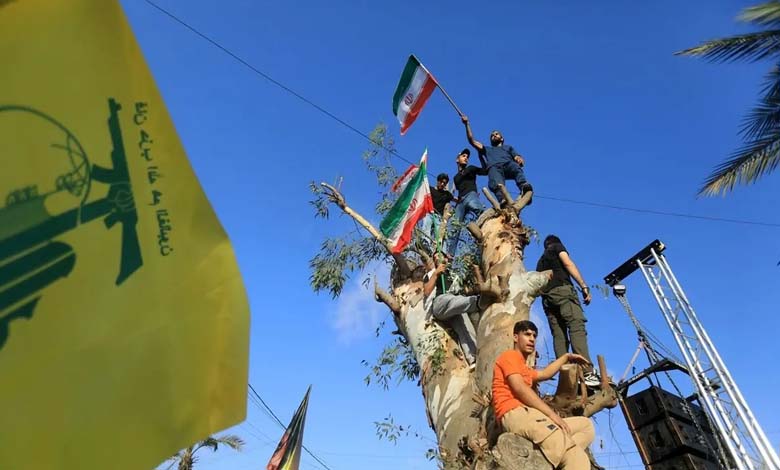
Lebanon fears that Israel may target its infrastructure in the event of escalation with Iran and if Hezbollah intervenes in support of its ally.
In Beirut, concerns are mounting that Israel, a U.S. ally, could launch strikes against Lebanese infrastructure should tensions between Tehran and Washington intensify, Foreign Minister Youssef Rajji said on Tuesday, in the event that Hezbollah intervenes to back Iran.
-
French Newspaper: Hezbollah and Iran avoid expanding the war to avoid losses
-
The Arab Coalition shows footage of the involvement of Hezbollah and Iran in Yemen war
Recently, Israel has stepped up its strikes against Hezbollah in Lebanon, despite a ceasefire that has been in effect between the two sides for more than a year, following a devastating war during which the group sustained heavy losses in both its arsenal and leadership structure.
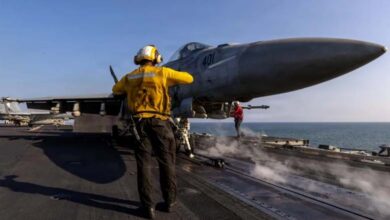
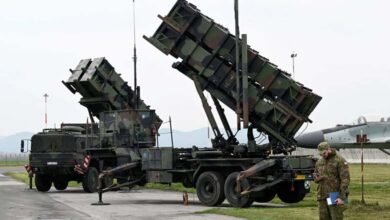
As Washington strengthens its military presence in the Middle East, Iran has warned that it would respond “forcefully” to any attack against it and that such an act could trigger a “regional war.”
-
A base for Iran and Hezbollah… A new accusation from Washington against Venezuela
-
Israel strikes Hamas, Hezbollah, and Houthi “weapons supply line” in Iran… Who is Behnam Shahriari?
Diplomatic efforts
Rajji told media outlets in Geneva on Tuesday, including Agence France-Presse: “There are indications that the Israelis could strike hard in the event of escalation, including potential strikes against strategic infrastructure such as the airport.”
On the sidelines of his participation in a session of the United Nations Human Rights Council, he added: “We are currently undertaking diplomatic efforts to request that Lebanese civilian infrastructure not be targeted, even in the event of reactions or retaliatory operations.”
Rajji reiterated the position of the Lebanese authorities, expressed by Prime Minister Nawaf Salam, that “this war does not concern us,” referring to a possible U.S.-Iran confrontation.
-
Will Iran Abandon Hezbollah for Its Regional Interests?
-
Can Hezbollah stand up to Israel? Iranian President expresses doubts
A Lebanese official, speaking anonymously on Tuesday, said: “What the Lebanese fear is a chain reaction: a U.S. strike against Iran, followed by a Hezbollah response against Israel, and then a large-scale Israeli retaliation.”
Lebanese infrastructure was largely spared during the conflict that lasted from October 2023 until the ceasefire took effect on November 27, 2024.
Nevertheless, Israel continues to carry out strikes, particularly in southern Lebanon, stating that their objective is to prevent Hezbollah from rebuilding its military capabilities.
-
Washington Post reveals how Lebanese pay the price for Iranian threats and ongoing Hezbollah-Israel clashes
-
Leaks from the Secret Meeting: Iran Refuses to Support Hezbollah and its Iraqi Militias Against Israel
On Friday, the group announced the deaths of eight of its members, including a military commander, as a result of Israeli airstrikes in eastern Lebanon.
The Israeli army confirmed that it had targeted members of Hezbollah’s missile unit at three sites in the Baalbek area, stating that they had recently been working to “accelerate armament and readiness phases” and were planning to launch attacks toward Israeli territory.
Israeli gunfire
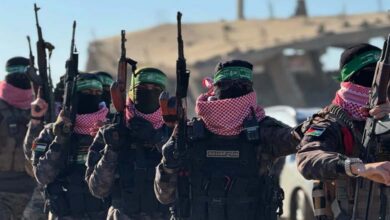
Hezbollah Secretary-General Naim Qassem said last month that his party would be affected by any attack on Iran, adding: “We will decide at that time how to act, whether to intervene or not… but we are not neutral.”
-
Secretive: Is Iran Training Hezbollah in Qom, Iran and Why?
-
Iran plays the role coordination game between Hamas, Hezbollah, and Islamic Jihad
Washington ordered the evacuation of non-essential personnel from its embassy in Beirut on a “temporary” basis, a U.S. official told Agence France-Presse on Monday, amid potential escalation with Iran.
In addition to continuing its strikes, Israel has maintained forces on five hills in border areas of southern Lebanon, from which Beirut is demanding their withdrawal under the existing agreement.
On Tuesday, the Lebanese army accused Israeli forces of opening fire near a newly established border position.
-
Washington sends messages to Iran and Hezbollah via Turkey… Details
-
Fears of Iran Exploiting the Syrian Earthquake… and sending weapons to Hezbollah under the cover of international aid
In a statement, it said: “While the army was establishing an observation point along the southern border in the Sarda–Marjayoun area, the vicinity of the point came under fire from the Israeli side, coinciding with the low-altitude flight of an Israeli drone issuing threats aimed at forcing personnel to withdraw.”
It added that its command had issued “orders to reinforce the position, remain there, and respond to the sources of fire,” noting that the matter was being followed up “in coordination with the committee supervising the cessation of hostilities agreement and the United Nations Interim Force in Lebanon.”
This committee, comprising the United States, France, Lebanon, Israel, and the United Nations, is scheduled to hold a meeting on Wednesday limited to military representatives.
-
How will the Iranian nuclear deal increase the arsenal and power of Lebanese Hezbollah?
-
To provide alternatives to Iranian support, Hezbollah expands its drug and weapons smuggling activities
Meeting in Cairo
Meanwhile, Cairo hosted on Tuesday a preparatory meeting for a conference organized by the five-member committee supporting Lebanon — consisting of France, the United States, Saudi Arabia, Qatar, and Egypt — set to take place in Paris on March 5.
The conference will focus on supporting the Lebanese Armed Forces, amid U.S. and Israeli pressure to accelerate the disarmament process of Hezbollah, which was approved by the Lebanese government after the war.
Egyptian Foreign Minister Badr Abdelatty stressed in a statement following the Cairo meeting that “the ultimate objective of this initiative is to enable the Lebanese state to ensure the exclusive control of weapons in the hands of the state.”
-
US analyst reveals Iran’s plans to serve the interests of Hezbollah and the Houthis to sabotage the region
-
An estimated $25 million – Hezbollah asks Iran for huge financial support to its candidates and allies
The conference was the main focus of the visit by French Foreign Minister Jean-Noël Barrot to Beirut on February 6.
A diplomatic source told Agence France-Presse at the time that the conference aims to “provide the Lebanese army with the necessary means to guarantee the sovereignty of the Lebanese state and move toward restricting weapons to the hands of the Lebanese state alone.”
Last August, the Lebanese government approved a plan to confine weapons to official forces and tasked the army with implementing it. Hezbollah rejected the plan, affirming its commitment to retaining its arms.
-
US imposed sanctions on Iranian ambassador to Iraq, and two senior Hezbollah officials
-
The volcano of Hezbollah’s internal conflicts spews its lava: Wafiq Safa exposes what was hidden
Lebanon has received pledges of support for its armed forces, which face shortages in equipment, personnel, and technical capabilities required to carry out their missions.
In recent months, the army, with limited resources, has dismantled facilities and tunnels belonging to Hezbollah and seized weapons, announcing the completion of these operations in the area south of the Litani River, which extends thirty kilometers along the border with Israel.
However, Israel has questioned the army’s measures, describing them as “insufficient,” and has stated that it will continue acting to prevent Hezbollah from rebuilding its capabilities and military arsenal.
The army intends to begin implementing the second phase of the plan in the area north of the Litani. It presented the plan to the government last week, which indicated that it would require four months, subject to extension, to complete.
-
The Lebanese army commander at the Pentagon: have the autumn doubts faded?
-
A US senator cuts short his meeting with the Lebanese army chief over Hezbollah
-
Hezbollah souvenirs in an Aladdin’s cave: Iranian influence under scrutiny in a British investigation