The catastrophe of Kutum deepens Darfur’s wounds: a drone strike raises questions about rules of engagement and civilian protection
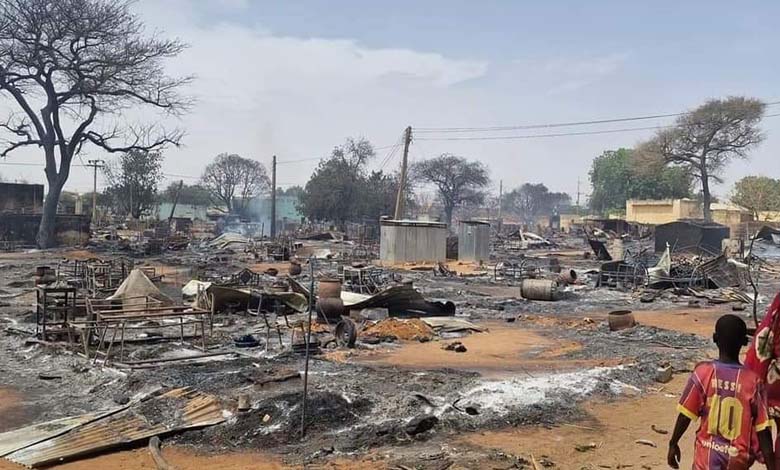
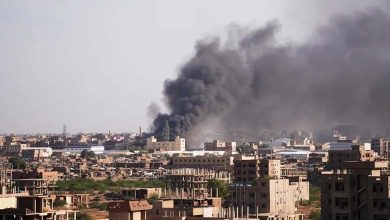
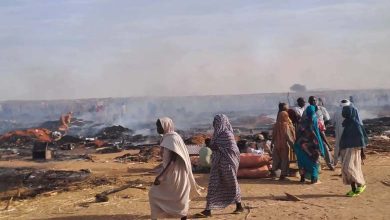
In a serious field development reflecting the escalation of violence in the Darfur region, the town of Kutum in North Darfur witnessed, on the evening of April 8, 2026, an aerial drone strike targeting the Al-Salama neighborhood, resulting in the deaths of at least 30 civilians, according to statements from local sources and residents’ testimonies. Information indicates that the strike occurred during a social gathering at a wedding ceremony, which explains the high number of casualties within a short time, particularly among women and children.
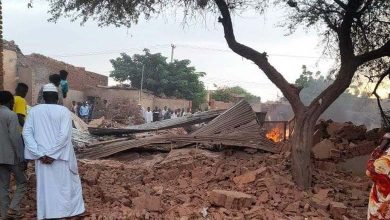
Field accounts indicate that the explosion was severe and caused extensive damage to nearby homes, while the injured suffered delays in receiving medical care due to the limited healthcare capacity in the area. Witnesses also confirmed that rescue operations were carried out using rudimentary means, in the absence of sufficient ambulances, which worsened the human toll.
No detailed official account has yet been issued by the relevant authorities to clarify the nature of the target or explain the reasons for the bombardment in a densely populated residential area. In this context of ambiguity, questions are increasing regarding adherence to rules of engagement, particularly those related to civilian protection and the avoidance of targeting non-military gatherings.
This incident comes amid escalating military operations in Darfur, where several areas are experiencing repeated clashes and an increase in aerial attacks. Observers believe that this pattern of operations reflects a shift in the nature of the conflict, marked by increased reliance on drones, which introduces additional challenges related to targeting accuracy and the possibility of catastrophic errors.
The incident has also prompted strong reactions from human rights organizations, which have called for an independent and transparent investigation to determine responsibility. These organizations stressed that targeting a civilian gathering during a social event constitutes a serious violation of international humanitarian law, which obliges parties to the conflict to take all possible precautions to avoid harming civilians.
On the humanitarian level, this incident further complicates the situation in North Darfur, where residents already suffer from a severe shortage of basic services, including healthcare, water, and food. Estimates indicate that the continuation of such attacks could trigger new waves of displacement, particularly amid insecurity affecting both rural and urban areas.
Analysts believe that the absence of accountability in such incidents is a key factor in their recurrence, as it undermines trust in institutions and increases the population’s sense of insecurity. They also warn that the continuation of this trajectory could lead to further deterioration in the security situation, with repercussions that may extend to other regions.
This incident highlights the urgent need to strengthen mechanisms for civilian protection, whether through local measures or international interventions. It also underscores the necessity of reassessing military operational strategies to minimize civilian casualties.
In conclusion, the catastrophe of Kutum represents a new indicator of the severity of the situation in Darfur and raises fundamental questions about the future of the conflict and the possibility of containing it amid ongoing escalation.