Can Video Games Enhance Children’s Intelligence More Than Social Media?
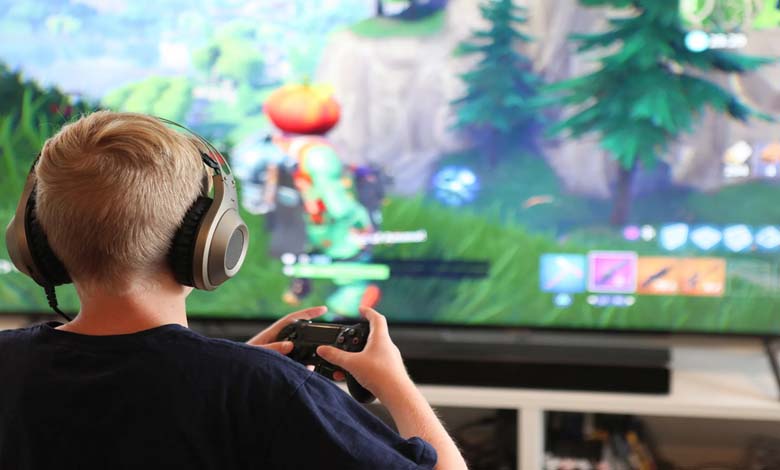
In the digital age, screens occupy a central place in the lives of children and adolescents. Long considered merely a source of harmful distraction, video games are now undergoing a gradual reassessment by researchers in cognitive sciences and developmental psychology. At the same time, the rise of social media has profoundly transformed modes of communication and socialization, while raising numerous concerns about their effects on concentration, self-esteem, and intellectual development. In this context, a relevant question arises: can video games truly enhance children’s intelligence more than social media?
-
Study: Teenagers’ Excessive Video Game Use Raises Anxiety Disorders
-
10 Essential Tips for Ensuring Your Child’s Safety on Gaming Platforms
To answer this question, it is essential to distinguish between different uses and types of content. Video games do not constitute a homogeneous whole. Some are purely recreational and make few cognitive demands, while others strongly engage memory, logic, strategic planning, and visuospatial coordination. Strategy games, puzzles, simulations, and problem-solving games, for example, require players to analyze complex situations, anticipate the consequences of their choices, and adapt their decisions in real time. This type of activity fosters the development of executive functions essential to intelligence, such as sustained attention, mental flexibility, and problem-solving skills.
Several studies have shown that moderate practice of certain video games improves visuospatial abilities, processing speed, and working memory. These skills are directly linked to academic success, particularly in scientific and mathematical subjects. Moreover, cooperative games encourage communication, conflict management, and collective decision-making, thereby strengthening forms of social and emotional intelligence.
-
Roblox Gives Parents New Features to Control Their Children’s Activity
-
What Is the Psychological Reason Behind Children’s Addiction to Minecraft?
By contrast, social media mainly relies on passive consumption of content and on the search for social validation through likes, comments, and follower counts. This functioning may promote constant social comparison, sometimes at the expense of concentration and cognitive depth. Interactions are often brief, fragmented, and emotionally charged, which limits the development of critical thinking and in-depth analysis.
Numerous studies suggest that prolonged exposure to social media is associated with decreased attention span, increased anxiety, and weakened self-esteem in children and adolescents. These psychological effects can indirectly hinder learning and intellectual development. Conversely, well-chosen video games, practiced within a structured framework, can become genuine educational tools capable of stimulating curiosity, perseverance, and a taste for mental effort.
-
“Concerning” Effects of Electronic Devices on Children’s Mental Health
-
The little genius… speaks 7 languages at the age of four
However, it would be reductive to idealize video games without nuance. Excessive practice, even of cognitively stimulating games, can lead to sedentary behavior, sleep disturbances, and social isolation. Likewise, some violent or highly repetitive games offer little intellectual benefit. The issue, therefore, is not to promote video games against social media, but to reflect on the quality of content and the time devoted to it.
The role of parents and educators is fundamental in this respect. Guiding children in the choice of games suited to their age and abilities, limiting time spent on social platforms, and encouraging a diversity of activities including reading, sports, and real-life interactions helps create an environment conducive to the harmonious development of intelligence.
-
Saudi Arabia Plans to Build the World’s First Dragon Ball Theme Park
-
One Piece: from manga to cinema
In conclusion, video games, when chosen wisely and practiced in moderation, can indeed contribute more to children’s intellectual development than social media by actively stimulating their cognitive capacities, creativity, and strategic thinking. However, neither video games nor social media can replace the fundamental educational experiences of real life. Intelligence is built through balance, diversity, and the quality of interactions, whether digital or not.
-
Does blue light affect children’s sleep? A scientific analysis of its real impact
-
Triple-Folding Screen: The Future of Innovation in Mobile Phones