Rached Ghannouchi’s message to his supporters from prison: a mobilization without resonance
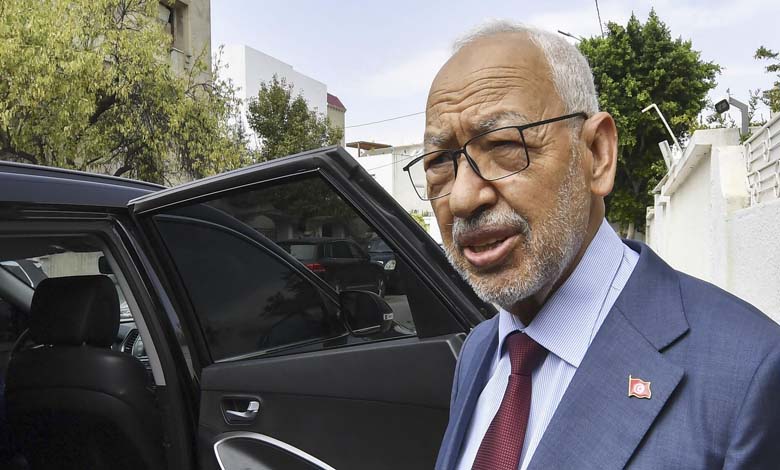
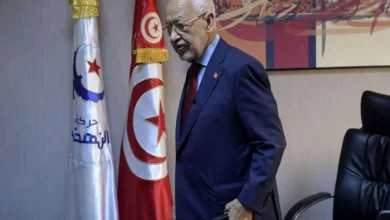
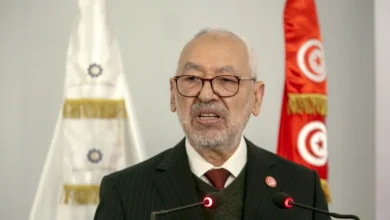
In an attempt to break his isolation, the leader of Tunisia’s Ennahdha movement, Rached Ghannouchi, sent a message from prison to members of the movement, urging them to close ranks.
Titled “A Letter to the Youth of the Movement” and published on his official Facebook page, Ghannouchi’s message was seen as an attempt to revive a narrative of victimhood that many observers consider to have lost its impact.
-
Conspiracy 2 in Tunisia: heavy sentences handed down against Ghannouchi and prominent Muslim Brotherhood figures
-
Tunisian Muslim Brotherhood and the ban: Ghannouchi’s rulings set the final stone in motion
According to analysts, this letter — the second he has issued from prison — appears to be an effort to find a pathway toward his release after attempts to exert pressure through street mobilization reached a dead end.
On April 17, 2023, Tunisian authorities arrested Rached Ghannouchi, leader of Ennahdha, on charges including “conspiracy against state security, deliberate attempt to alter the nature of the state, inciting citizens to attack one another with weapons, and provoking disorder, killings, and looting.”
Observers believe that this latest message follows the same pattern, seeking to reignite political momentum after avenues of public mobilization proved ineffective.
-
The Ghannouchi Hunger Strike: A Desperate Attempt to Salvage What Remains of Tunisia’s Muslim Brotherhood
-
Ghannouchi Continues to Hide Behind His Absence as Tunisian Judiciary Moves Forward
A signal to his supporters
Tunisian political activist Khaled Balthaher said that Ghannouchi’s continued messages serve as a coded signal to his supporters to initiate unrest in the country.
He argued that Ghannouchi is attempting to rally the street by appealing to the emotions of his followers, noting that Ennahdha is aware that its popularity has waned and is therefore relying on this strategy to activate segments of its base, although its chances of success are minimal.
-
Rached Ghannouchi Rejects Remote Trial Appearance: Conspiracy 2 Case Shakes the Muslim Brotherhood in Tunisia
-
Second Conspiracy Case: Ghannouchi Boycotts First Hearing
In his view, the letter represents a further escalation that could open new fronts of tension between the authorities and the Muslim Brotherhood-affiliated movement, which seeks to portray itself as a victim.
So far, the total prison sentences handed down to Ghannouchi across the various cases in which he has been convicted amount to 45 years: 14 years in the case known as “Conspiracy against State Security 2,” 22 years in the intelligence-related case known as “Instalingo,” 5 years in the foreign funding case referred to as “lobbying,” 1 year for glorifying terrorism, and 3 years in another foreign funding case.
-
Planned a Chaos Plot with Ghannouchi’s Son: Former Tunisian Presidential Candidate Sentenced to 5 Years in Prison
-
Tunisia: Rached Ghannouchi refuses to appear before the judiciary in a money laundering case
-
Including Ghannouchi: 21 Muslim Brotherhood Members Referred to Terrorism Court for “Coup Plot”
-
Ghannouchi referred for investigation in the case of the Muslim Brotherhood’s secret apparatus: Details
-
Tunisia’s Brotherhood: Court Upholds Ghannouchi’s One-Year Prison Sentence for “Tyrants”