The failure of protests drives the Muslim Brotherhood toward a return illusions conference
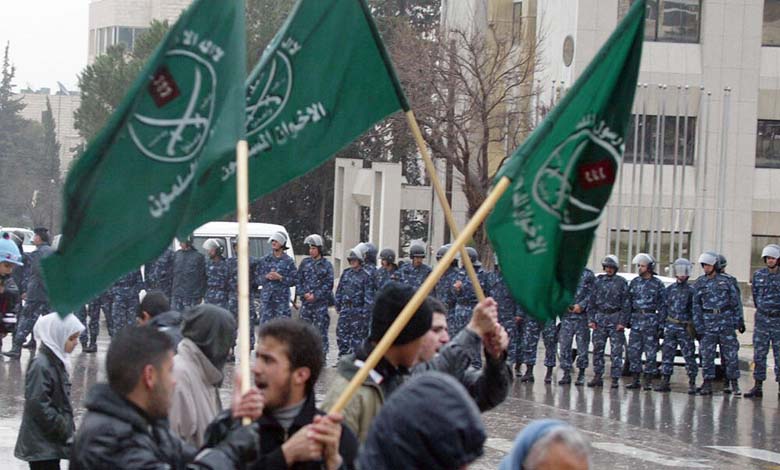
Amid successive setbacks and mounting pressure, the Muslim Brotherhood is reviving new narratives aimed at resurrecting long-faded hopes.
After failing to organize protests, the group—designated as a terrorist organization in many countries worldwide—has once again resorted to the same illusion-based rhetoric it has used for decades with its supporters.
-
The slow dissolution… How is the risk of the Muslim Brotherhood infiltrating the heart of Europe?
-
The Muslim Brotherhood capitalizes on regional crises: a tactical return through shadow networks and the internal dismantling of states
Daydreams replacing reality
This time, the group has turned to promoting so-called “dream visions” suggesting a return to the political scene, using them as a symbolic cover for its political discourse, in an attempt to revive old narratives based more on hope than reality.
The latest of these claims comes from Brotherhood-affiliated journalist Ahmed Abdelaziz and several leaders of the “Midan” movement, the Brotherhood’s political arm, who claim they have seen in dreams the “return of the group to political life”.
Based on this mindset rooted in past narratives, and relying on a dream reported by Ahmed Abdelaziz, former adviser to the late President Mohamed Morsi, the “Midan” movement began preparing what it calls the “first national conference”, dedicated to these illusions of return.
-
French judiciary convicts the grandson of the Muslim Brotherhood’s founder: 18 years in prison for rape
-
Dissident Muslim Brotherhood Leader: International Pressure May Push Britain to Reconsider Its Stance
On the 8th of the month, several movements linked to the Muslim Brotherhood announced the launch of this conference, inviting experts, academics, and researchers close to the group to participate.
As this promotion of “visions” expands, these entities are attempting to transform individual dreams into a supposed political pathway, despite the absence of any real foundation.
According to organizers, the conference brings together several Brotherhood-linked entities in an attempt to project diversity and reach.
However, most of these entities are unlicensed or based abroad, reflecting continued reliance on parallel platforms lacking any real presence on the ground.
-
Through the door of a psychiatric hospital… the grandson of the Muslim Brotherhood’s founder evades a rape trial
-
Have the Muslim Brotherhood turned into an organized crime network competing over money and influence?
Organizing entities include:
- the “Midan Movement”, chaired by Reda Fahmy
- the “Revolutionary Council”, led by Maha Azzam
- “Egypt Technocrats”, an unlicensed party headed by Mahmoud Wahba
- the “Hope for Egypt” party
- the Egyptian-American Relations Center
- the “Justice Matter” group
The conference had been in preparation for some time but was postponed due to reservations expressed by the host country.
-
A new international siege: how the Muslim Brotherhood is confronting a global wave of scrutiny and tightened funding
-
Muslim Brotherhood in Pakistan: a plan to topple the state and replicate the Bangladeshi chaos scenario
The same sources indicate that all these entities are linked to the Muslim Brotherhood, and that the “Generation Z” movement, run from the Netherlands by Anas Habib, is also expected to take part.
Egyptian actor Hisham Abdallah and his wife Ghada Naguib are also among the promoters.
According to the same sources, the idea of the conference emerged after the Muslim Brotherhood’s failure to organize protests outside Egyptian embassies abroad in January.
-
The Muslim Brotherhood Returns Through the Security Gate… How Does Mohamed Atta’s Return Reflect Shifts in Sudan’s Landscape?
-
The Year of Shadow and Retrenchment: How Mahmoud Ezzat Consolidated the Organizational State within the Muslim Brotherhood
Promotional campaign
Organizers also announced financial rewards for selected research papers, which, according to sources, reveals the group’s transformation into a “trade in illusions” structure.
A significant budget has reportedly been allocated to social media promotion and paid advertisements.
Internal divisions emerge
The withdrawal of several figures from these structures highlights the group’s fragmentation.
-
Broad European initiatives reveal the map of the Muslim Brotherhood’s presence across the continent and its funding sources
-
Muslim Brotherhood funds in Europe under scrutiny: examination of transfer methods
The resignation of Ihab Adeeb, deputy head of an unlicensed party, exposes internal power struggles.
Likewise, figures such as Yahya Moussa and Mohamed Montasser are said to have been instructed to stay out of the public eye.
Islamist movements expert Tarek Abdel Aal described the conference as a “ridiculous and meaningless initiative,” arguing that it is merely an attempt to mask the group’s failures.
-
Escalation of the U.S. Confrontation with the Muslim Brotherhood: Accelerated Legislative and Judicial Moves
-
The American classification guillotine… Has Washington written the death certificate of the Muslim Brotherhood of Lebanon?