Trump threatens to destroy Iranian vessels as Tehran vows retaliation
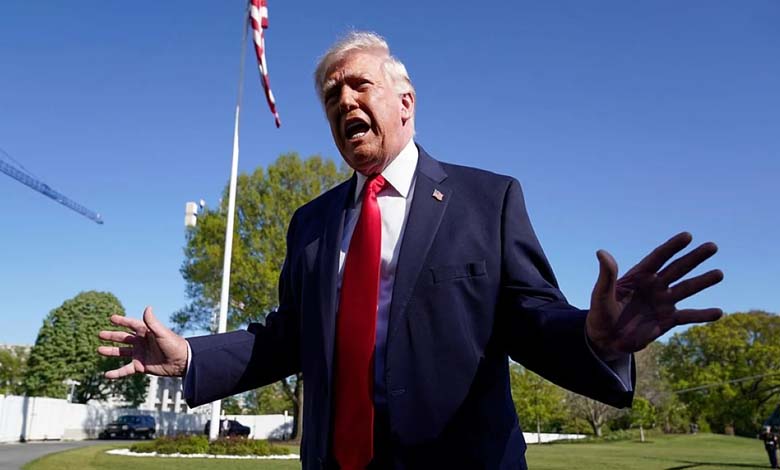
U.S. President Donald Trump stated that fast-attack boats belonging to the Islamic Revolutionary Guard Corps would be dealt with under a policy of “immediate neutralization.”
The conflict between the United States and Iran has entered an extremely dangerous phase after Donald Trump threatened to destroy any naval vessel attempting to break the maritime blockade imposed on the Islamic Republic. Tehran, in turn, raised the level of confrontation by threatening to undermine maritime security across the region and target regional ports, placing the world before the specter of a maritime “war of attrition” in one of the world’s most vital energy corridors, as diplomatic efforts in Pakistan stall and oil prices climb back above $100 per barrel.
-
Trump and Iranian nuclear fuel: a strategic move to decide the war
-
U.S. President Donald Trump threatened to destroy bridges and power stations in Iran
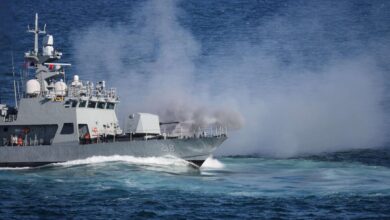
The U.S. president announced that the decision to control vessels entering and leaving Iran officially took effect at 14:00 GMT, claiming that Iran’s conventional naval force is now “destroyed” after weeks of confrontation.
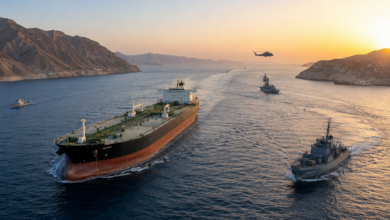
Trump warned that IRGC “fast-attack boats” would be subject to “immediate neutralization,” likening the operation to maritime campaigns against drug traffickers and describing it as “swift and merciless.”
The United States Central Command confirmed that the blockade would be applied “impartially” to vessels of all nations heading to and from Iranian ports, while pledging not to obstruct neutral transit through the Strait of Hormuz to non-Iranian destinations.
-
Trump and Iran: three military paths on the decision table
-
Trump and Iran: 4 Possible Scenarios, Including “Shock and Awe”
Trump emphasized that the objective is to curb Iran’s nuclear ambitions and seize fissile materials, stating: “Iran will never possess a nuclear weapon, whether a deal is reached or not.”
Tehran described the U.S. measures as illegal “international piracy,” warning of catastrophic consequences for regional maritime security. An Iranian military spokesperson said that “if Iranian ports are threatened, no port in the Gulf or the Gulf of Oman will remain safe.”
The Islamic Revolutionary Guard Corps stated that any approach by military vessels toward the Strait of Hormuz constitutes a violation of the fragile ceasefire, as two Iran-linked tankers (Aurora and New Future) were observed leaving the passage minutes before the blockade took effect.
-
War Objectives in Iran Portend Rift Between Trump and Netanyahu
-
Trump’s deadline enters its decisive hours… Iran under bombardment and warning about trains
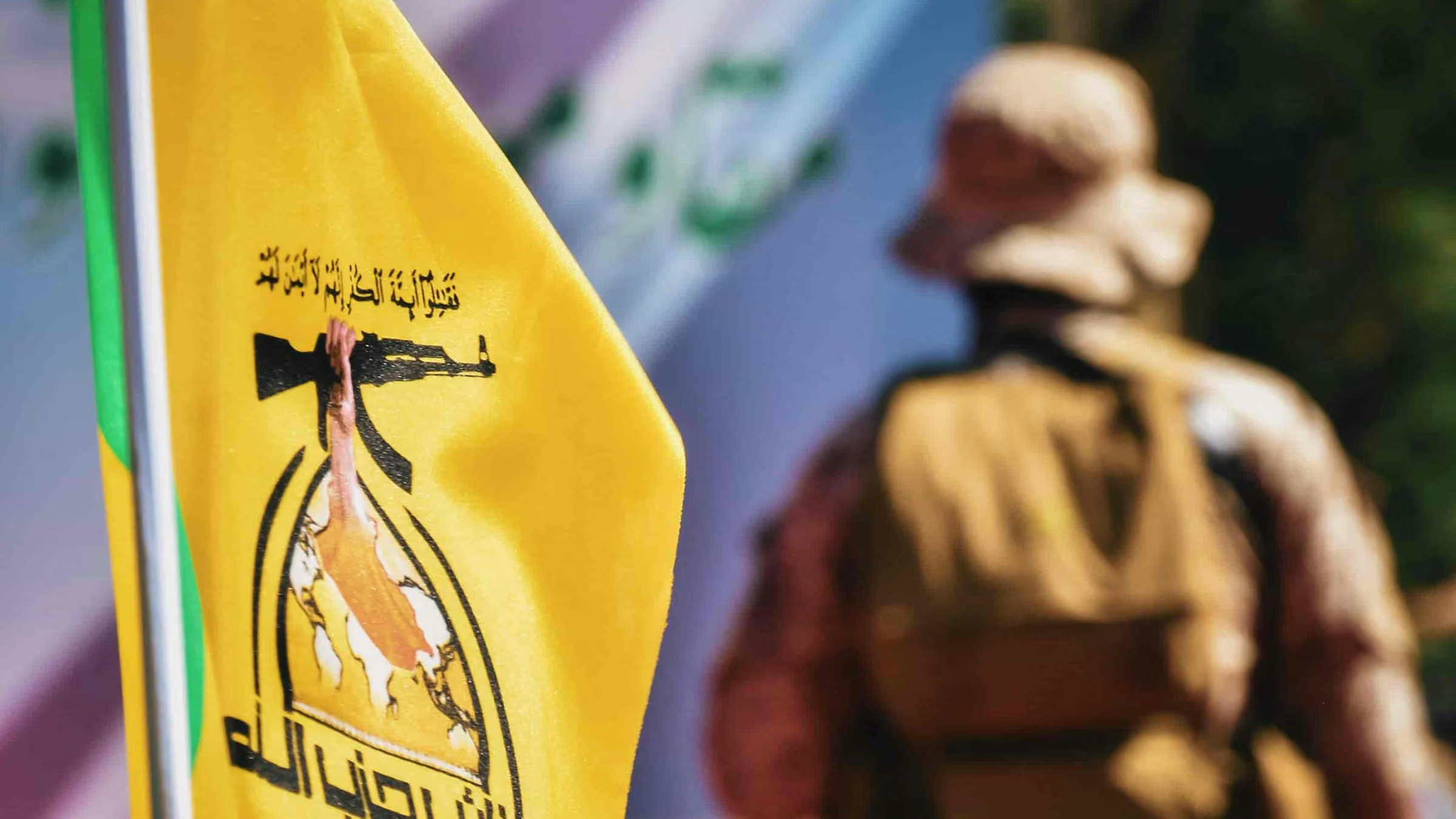
Despite talks hosted by Pakistan over the weekend, the gap between the two sides remains wide. Tehran insists that the ceasefire must include the Lebanese front and a full lifting of sanctions, while Israel continues operations against Hezbollah, including the attack on Bint Jbeil, which it considers outside the scope of de-escalation.
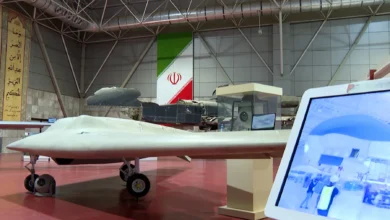
Despite Trump’s declaration of “victory,” facts indicate that Iran retains an arsenal of missiles and drones capable of destabilizing the situation, while its political leadership faces no organized internal opposition despite mounting pressure.
Iranian Foreign Minister Abbas Araghchi criticized what he described as the “rigidity and volatility” of U.S. positions, stating that “hostility breeds hostility.”
-
Iran protests put Trump to the test between escalation and dialogue
-
After Trump’s threats, Iran affirms readiness for war and dialogue
Economically, the maritime blockade aims to paralyze traffic linked to Iranian ports by preventing oil tankers from departing and obstructing cargo ships from entering. This effectively cripples oil exports, the main source of foreign currency, placing the Iranian economy under severe strain. It also disrupts supply chains, particularly for food, medicine, and industrial components, worsening inflation and living conditions.
Militarily, the blockade seeks to restrict Iran’s defensive maneuverability. By controlling maritime access points, it limits the flow of military equipment and technology, including air defense systems and drone components, and confines naval forces within a restricted geographical scope.
-
Iran Warns Trump Against Intervention and Draws the Red Line
-
Trump Announces Ceasefire Between Israel and Iran
Politically, the blockade serves as maximum pressure to push Iran into concessions on sensitive issues, including its nuclear program, uranium enrichment levels, ballistic missile development, and regional influence through its allies, reflecting a strategy of brinkmanship.
The repercussions extend beyond the two parties to the broader international system. Any escalation in the Gulf threatens global energy security, especially if Tehran attempts to disrupt navigation in the Strait of Hormuz. The blockade may also create friction with major powers such as China, which relies heavily on Iranian oil.
Legally, a maritime blockade is considered under international law to be an explicit act of war, marking a shift from political and economic pressure to direct military confrontation, increasing the risk of a broader conflict in an already fragile region.
-
Behind Trump’s Deal: How Iran and Israel Agreed to End the War
-
Energy Investments: Iran’s New Card to Woo Trump and End Sanctions
Signs of escalation were immediately reflected in global markets, with oil prices rising by 7 percent to exceed $100 per barrel.
While Trump downplayed the rise as “short-term,” Iranian Parliament Speaker Mohammad Bagher Ghalibaf mocked the situation by posting a map of gasoline prices in Washington, predicting that the blockade would intensify hardship for American consumers.
The current situation remains highly explosive. As Washington seeks to strangle Iran economically and militarily through the maritime blockade, Tehran is betting on its ability to disrupt the world’s energy artery to raise the cost of U.S. pressure, making the coming days decisive for the future of stability in the Middle East.
-
Trump’s Pressure Pushes Iran to Accept U.S. Demands on Nuclear File
-
Iran’s Nuclear Program Back in the Spotlight… and Trump Seeks Political Breakthrough
-
Between Escalation and De-escalation: How Will Trump Handle Iran?