After Iran… Trump identifies the next country
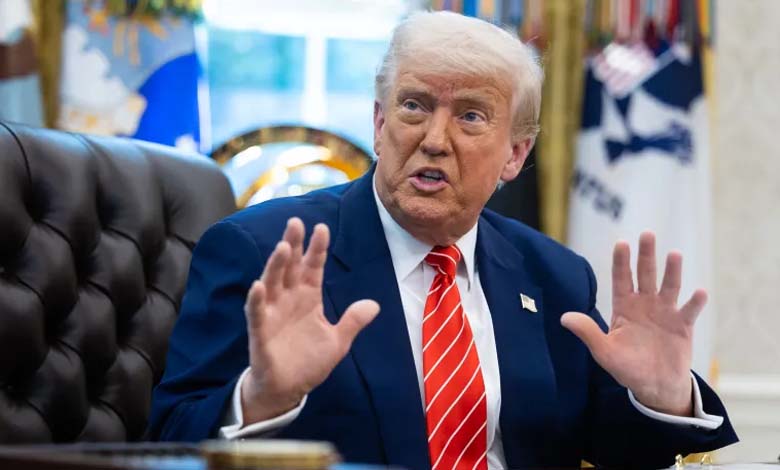
Nearly a week after the outbreak of the war waged by the United States and Israel against Iran, Donald Trump hinted that another country could become his next target.
U.S. President Donald Trump suggested that Cuba could be the next issue on his political agenda once the ongoing war with Iran comes to an end, indicating the possibility of reaching an agreement with the communist government in Havana.
Trump stated that the United States could begin negotiations with the Cuban government in the coming weeks, emphasizing that the latter “strongly wants to reach a deal.”
-
Trump and Iran: three military paths on the decision table
-
Iran protests put Trump to the test between escalation and dialogue
These remarks were made during an event hosted at the White House for the American football club Inter Miami. Addressing the club’s American-Cuban owners, he told them that they might “soon return to Cuba.”
He added: “We think we want to end this war first, but it will only be a matter of time before you and many others can go back there,” continuing: “I wanted to wait a few weeks, but I think we will soon gather to celebrate what is going to happen in Cuba.”
Trump also indicated, while addressing Secretary of State Marco Rubio, that the next focus could be on the Caribbean island, stating: “Your next file will be Cuba.”
-
After Trump’s threats, Iran affirms readiness for war and dialogue
-
Iran Warns Trump Against Intervention and Draws the Red Line
However, he clarified that the administration prefers to conclude the Iranian issue first before moving on to other matters, warning that addressing several crises simultaneously could lead to negative outcomes.
U.S. pressure on Cuba
In a previous interview with the website of the newspaper Politico, Trump had stated that “Cuba will fall,” referring to the increasing pressure the country is facing.
These remarks come at a time when Cuba is experiencing a worsening economic crisis, significantly aggravated after the Trump administration decided to halt Venezuelan oil shipments to the island following the U.S. military operation in Venezuela and the arrest of its president, Nicolás Maduro.
-
Trump Announces Ceasefire Between Israel and Iran
-
Energy Investments: Iran’s New Card to Woo Trump and End Sanctions
Trump said in the interview: “We cut off all the oil and all the money coming from Venezuela, which was their only source, and now they want to make a deal.”
Amid these developments, Cuba is facing a severe energy crisis due to an aging electricity grid and fuel shortages, which have resulted in widespread power outages across the country.
The United Nations has warned that declining energy reserves are worsening the humanitarian crisis and threatening healthcare services, water supplies, and food distribution in the country.
-
Trump’s Pressure Pushes Iran to Accept U.S. Demands on Nuclear File
-
Iran’s Nuclear Program Back in the Spotlight… and Trump Seeks Political Breakthrough
The international organization also indicated that more than two million Cubans were affected by the consequences of a hurricane that struck the country last October, destroying homes, blocking roads, and leaving hundreds of thousands of people in emergency shelters.
In addition, nearly five million people in Cuba suffer from chronic illnesses that require treatment dependent on a stable electricity supply, while about 10 percent of the population relies on water delivered by trucks powered by electric energy.
Francisco Pichon, the United Nations Resident Coordinator in Cuba, stated that the risks threatening people’s lives “are not merely theoretical warnings,” emphasizing that “ordinary citizens, especially the most vulnerable, are the ones most severely affected.”
-
Between Escalation and De-escalation: How Will Trump Handle Iran?
-
Trump and Iran: 4 Possible Scenarios, Including “Shock and Awe”
-
Trump’s Return Pushes European Powers to Demand Increased Pressure on Iran