Are dried meats really healthy? Uncovering the truth about a popular protein snack
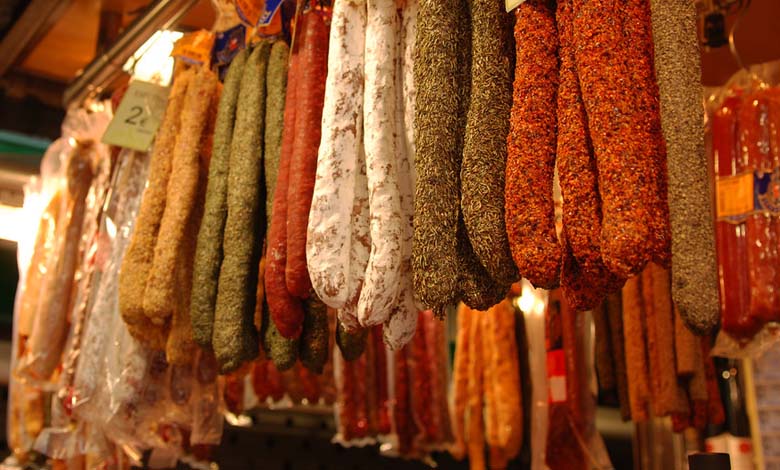
Dried meats are often promoted as convenient, high-protein snacks, particularly appealing to active individuals and those following high-protein diets. Easy to carry, store, and consume, they seem well suited to modern lifestyles. However, behind this image of a functional food lies a more complex nutritional reality. Are dried meats truly beneficial for health, or do they carry underestimated risks?
-
Why Is It Recommended to Follow a Low-Fiber Diet?
-
Important Health Tips to Remember During Ramadan’s Iftar
Definition and processing methods
Dried meats are produced through dehydration processes designed to extend shelf life. These methods may include salting, air-drying, smoking, or the addition of preservatives.
While these techniques help prevent microbial growth, they also alter the nutritional composition, concentrating certain nutrients and compounds.
High protein content
One of the main advantages of dried meats is their high protein content. Dehydration reduces water content, increasing protein concentration per unit of weight.
Proteins are essential for tissue repair, muscle maintenance, and satiety. In this context, dried meats can serve as a convenient protein source.
-
Fish can be eaten in many ways: fresh, in foil, baked and… smoked!
-
The essential role of ZINC in our body
High sodium levels
However, these products are often high in sodium due to the curing process. Excessive sodium intake is associated with an increased risk of hypertension and cardiovascular diseases.
This high salt content is one of the primary concerns regarding dried meats.
Presence of additives and preservatives
Many dried meats contain additives such as nitrates and nitrites, used to preserve color and prevent bacterial growth.
Although regulated, these compounds raise concerns due to their potential to form undesirable substances under certain conditions.
-
A tricks to reduce cholesterol levels naturally
-
Seven silent signs of protein deficiency in your diet: understanding, identifying, and correcting
Energy density and portion size
The reduction of water also increases energy density. A small portion of dried meat can contain a significant number of calories.
This characteristic may lead to overconsumption, particularly when the product is perceived as a healthy snack.
Quality of raw materials
The nutritional quality of dried meats largely depends on the quality of the meat used. Products made from lean, minimally processed meats tend to have a more favorable profile.
In contrast, highly processed products may contain lower-quality fats and added ingredients.
-
Do Protein Shakes Really Help with Weight Loss?
-
How to balance proteins, carbohydrates, and fats on a daily basis
Long-term health impact
Regular consumption of processed meats has been associated in some studies with an increased risk of chronic diseases. These associations should be interpreted cautiously, as they depend on multiple factors.
Nevertheless, they highlight the importance of moderation and the need to diversify protein sources.
Comparison with other protein sources
Dried meats are just one of many protein options. Legumes, dairy products, eggs, and fresh meats also provide protein, often with lower sodium and fewer additives.
Diversifying food sources improves overall nutritional balance.
Role in a balanced diet
Dried meats can be included occasionally in a balanced diet, taking into account their salt content and additives.
Moderate consumption, combined with a diet rich in fruits, vegetables, and fiber, helps reduce potential risks.
Dried meats offer nutritional benefits, particularly their high protein content and convenience. However, their high sodium levels, presence of additives, and energy density require mindful consumption.
Rather than a daily staple, they should be considered an occasional addition within a varied and balanced diet.