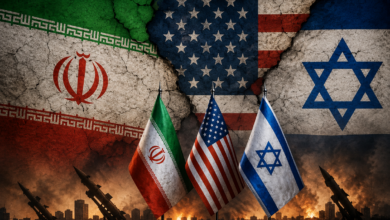
International anticipation over the fate of the ceasefire after the seizure of an Iranian vessel
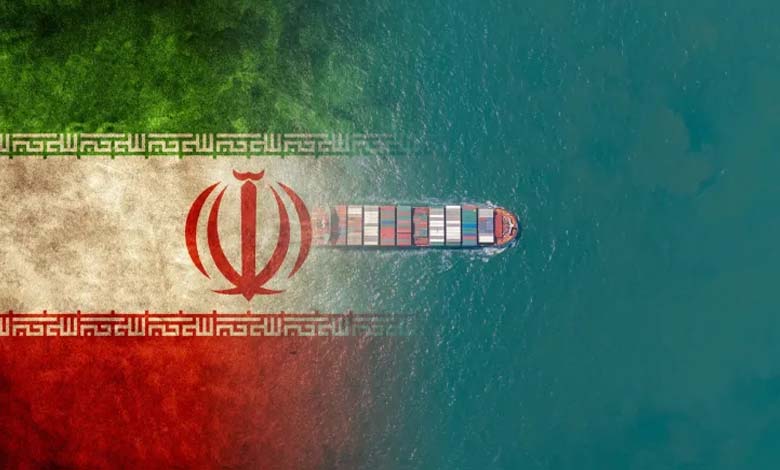
Iranian media claim that the military launched a drone attack on some U.S. warships in response to the seizure of the vessel.
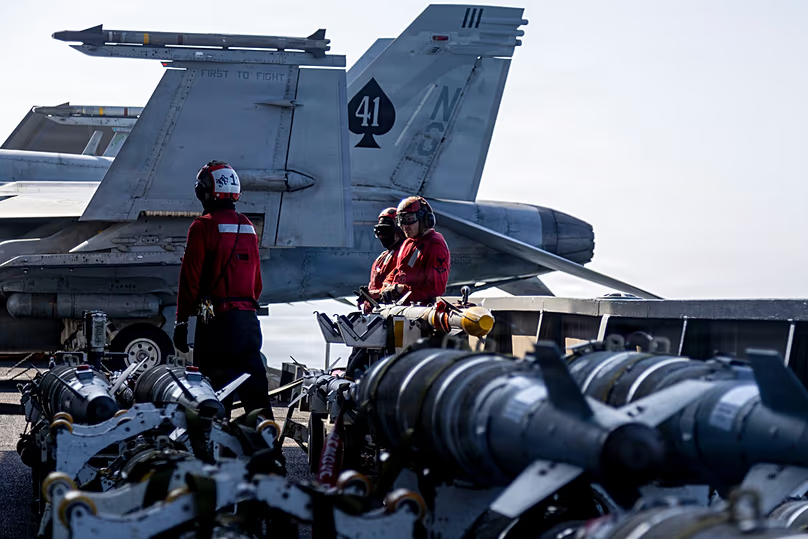
Concerns increased on Monday about a possible collapse of the ceasefire between Washington and Tehran after the United States announced it had seized an Iranian cargo ship that allegedly attempted to breach the blockade imposed on the ports of the Islamic Republic. Iran vowed to retaliate, while media reports cited information indicating that the Iranian military carried out a drone attack against U.S. warships in the Gulf of Oman.
Efforts to achieve a more lasting peace in the region also appeared to rest on fragile ground, as Iran announced it would not participate in a second round of negotiations that the United States had hoped to begin before the ceasefire expires on Tuesday.
The United States continued its blockade of Iranian ports, while Iran lifted the blockade it had imposed on maritime traffic through the Strait of Hormuz—through which nearly one-fifth of global oil supplies typically pass—before closing it again.
The U.S. military said on Sunday that it fired on an Iranian-flagged cargo vessel as it sailed toward the Iranian port of Bandar Abbas. U.S. President Donald Trump wrote on social media, “We now have full control of their ship, and we are checking what is on board!”
The Iranian military stated that the ship had come from China. State media quoted a military spokesperson as saying, “We warn that the armed forces of the Islamic Republic of Iran will soon respond and avenge this armed piracy committed by the U.S. military.”
Amid rising field tensions, Iranian media reports said on Monday that the country’s armed forces launched a drone attack on some U.S. warships after the U.S. military intercepted the Iranian vessel.
The semi-official Tasnim News Agency cited informed sources reporting that American ships were targeted, without providing details on the locations or the extent of the damage, adding that the strikes came in response to the U.S. attack on the Iranian cargo ship in the Gulf of Oman.
Oil prices surged and stock markets fluctuated, as traders expected traffic to and from the Gulf to remain at minimal levels.
Official Iranian media reported that Tehran had refused new peace talks, citing the ongoing blockade, the threatening tone of the United States, Washington’s shifting positions, and its “excessive demands.”
Iran’s First Vice President Mohammad Reza Aref wrote on social media, “You cannot restrict Iranian oil exports and expect free security for others… The choice is clear: either a free oil market for all, or the risk of high costs for all.”
Meanwhile, the Russian newspaper Vedomosti quoted Iran’s ambassador to Russia, Kazem Jalali, as saying on Monday that Tehran guarantees the safety of navigation through the Strait of Hormuz under a new legal framework.
A spokesperson for China’s Foreign Ministry, Guo Jiakun, expressed concern over the U.S. interception of an Iranian-flagged cargo vessel and urged the concerned parties to responsibly adhere to the ceasefire agreement.
Trump had previously warned that the United States would destroy all bridges and power plants in Iran if Tehran rejected his terms, continuing his threats.
Iran stated that if the United States targeted its civilian infrastructure, it would strike power stations and desalination plants in neighboring Arab Gulf countries.
The U.S. president said his envoys would arrive in Islamabad on Monday evening, one day before the two-week ceasefire expires.
A White House official said the U.S. delegation would be led by Vice President JD Vance, along with Trump envoy Steve Witkoff and his son-in-law Jared Kushner. However, Trump told ABC News and MS Now that Vance would not participate in the new negotiations.
Pakistan, which played a key mediating role, appeared to be preparing for the talks. Two Pakistani security sources said two giant U.S. C-17 cargo planes landed at an air base on Sunday afternoon carrying security equipment and vehicles in preparation for the arrival of the U.S. delegation.
Municipal authorities in Islamabad halted public transport and heavy truck traffic across the city. Barbed wire was installed near the Serena Hotel Islamabad, where last week’s talks were held, and the hotel asked all guests to leave.
The war, now in its eighth week, has caused the most severe shock in history to global energy supplies, driving oil prices higher due to the effective closure of the strait.
Thousands were killed as a result of U.S.-Israeli strikes on Iran and Israeli attacks on Lebanon conducted in parallel with the war against Iran that began on February 28. Iran responded with missile and drone attacks on Israel and neighboring Arab countries hosting U.S. bases.
Iranian Parliament Speaker Mohammad Bagher Ghalibaf, who heads the Iranian negotiating team, had previously said progress had been made but that the two sides remained far from reaching an agreement on nuclear issues and the strait.
European allies, whom Trump has repeatedly criticized for not supporting his war efforts, fear that the U.S. negotiating team may push for a quick and superficial agreement that would require months or even years of technically complex follow-up talks.