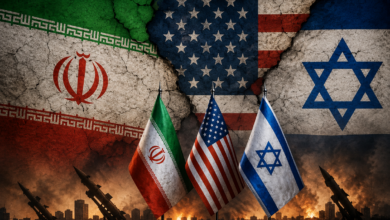
Iran to Trump: we did not request the extension of the truce, and the loser does not set the terms
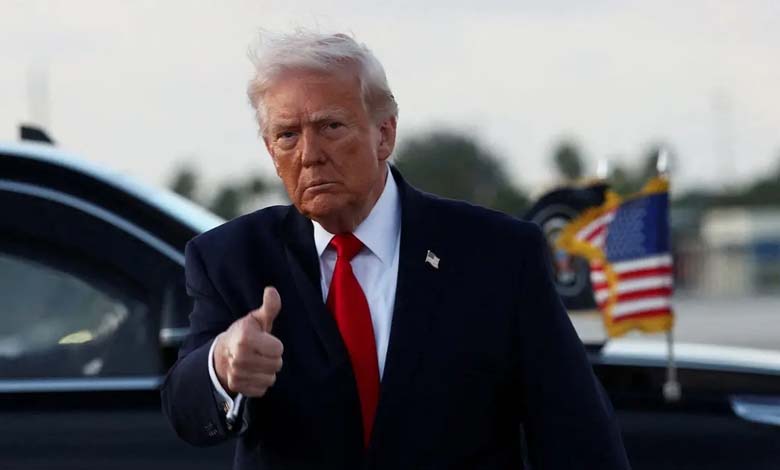
The declared truce, which has entered a phase of intense tension, appears to be nothing more than a temporary tactical cover for an open conflict whose outcome remains unclear.
In a response reflecting a clearly defiant tone, Mehdi Mohammadi, advisor to the Speaker of the Iranian Parliament, downplayed U.S. President Donald Trump’s announcement regarding the extension of the ceasefire, stating that “the loser cannot set the terms,” while emphasizing that Tehran had not, in the first place, requested the extension of the truce. This stance comes amid a truce that, despite its fragility, seems to be an undeclared preferred option for both sides, in order to avoid the heavy economic and military costs that have burdened all parties.
-
We destroyed their forces and nuclear laboratories: Trump outlines the results of the war against Iran
-
Trump keeps Iran under pressure and anticipates an imminent end to the war
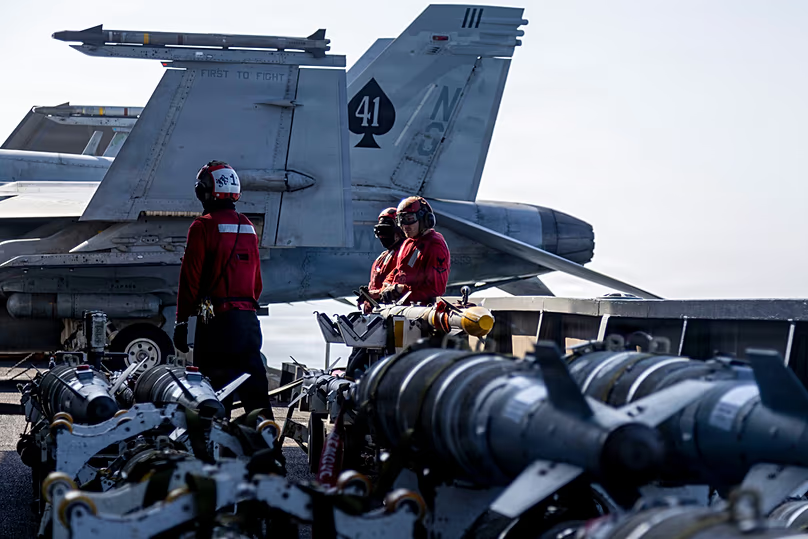
The Iranian statements also included an escalation in the characterization of U.S. measures. Mohammadi considered that the maritime blockade that Washington continues to impose in the Strait of Hormuz “is no different from a bombardment,” calling for a military response. This position reflects Tehran’s insistence on rejecting any separation between military de-escalation and on-the-ground pressure, as it views the continuation of the blockade as undermining any real meaning of the truce.
In the same context, Iranian media outlets, including the semi-official Tasnim News Agency, reported that Iran was not the party that requested the extension of the ceasefire announced since April 8, arguing that what is taking place in the Strait of Hormuz is evidence of the “continuation of American hostility.” They stressed that Tehran will not reopen the strait as long as the maritime blockade remains in place, placing one of the world’s most vital maritime passages at the center of the standoff.
-
Trump threatens to destroy Iranian vessels as Tehran vows retaliation
-
Iran: “I can wipe it out in an hour” — Donald Trump issues a warning to Tehran
Trump announced on Tuesday evening the extension of the truce at Pakistan’s request, “until Tehran presents its proposal,” without specifying a timeframe. He explained that this decision was also linked to what he described as divisions within the Iranian leadership, noting that he had ordered U.S. forces to continue the blockade while remaining at full readiness, alongside the suspension of offensive operations.
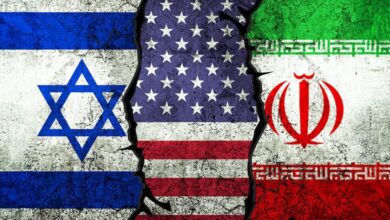
Washington and Tehran had announced, on April 8, a two-week truce following a military escalation that began on February 28 with Israel’s participation and resulted in more than 3,000 deaths. Although Islamabad hosted a round of negotiations on April 11, it ended without an agreement, leading to the extension of the truce in an attempt to revive the diplomatic track.
-
What will Trump do with Iran after the failure of the negotiations?
-
Iran War Reveals Trump’s Failures in Negotiation
On Wednesday, Pakistani Prime Minister Shehbaz Sharif expressed hope that the extension of the ceasefire would provide a genuine opportunity for diplomacy, stating that his country is working to ensure the success of a second round of talks aimed at reaching a comprehensive peace agreement that would permanently end the conflict. Trump justified the extension by pointing to divisions within the Iranian leadership, arguing that suspending attacks gives Tehran the opportunity to unify its negotiating position.
Field and political developments indicate that what is happening goes far beyond a mere humanitarian truce or a step toward peace, turning instead into a clear contest of wills between the two sides. The United States is using the extension of the truce as a pressure tool, accompanied by an ongoing blockade intended to force Iran into concessions, while Tehran seeks to delegitimize this pressure by portraying it as a hostile act no different from warfare.
It appears that each side is attempting to buy time and improve its negotiating position: Washington relies on economic and military pressure, while Tehran depends on resilience and heightened political rhetoric, hinting at escalation options. Between these dynamics, the truce remains only a temporary cover for an open conflict whose final outcome has yet to be determined.
-
The last chance for Iran before Trump’s hell… Talks of a 45-day truce
-
U.S. President Donald Trump threatened to destroy bridges and power stations in Iran