Israel reports shortage of interceptor missiles in the face of Iranian attacks
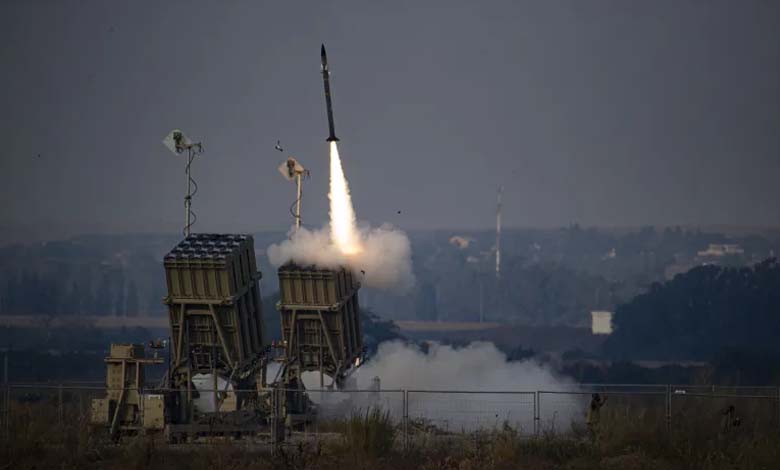
A shortage of Israeli interceptor missiles is raising questions about the ability of Washington and Tel Aviv to sustain the war against Iran.
Media reports indicate that Israel has informed the United States of a significant shortage of defensive interceptor missiles, a development that could have important implications for Tel Aviv’s capacity to confront waves of missiles and drones launched by Iran since the outbreak of the military confrontation between the two sides in late February.
-
Israel and Iran: Everything You Need to Know About The Fire Saturday
-
Intense Cyber War Between Israel and Iran
The Hebrew newspaper Yedioth Ahronoth reported, citing the U.S. website Semafor, that Israeli officials have informed Washington of a noticeable shortage of interceptor missiles used in air defense systems, amid the heavy use of these systems during the recent weeks of war.
According to the report, which relied on official U.S. sources, one official indicated that the shortage “was expected,” given the sustained pace of missile attacks faced by Israel. However, the same source emphasized that the United States does not face a similar shortage in its interception systems and possesses sufficient capabilities to protect its military bases and personnel deployed in the region.
-
Washington Tests Military Capabilities Amid Escalation Between Israel and Iran
-
Israel and the war with Iran: six phases of military operations
The report also stated that Tel Aviv has already begun seeking solutions to compensate for this shortfall, as demand for interceptor missiles has increased significantly due to the continuous use of air defense systems to intercept missiles and drones launched from Iran and its regional allies.
No immediate official comment has been issued by either the U.S. or Israeli governments regarding these reports. Nevertheless, discussions about a shortage in defensive missile stocks highlight one of the key challenges facing Israel in this war: maintaining the operational effectiveness of its defense systems in the face of prolonged attacks.
-
Latest news on the war against Iran: Israeli strikes west of Tehran and in southern Lebanon
-
They leaked phone numbers and names: Iranian hack of an Israeli officer’s phone
Israel’s air defense relies on a multilayered system, most notably the Iron Dome system designed to intercept short-range rockets, alongside other systems intended to counter ballistic missiles and drones. However, these systems depend on large stocks of interceptor missiles, which may be depleted rapidly if intensive attacks continue for an extended period.
Since February 28, Israel and the United States have been engaged in a war against Iran that has resulted in hundreds of deaths, including senior officials, while Tehran has responded by launching successive waves of missiles and drones toward Israeli territory.
-
Israeli attacks on Beirut and Iran as Golani Brigade deployed to Lebanon
-
Two dead and one injured after an Iranian cluster-warhead missile falls in central Israel
Analysts believe that Iran’s strategy partly relies on overwhelming Israeli air defense systems by launching a large number of projectiles simultaneously, a tactic intended to exhaust interceptor missiles and force Israel to spend substantial resources to maintain its defensive capabilities.
If the reports regarding a shortage of interceptor missiles are confirmed, Israel may be compelled to reassess its defensive strategy, either by accelerating the production of interceptor missiles or by requesting additional support from the United States.
This development could also prompt Tel Aviv to place greater emphasis on offensive operations targeting missile launch platforms in Iran or among its allies, in an attempt to reduce the scale of the threat before it reaches Israeli airspace.
-
The sixth attack since midnight: Israel detects and intercepts an Iranian missile attack
-
Unprecedented Double Missile Strike from Lebanon and Iran Hits Israel
At the same time, U.S. support could prove decisive in maintaining Israel’s resilience should the war continue for a longer period, particularly as Washington possesses significant industrial and military capabilities that enable it to supply its allies with the necessary defensive equipment. However, the cost of the war itself has already sparked sharp divisions in the United States and growing debate over the wisdom of continuing the conflict, especially amid rising fuel prices that could provoke public dissatisfaction.
As the military confrontation continues and expands regionally, the availability of interceptor missiles may become one of the key factors shaping the course of the war, since Israel’s ability to counter waves of missile attacks will remain a central element in determining the balance of power during the next phase of the conflict.
-
Israel strikes the Iranian leadership complex, the regime’s most central and strategic headquarters
-
Iran draws up a list of Israeli and U.S. targets in response to a potential attack
-
Iran faces the most dangerous total war with Israel and the United States
-
From ‘The Spider’s Den’… Iran Announces an Infiltration into Israel and Reveals a Treasure
-
Iran Holds Official Funerals for Military Commanders and Scientists Killed in Israeli Strikes
-
Unprecedented Announcement: Israeli Commandos Operated Inside Iran
-
Israel strikes Hamas, Hezbollah, and Houthi “weapons supply line” in Iran… Who is Behnam Shahriari?
-
Mutual escalation between Iran and Israel despite calls for de-escalation