The Muslim Brotherhood in Sudan and Yemen: recruitment networks and exploitation of crises
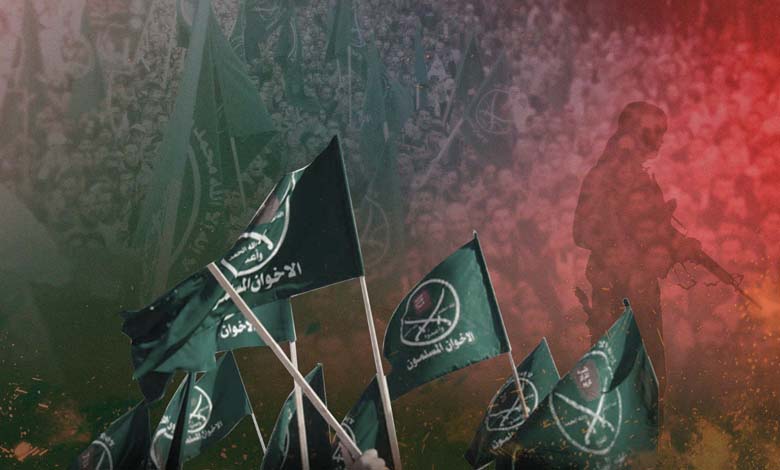
Attempts at infiltration and youth recruitment, fueling wars, and supporting coup plotters are described in this text as the indirect methods allegedly used by the Muslim Brotherhood to attract followers in Yemen and Sudan.
According to Monir Adib, a researcher in political and strategic affairs and counterterrorism, “the Muslim Brotherhood is the scourge of our time and the greatest challenge facing Arab states; they are the germ threatening the security and stability of Arab countries and indeed the entire world.”
-
Calls to Designate the Islamic Movement Muslim Brotherhood in Sudan as a Terrorist Organization
-
The Muslim Brotherhood in Sudan Seeks to Return to the Scene Through International Conferences… Details
A report published by Fair Observer cited Sudanese human rights activist Anas Hamidan as saying that the Brotherhood, through the National Congress Party and the “Islamic Movement,” its arm in Sudan, contributed to shaping decades of war, repression, and institutional collapse.
He stated that what is currently happening in Sudan shows what occurs when the Brotherhood infiltrates the state, the education system, the army, and civil society.
According to Hamidan, the group recruits young people in universities, where students may face pressure to join affiliated groups in exchange for academic advancement, in addition to forced military recruitment, ideological indoctrination, and the use of religion or ethnicity to divide societies.
-
Reasons to classify the Muslim Brotherhood in Sudan as a “terrorist group”
-
Iraqi Hezbollah removes the mask: acknowledgment of Iran’s arming of Sudan’s Muslim Brotherhood
He also referred to accusations against Brotherhood-linked elements within the Sudanese armed forces, alleged to have committed serious atrocities in the current conflict, including the use of chemical weapons against civilians, which reportedly contributed to sanctions and terrorist designations by several countries.
The Sudanese activist believes the Brotherhood is no longer compatible with the modern world, as it is allegedly incapable of moral reform or adaptation, even if it adapts tactically. He expressed the view that the movement sustains itself by creating enemies, perpetuating conflict, and obstructing peaceful transitions that could end its political relevance.
-
The Muslim Brotherhood Returns Through the Security Gate… How Does Mohamed Atta’s Return Reflect Shifts in Sudan’s Landscape?
-
Sudan Between Military Balance and Muslim Brotherhood Influence: An Ongoing Struggle Over Decision-Making
In Yemen, the Brotherhood, through the Al-Islah party, its political arm, is described as having played all sides: cooperating with tribal leaders, aligning with the regime of former president Ali Abdullah Saleh, then aligning with the Houthis, and opposing southern independence.
According to the report, there is alleged cooperation between the Brotherhood and Iran, reflected in Sudan’s role as a corridor for Iranian weapons to Tehran’s allies, while the Islamic Movement in Sudan reportedly received Iranian support.
Monir Adib reiterated that “the Muslim Brotherhood is the scourge of our time… like cancer cells.”
-
Experts reveal the hidden factors behind the prolongation of the Sudan conflict… what is the role of the Muslim Brotherhood?
-
How do the Muslim Brotherhood prevent the recovery of Taiz and sabotage the Joint Operations Room in Yemen?
He added that the Brotherhood’s role in Yemen had been socially destructive, as the country faces division and polarization, with a coup carried out by Houthi militias against the legitimate authority “with the support of the Brotherhood through its political arm, the Al-Islah party,” turning “happy Yemen into unhappy Yemen.”
He argued that the impact of the Brotherhood’s support for the Houthi coup extended across the region, citing threats to regional security and disruptions at Bab el-Mandeb that affected the Suez Canal.
He added that “the Muslim Brotherhood is a key factor in the equation of Yemen’s fall into the abyss of an ongoing coup for years.”
-
Muslim Brotherhood in Yemen and Al-Qaeda: collaboration in Wadi Obeida exposed by U.S. airstrikes and drones
-
The Muslim Brotherhood-affiliated Islah party throws the stick of partisan quota into the wheels of the Yemeni government
Regarding Sudan, Adib said the Brotherhood ruled the country for more than 30 years and that when a popular uprising erupted against its rule, the Islamic Movement, its political arm, allegedly joined forces with the army, dragging Sudan into the current conflict that has killed thousands and displaced millions.
He asserted that the Brotherhood is the main perpetrator in the current Sudan war, supporting the armed forces and rejecting any humanitarian truce or negotiations to end the war, thereby worsening the suffering of the Sudanese people.
He concluded that the refusal by the Brotherhood and the army to accept a humanitarian truce stems from their awareness that ending the war would lead to prosecutions of their leaders for crimes committed against the Sudanese people, and therefore they seek the continuation of the war as a path back to the political scene.
-
The Million March of Steadfastness: Southern Yemen confronts the return of Brotherhood militias
-
Southern Yemen between Saudi airstrikes and support for the Muslim Brotherhood: an open wound threatening civilians
-
The Yemeni Muslim Brotherhood turns Marib into a warehouse for looted goods… Details
-
Ignoring the Muslim Brotherhood… a strategic mistake undermining Western approaches to ending the war in Sudan