Starmer: Lebanon is an integral part of the solution
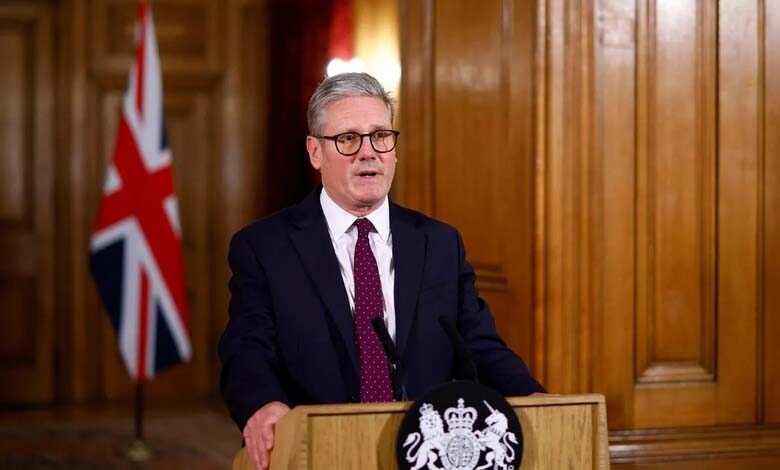
UK Prime Minister Keir Starmer stressed the need to include Lebanon in any ceasefire agreement, calling on Hezbollah to lay down its arms.
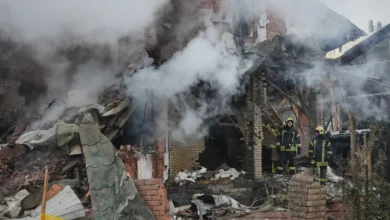
Keir Starmer called for an immediate halt to Israeli military operations in Lebanon, warning of devastating humanitarian consequences that have pushed the country to the brink of a deep crisis. In a parliamentary briefing following a diplomatic tour that included several Gulf states, he painted a bleak picture of the regional situation, describing the current calm as “extremely fragile” and placing the entire region on the edge of the abyss, as negotiation efforts between the United States and Iran in Islamabad encountered significant difficulties.
He briefed Parliament on the outcomes of his visit to the Middle East, which included Saudi Arabia, Qatar, the United Arab Emirates, and Bahrain, emphasizing the need to strengthen defense and economic cooperation with regional allies.
He noted that Arab leaders expressed appreciation for British solidarity in these difficult circumstances, considering that joint cooperation helped ease the pressure.
The UK Prime Minister adopted a tone that was both balanced and firm, insisting on the need to include Lebanon in any ceasefire agreement, calling on Hezbollah to disarm, while also describing Israeli attacks as “wrong” and calling for their immediate cessation to end humanitarian suffering.
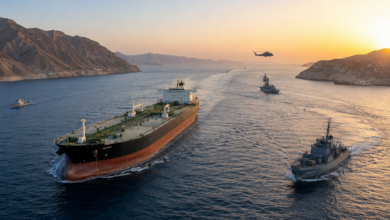
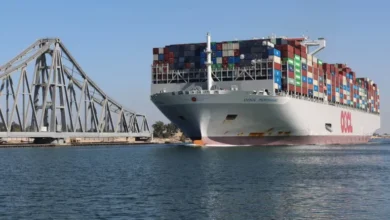
He also stressed the need to ensure freedom of navigation in the Strait of Hormuz and to lower tensions in order to reach a sustainable ceasefire. Starmer’s statements come at a highly sensitive time following the conclusion of negotiations in Islamabad without a final agreement to end the war. Washington and Tehran are exchanging blame for this failure, amid uncertainty surrounding the fate of the planned truce.
The United States and Iran had announced, through Pakistani mediation, a two-week truce that began at dawn on Wednesday, April 8, aimed at paving the way to end the war that broke out on February 28.
The significance of this moment lies in the region’s race between “fragile diplomacy” and the risk of sliding into a broader confrontation, with only a few days remaining before the temporary truce expires and no clear prospect for a new round of negotiations.