Terrorism, sanctions, and influence: five questions explaining the future of Rwanda’s role in Mozambique
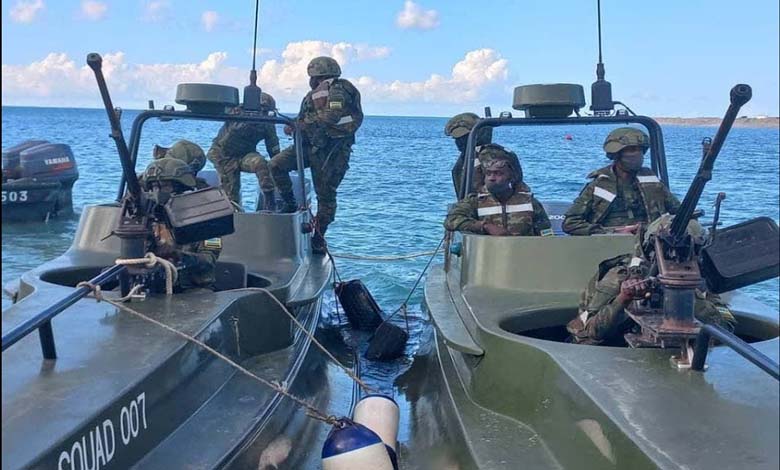
Questions are mounting about the future of Rwanda’s presence in Mozambique, particularly in the gas-rich province of Cabo Delgado, which has been the scene of attacks by terrorist groups.
These questions arise amid rising regional tensions and following U.S. sanctions imposed in early March on the military establishment in Kigali.
Five key questions frame Rwanda’s military presence in Mozambique:
-
Collapse of aid fuels the rise of ISIS, as Mozambique stands on the brink of a new explosion
-
Mali and Al-Qaeda… Pragmatism Redefining Priorities (Two Experts)
What is the nature of Rwanda’s military presence in Mozambique?
Rwanda began deploying forces to Mozambique in 2021 at the request of the government in Maputo, to support counter-insurgency operations in the northern province of Cabo Delgado, according to the French magazine Jeune Afrique.
These forces, which include special counter-terrorism units and trained police elements, played a central role in recapturing several coastal towns from terrorist groups, such as Palma, and in protecting major energy projects linked to natural gas discoveries.
Since July 2021, around one thousand Rwandan soldiers and police officers have been deployed in northern Mozambique at Maputo’s request, supporting Mozambican forces that lacked the equipment and experience to confront armed groups.
-
U.S. pressure to redraw NATO’s mission map, with Iraq at the forefront
-
From bombs to algorithms: ISIS weaponises artificial intelligence
Why is Cabo Delgado province important?
According to the magazine, Cabo Delgado is among the most sensitive areas in southern Africa, not only because of the activity of the group “Ansar al-Sunnah,” linked to terrorist organizations, but also because it hosts one of Africa’s largest natural gas reserves.
This wealth has turned the province into a field of international competition between energy companies and states concerned with supply security. Any deterioration in security there therefore affects not only Mozambique but also global energy markets and major exploration projects.
-
The ink of the so-called miracle agreement has not yet dried, and fighting has already resumed in eastern Democratic Republic of Congo
-
A new blow to ISIS in Puntland… Arrest of the logistics and communications chief
Why is Kigali threatening to withdraw?
Kigali’s threats come within a complex political and economic context after the U.S. Treasury announced sanctions against the Rwandan army in early March, seen as direct pressure on Rwanda’s regional role.
The magazine explains that Kigali is using the withdrawal card as a diplomatic lever to rebalance its relations with Western countries amid growing criticism of its cross-border military interventions.
However, observers believe this threat is more a negotiating strategy than a final decision.
This threat is also linked to a warning from the European Union that it may halt funding for the Rwandan mission in Mozambique in May 2026.
-
ISIS is working to link its hotspots in Africa — the threat goes beyond the continent
-
Cabo Delgado: ISIS’s Gateway into Africa
What would a Rwandan withdrawal mean militarily?
If Rwandan forces were to withdraw, the Mozambican government would face a major security challenge, with the risk of armed groups returning to areas previously reclaimed.
This could create a security vacuum that terrorist groups might exploit to regroup, threatening major gas projects and increasing instability.
At the regional level, such a withdrawal could weaken the model of rapid African intervention in counter-terrorism, which has been regarded in recent years as relatively successful.
-
With Weapons and Soldiers, the Russian Bear Strengthens Its Influence in the African Sahel
-
The Strongman of ISIS is a Mysterious Somali Financier… Learn About Him
Is the withdrawal imminent?
Current indicators suggest that Rwanda’s withdrawal threat remains more a form of political pressure than a final decision. Despite tensions with Washington, Kigali continues to benefit from its military role in strengthening its regional influence and demonstrating its capacity to act as a “regional security power.”
A full withdrawal at this stage could also damage Rwanda’s image as a reliable security partner, especially while terrorist threats persist in Cabo Delgado.
Analysts cited by the French magazine believe Rwanda is likely to maintain its military presence while adjusting or renegotiating the terms of its participation rather than opting for a complete withdrawal.
-
Extension of MINURSO Mission: Diplomatic Victory for Morocco and Setback for Algeria
-
Is South Africa the Financial Hub for ISIS in Africa?
The magazine concludes that the future of Rwandan forces in Mozambique remains suspended between international pressures and internal strategic calculations.
According to observers, while Kigali continues to use the withdrawal threat as a negotiating tool, Cabo Delgado remains an extremely sensitive area where security, energy, and geopolitics intersect in a regional landscape prone to escalation or rebalancing at any moment.
-
Is Libya Becoming a Hub for Exporting Armed Militias to Africa?
-
Continued Terrorism Confrontation by Somalia Against Al-Shabaab