Military energy sovereignty: the Pentagon enters the era of micro-reactors
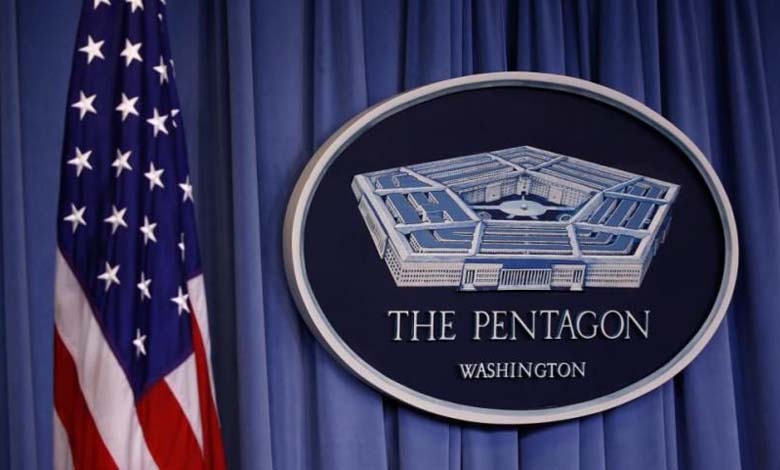
The United States Department of Defense is accelerating the integration of miniaturized nuclear reactors into the operation of its bases, seeking to achieve an unprecedented level of energy independence and to reduce reliance on traditional supply chains that have long represented a logistical vulnerability.
The Department of the Air Force announced the selection of Buckley Space Force Base in Colorado and Malmstrom Air Force Base in Montana as the first two sites to deploy this technology under the “Advanced Nuclear Energy for Installations” program. This step marks a shift from the experimental phase to large-scale operational implementation within the U.S. military infrastructure, according to The National Interest.
-
One of the Pentagon’s most reliable weapons: the Tomahawk as the spearhead against Iran
-
The Pentagon deploys a new weapon as part of its operations in Iran
Fossil fuel supply has long posed a major challenge for military bases, particularly those located in remote areas or harsh environments. Transporting fuel by truck, ship, or aircraft not only incurs significant financial costs but also creates strategic vulnerabilities that can be targeted or disrupted.
In this context, micro-nuclear reactors offer a transformative solution by providing stable and reliable energy for extended periods that may exceed fifteen years without refueling. They also significantly reduce the logistical footprint and limit the risks associated with supply chains, whether environmental or security-related.
These reactors are distinguished by so-called “intrinsic” safety systems, enabling them to automatically adapt to changes in operating conditions. This reduces the likelihood of accidents compared to conventional reactors and makes them suitable for use in isolated or highly sensitive military environments.
-
Interceptor missiles: an American dilemma troubling the Pentagon amid the war on Iran
-
Nine federal departments, including the Pentagon, affected by a temporary shutdown as the Senate passes a spending bill
Rising energy demand in the age of technological warfare
This shift comes at a time when military bases are experiencing a substantial surge in energy consumption. Their needs are no longer limited to essential services but now depend on complex systems including advanced radar networks, high-density communication systems, and large data centers.
With the expansion of artificial intelligence, military cloud computing, and space infrastructure, the need for stable and highly efficient energy sources is intensifying. The development of directed-energy weapons, such as laser systems designed to counter drones and missiles, also imposes energy requirements that traditional means cannot meet.
In this framework, micro-nuclear reactors appear to be the most practical option to meet this growing demand, given their ability to deliver dense, uninterrupted, and stable power.
-
A Conflict from the Future: The Pentagon Clashes with Anthropic
-
Protests in Minneapolis: the Pentagon prepares with 1,500 troops
A new operational model
The Advanced Nuclear Energy for Installations program represents a transformation in how energy is managed within the military institution, relying on the involvement of private companies in the operation and management of the reactors. These companies are responsible for site selection, regulatory licensing, construction oversight, day-to-day operations, and even reactor decommissioning at the end of its service life.
This model aims to accelerate the deployment of the technology, leverage private-sector expertise, and reduce the operational burden on the military institution while maintaining strict safety and security standards.
The selected sites underwent extensive studies, including rigorous environmental and engineering assessments, to ensure that these reactors can be integrated into existing infrastructure without compromising environmental safety or operational efficiency.
-
Coinciding with Netanyahu’s visit, the Pentagon announces an F-15 deal for Israel
-
Trump’s threat to Nigeria: turmoil at the Pentagon and a reshuffling of priorities
Expected expansion across all branches of the armed forces
This initiative is not limited to the Air Force. The U.S. Army is developing parallel plans to deploy micro-reactors at several of its major bases across the United States as part of a broader vision to strengthen military energy security across all branches.
This expansion reflects a growing recognition that energy has become a central element of military superiority, on par with weaponry and technology.
The Pentagon’s move toward micro-nuclear reactors signals the beginning of a new phase in the management of military operations, where energy shifts from being merely a logistical support element to a fundamental pillar of defense strategy.
With deployment expected by 2030, U.S. military bases appear to be moving toward a more autonomous and efficient model, heralding the end of dependence on traditional fuel convoys and opening the door to a new era of “military energy sovereignty.”
-
Trump plans to revive the War Department: what do we know about the Pentagon?
-
Iran-Israel War: Has the Pentagon’s Confidence in THAAD Been Shaken?
-
Silicon Valley Shapes the Pentagon’s Strategy for Future Wars