Trump instructs his forces to prepare for a prolonged blockade of Iran
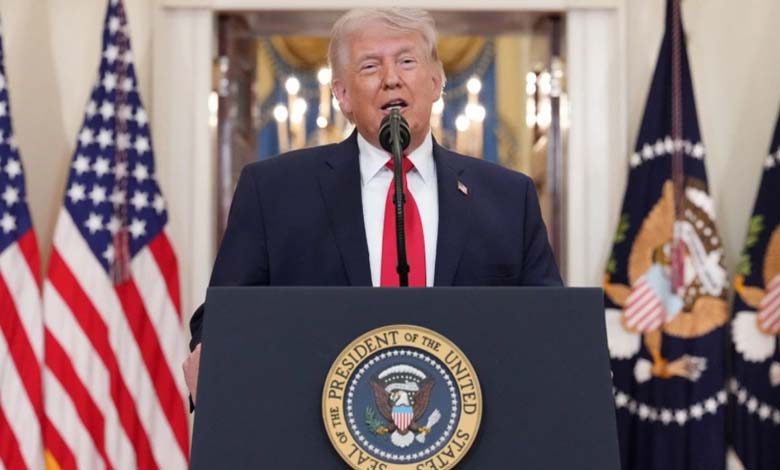
U.S. President Donald Trump believes that other options, including resuming bombing or withdrawing from the conflict, carry greater risks than maintaining the blockade.
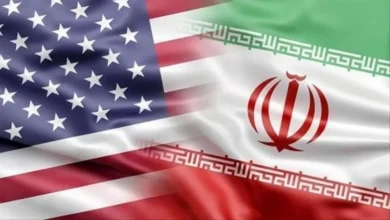
Trump has instructed his aides to prepare for a prolonged blockade of Iran, according to a report published Tuesday by The Wall Street Journal citing U.S. officials, signaling a possible escalation in the Iranian file and a deadlock in Pakistan-mediated negotiations.
-
Trump and Iran: three military paths on the decision table
-
Iran Warns Trump Against Intervention and Draws the Red Line
The report said that during recent meetings, the president favored continuing pressure on the Iranian economy and its oil exports by preventing shipping to and from its ports. He believes that other options, including resuming strikes or withdrawing from the conflict, entail greater risks than maintaining the blockade.
The Iranian government is expected to adopt a hardline stance in response to such developments, particularly given the damage inflicted on its economy by the blockade imposed on its ports.
Meanwhile, two U.S. officials and a person familiar with the matter said that U.S. intelligence agencies are studying Iran’s reaction if Trump were to declare a unilateral victory in the two-month-long war that has claimed thousands of lives and has become a political burden for the White House.
-
Trump and Iran: 4 Possible Scenarios, Including “Shock and Awe”
-
Mutual criticism… the Iran war reignites the rift between Trump and Merz
Intelligence services are analyzing this issue along with others at the request of senior administration officials. According to the sources, the aim is to understand the consequences of a potential Trump withdrawal from a conflict that some officials and advisers fear could result in heavy losses for Republicans in the midterm elections later this year.
No decision has yet been made, and the U.S. president could easily resume military operations. However, a rapid de-escalation could ease the political pressure on him, even if it strengthens Iran’s influence, potentially allowing it to rebuild its nuclear and missile programs and threaten U.S. allies in the region.
The sources spoke on condition of anonymity in order to discuss sensitive intelligence matters.
-
Iran to Trump: we did not request the extension of the truce, and the loser does not set the terms
-
We destroyed their forces and nuclear laboratories: Trump outlines the results of the war against Iran
It remains unclear when the intelligence agencies will complete their assessment, but they have previously analyzed the likely reaction of Iranian leaders to a U.S. declaration of victory.
One source said that in the days following the first bombing campaign in February, intelligence agencies assessed that if Trump declared victory and withdrew U.S. forces from the region, Iran would likely view that as a victory.
If, however, the president declared that the United States had won while maintaining a heavy military presence, Iran might see this as a negotiating tactic rather than a genuine way to end the war.
Liz Lyons, Director of Public Affairs at the CIA, said in a statement after the report was published that “the CIA is not aware of the assessment circulated by intelligence agencies.”
-
Trump keeps Iran under pressure and anticipates an imminent end to the war
-
The last-hour call between Donald Trump and Benjamin Netanyahu: behind the scenes before the Iran truce
White House spokesperson Anna Kelly said that the United States remains in contact with the Iranians regarding negotiations and will not “rush into a bad deal.” She added that “the president will only conclude an agreement that puts U.S. national security first, and he has made it clear that Iran will never possess a nuclear weapon.”
Polls show that the war is unpopular among Americans. Only 26% of respondents in a Reuters/Ipsos poll published last week said the military campaign was worth the cost, while only 25% said it had made the United States safer.
Three people familiar with recent White House discussions described Trump as fully aware of the political price he and his party are paying.
-
Trump’s deadline enters its decisive hours… Iran under bombardment and warning about trains
-
U.S. President Donald Trump threatened to destroy bridges and power stations in Iran
Twenty days after the president announced a ceasefire, intensive diplomatic efforts have failed to fully reopen the Strait of Hormuz, which Tehran closed by attacking ships and laying mines in the narrow waterway.
The strangling of maritime traffic, which carries about 20% of the world’s crude oil, has driven up global energy costs and gasoline prices in the United States. The ability to disrupt trade gives Iran significant leverage against the United States and its allies.
A decision to reduce the U.S. military presence in the region, combined with lifting the mutual blockade, could help lower gasoline prices. However, the two sides still appear far from reaching any agreement.
-
Trump mobilizes for a Hormuz alliance and broader international involvement in the war against Iran
-
Trump, CNN and the speech of Iran’s new Supreme Leader: four minutes that reignite the war
Last weekend, Trump canceled the visit of his special envoy Steve Witkoff and his son-in-law Jared Kushner to meet Iranian officials in Pakistan, telling reporters on Saturday that it would take “far too long” and that if Iran wanted dialogue, “all it had to do was call.”
A source familiar with the workings of the U.S. administration said that multiple military options remain officially under consideration, including renewed airstrikes on Iranian military and political leaders.
However, one U.S. official and another person familiar with the discussions said that the boldest options, such as a ground invasion of Iranian territory, now appear less likely than they did a few weeks ago.
-
Trump studies Iran’s future after the war and keeps an eye on Khamenei’s successor
-
War Objectives in Iran Portend Rift Between Trump and Netanyahu
A White House official described the internal pressure on the president to end the war as “immense.”
One source said that Iran has used the current ceasefire to retrieve missile launch platforms, munitions, drones, and other equipment that had been buried as a result of U.S. and Israeli bombing in the early weeks of the conflict.
As a result, the cost of resuming a full-scale war can now be considered higher than it was at the beginning of the ceasefire, which started on April 8.
-
Iran protests put Trump to the test between escalation and dialogue
-
After Trump’s threats, Iran affirms readiness for war and dialogue