Surgical strikes against Hezbollah… U.S. pressure to restrain Israel in Lebanon
U.S. President Donald Trump revealed that he had asked Israeli Prime Minister Benjamin Netanyahu to carry out only “surgical” strikes targeting Hezbollah in Lebanon, warning against sliding into a full-scale war, according to the U.S. outlet Axios.
This comes as part of U.S. efforts to control the pace of the confrontation, amid escalating military operations in Lebanon and Israel’s expansion of its strikes beyond the “Yellow Line” and north of the Litani River.
-
The United Nations documents war crimes in the confrontation between Israel and Hezbollah
-
Leaked Hezbollah footage from tunnels: teenagers as fuel for death
Risk of ceasefire collapse
Officials in both Israel and Lebanon fear the collapse of the ceasefire agreement that Trump helped broker in Lebanon and which is only partially being upheld, ahead of its scheduled expiration in mid-May.
No progress has been made in launching peace talks between Israel and Lebanon, despite Marco Rubio hosting two meetings with the ambassadors of both countries. Although the Trump administration insists that the ceasefire in Lebanon is not linked to the truce with Iran, a resumption of war there would further complicate diplomatic efforts with Tehran.
-
He will pay with his head: Israel escalates against Naïm Qassem and Hezbollah
-
Israel claims it killed 150 Hezbollah members, while the group remains silent
Escalation on the ground
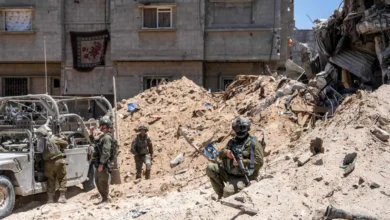
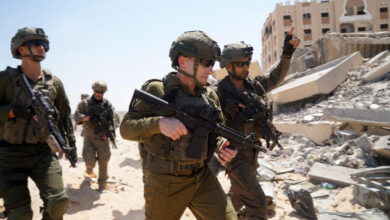
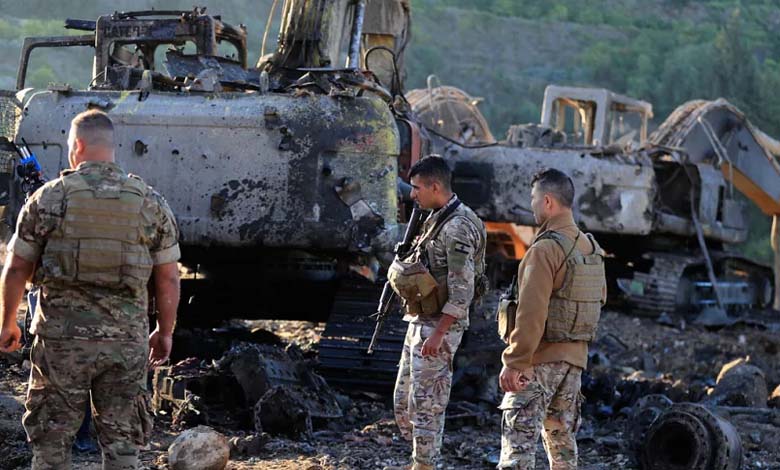
The Israeli army has continued its presence in southern Lebanon and the destruction of homes it claims were used by Hezbollah, while Hezbollah has continued to carry out rocket and drone attacks against Israeli forces in Lebanon and against towns across the border.
Israel responded by expanding its airstrikes inside Lebanon, amid internal pressure on the government to go further, as frustration among Israeli officials grows over the constraints imposed by the Trump administration.
Trump held daily talks with Netanyahu this week, during which the latter informed him that he would be compelled to escalate Israel’s response to Hezbollah’s attacks.
-
Blood diamonds and drugs: Hezbollah’s funding arteries in Europe
-
Through incitement and protests, Hezbollah seeks to obstruct Lebanon–Israel negotiations
Trump said: “I told Netanyahu he must do it more precisely, surgically. Not destroy buildings. He cannot do that. It’s very terrible and makes Israel look bad.” He added that he admires Lebanon and its leadership and believes the country can “rise again.” He also said: “Iran destroyed Lebanon. Its proxy Hezbollah destroyed Lebanon. When Iran is neutralized, Hezbollah will automatically be neutralized.”
Officials in the Trump administration deny that the ceasefire is on the verge of collapse, noting that Hezbollah is not an official party to the agreement and is attempting to undermine it.
A U.S. official said that “Hezbollah’s strategy is clear: provoke, attack, and then blame Israel in order to derail negotiations and tarnish the image of the Lebanese government.”
-
Hezbollah’s weapons… Netanyahu sets the primary objective of negotiations with Lebanon
-
Israel announces the killing of the secretary to the Secretary-General of Hezbollah and his nephew
He added that the United States has asked Israel to “exercise restraint” to allow room for the diplomatic track with Lebanon.
He also noted that the administration intends to increase political pressure on Hezbollah, explore ways to support the Lebanese army in overcoming challenges, and implement these steps quickly.
Pressure to contain Hezbollah
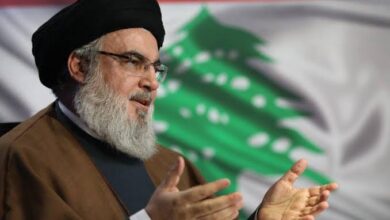
The Lebanese leadership is facing U.S. pressure to isolate and weaken Hezbollah, alongside internal pressure due to the continued Israeli military presence in southern Lebanon, the destruction of villages, and ongoing airstrikes. Hezbollah’s recent attacks are partly aimed at undermining the government because of its decision to engage in direct negotiations with Israel. A senior Lebanese official said that Beirut fears the Israeli military presence could allow Hezbollah to regain its legitimacy as a “resistance against an occupying force.” This week witnessed an unusual public exchange of accusations between Hezbollah leader Naim Qassem and Lebanese President Joseph Aoun, with each accusing the other of betrayal.
-
Washington and Tehran… Hezbollah, the Achilles’ heel of the truce
-
Beirut under fire… Israel expands its strikes against Hezbollah
The White House is eager to launch peace talks between Israel and Lebanon, but the concerned parties are not equally enthusiastic. Trump wants to convene a trilateral summit bringing together Netanyahu and Aoun, but the Lebanese president is unlikely to agree without tangible progress. Firas Maksad, a director at the Eurasia Group, said: “It is difficult to refuse a request from President Trump, but it is also difficult to continue direct negotiations with Israel, let alone meet Netanyahu at the White House, while villages continue to be destroyed and Lebanese casualties continue to fall.”
-
Israel–Hezbollah war: UN concern and European call
-
Iran and Hezbollah carry out simultaneous attacks on Israel