The Peace Council considers Hamas’s weapons an obstacle to Gaza’s reconstruction
The Council states that the international community has pledged around $17 billion to support reconstruction projects, but that the portion actually reaching the Gaza Strip remains limited compared to the scale of needs.
-
Israel officially confirms the death of Hamas’ military wing commander Izz al-Din al-Haddad
-
Hamas and the Muslim Brotherhood: How the war in Gaza reopened the file of the international organization in Washington
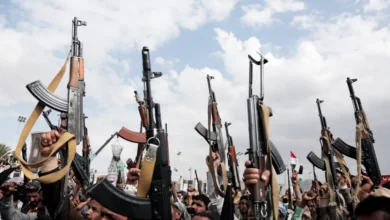
The “Gaza Peace Council” acknowledged, in a briefing submitted to the United Nations Security Council, that the main obstacle to implementing its reconstruction plan lies in the ongoing dispute over Hamas’s weapons and the future of its military and political presence in the territory, amid divergent regional and international positions regarding the shape of the next phase.
According to the briefing, international donors directly link reconstruction funding to security arrangements that would ensure the non-resumption of armed conflict. The Council noted that the continued control of armed factions over the territory raises concerns among investors and supporting states, thereby hindering the transition to a comprehensive reconstruction phase.
The report stated that the international community has pledged approximately $17 billion to support reconstruction projects, but that the funds actually delivered remain limited compared to the enormous needs. Bodies overseeing the plan estimate that the cost of rehabilitating Gaza could exceed $30 billion, given the widespread destruction affecting housing, critical infrastructure, and essential facilities.
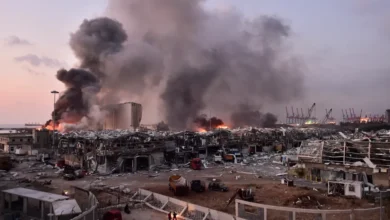
The Council also highlighted that the war has left behind millions of tons of rubble, further complicating reconstruction efforts and delaying the restoration of basic services. Despite a truce lasting several months, the humanitarian situation remains fragile and requires urgent and sustained intervention, according to the report.
-
Accelerated recruitment and control over resources: Israeli intelligence warns of Hamas recovery
-
What happened in the first talks between Washington and Hamas since the Gaza truce?
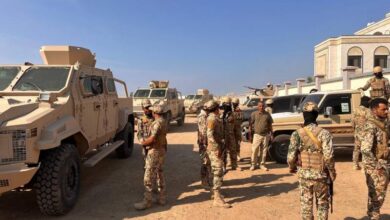
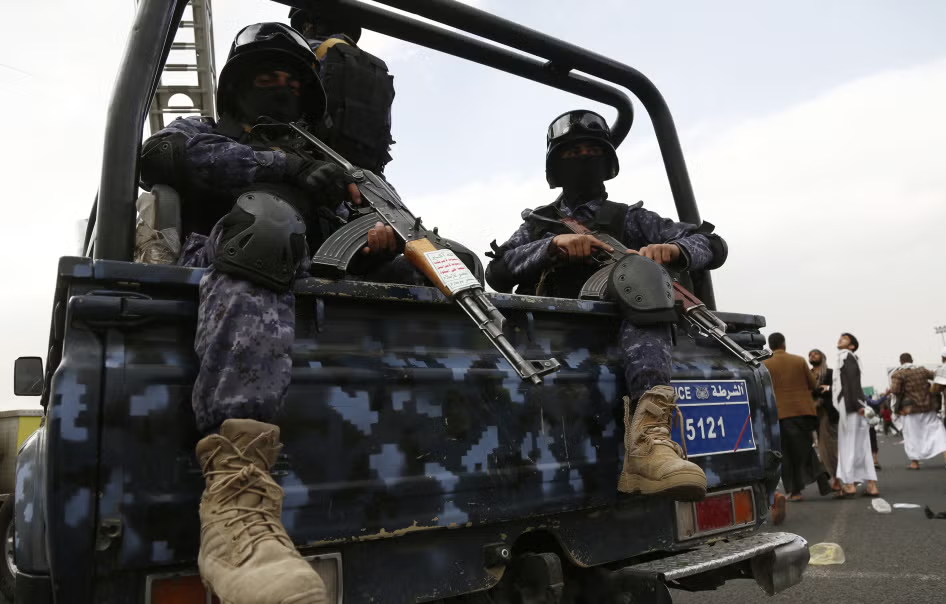
On the security side, the Council revealed ongoing preparations for the deployment of an international stabilization force in Gaza, led by the United States, as part of a plan aimed at preventing a security collapse during the transitional phase. Project-related documents also refer to the registration of large numbers of young Palestinians to join a new police force currently being formed under international supervision.
The Council is promoting a political and security roadmap that includes the reorganization of Gaza’s civil administration through a Palestinian technocratic team responsible for managing public services and institutions, alongside infrastructure reconstruction and the revitalization of the local economy.
-
Benjamin Netanyahu acknowledges difficulty of forming an international coalition to disarm Hamas
-
Hamas refuses to disarm while taking advantage of Israel’s engagement in Lebanon and Iran
However, the project faces reservations and criticism from some Palestinian factions, which argue that it bypasses Palestinian national will, particularly by excluding armed groups from any future role in governing the territory. Opponents believe the plan could pave the way for a form of long-term international administration of Gaza.
Some European capitals have also expressed concerns regarding the mechanisms for forming the Council and the powers granted to it, calling for any future arrangements in the territory to be based on broad Palestinian consensus and balanced international support, in order to avoid externally imposed political solutions during a highly sensitive phase in the history of the Palestinian cause.
-
Hamas’s weapons hinder the Gaza peace plan: sharp disagreements
-
The emoji puzzle… the code used by Hamas reveals the secrets of the October 7 attack
-
Israel Involves Anti-Hamas Militia in the Management of the Rafah Crossing
-
WhatsApp and a hired killer: 55-page document on the Hamas attack turns fire on Netanyahu
-
An Israeli plan to disarm Hamas and new security arrangements at the Rafah crossing
-
Hamas’s plan ahead of disarmament talks: integrating its police forces in Gaza
-
Hamas seeks a settlement to secure the future of thousands of its police members