Forces within the Coordination Framework mobilize in parliament to oust the Speaker
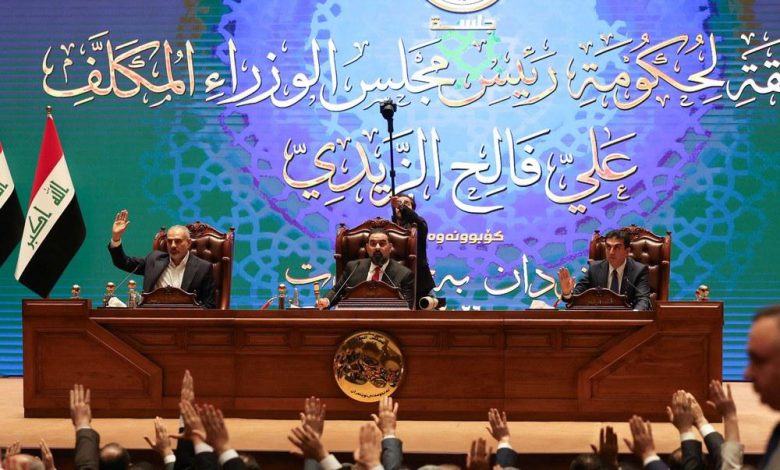
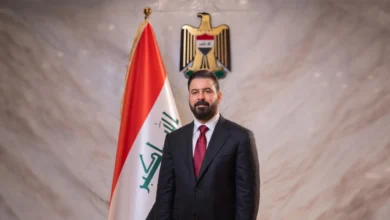
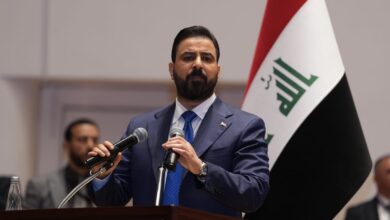
MP Saoud al-Saadi, representing the Coordination Framework, stated that some political forces believe that maintaining the current form of the parliamentary speakership is deepening political division and obstructing understandings between blocs.
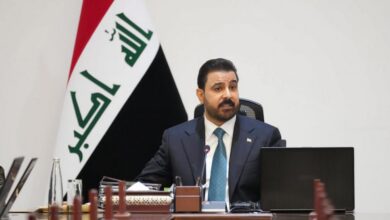
Iraq is witnessing a noticeable escalation of internal disputes within the Council of Representatives, amid moves led by factions within the “Coordination Framework” aimed at reshaping the balance of power under parliament’s dome and forming a new parliamentary alliance. These developments come as criticism intensifies against the Speaker of Parliament, Mahmoud al-Mashhadani, over his handling of the current political phase, reaching calls for his dismissal.
MP Saoud al-Saadi revealed that advanced discussions are underway to form a new parliamentary bloc as a prelude to removing the Speaker, in light of what he described as “hostile policies” pursued by al-Mashhadani over recent months, both in managing parliamentary sessions and in the nature of his political alliances.
He added in a televised interview that some forces now believe that the continuation of the speakership in its current form is exacerbating political fragmentation and hindering agreements between blocs.
He noted that the new political moves may include the State of Law Coalition alongside other actors from inside and outside the Coordination Framework, with the possibility of attracting independent MPs and figures from various alliances, which could grant the movement a substantial number of parliamentary votes, potentially exceeding 140 MPs.
These developments coincide with rising tensions between the Coordination Framework and al-Mashhadani, as Shiite factions accuse him of seeking to consolidate an independent Sunni political influence within state institutions, outside the traditional understandings that have governed relations between political forces for years.
Figures within the Framework argue that the Speaker’s recent positions, particularly regarding the management of voting sessions and certain government formation files, especially his rejection of Nouri al-Maliki as prime minister, reflect a political orientation inconsistent with existing agreements. This has fueled calls to change the parliament’s leadership as part of a broader effort to rebalance legislative power.
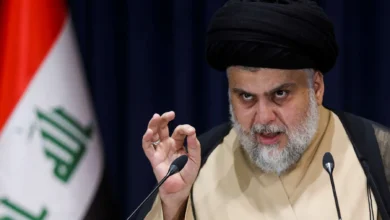
The developments also revive the implications of the “Tripartite Alliance” formed after the 2021 elections, when Mohammed al-Halbousi allied with Moqtada al-Sadr and Masoud Barzani in an attempt to form a majority government—an initiative that was widely rejected by Coordination Framework forces at the time.
Observers believe that continued disputes within parliament could negatively impact the functioning of the government of Ali al-Zaydi, which faces complex political challenges and requires a high level of coordination between the executive and legislative branches to pass key government dossiers in the coming period.
Meanwhile, political circles report growing divisions within parliamentary alliances themselves regarding the future management of the Council of Representatives, with some forces warning that continued disputes could lead to a more complex phase within the legislative institution, especially as sensitive issues approach, including the budget, senior appointments, and governmental understandings.
Estimates also suggest that any move to dismiss the Speaker would not be politically easy due to the entanglement of alliances and overlapping interests among Sunni, Shiite, and Kurdish forces. Nevertheless, parliamentary sources confirm that pressure on the speakership is gradually increasing, as actors within the Coordination Framework seek to impose a new political equation in parliament in the next phase.