Continuous strikes and stalled negotiations: Lebanon trapped in a cycle of escalation
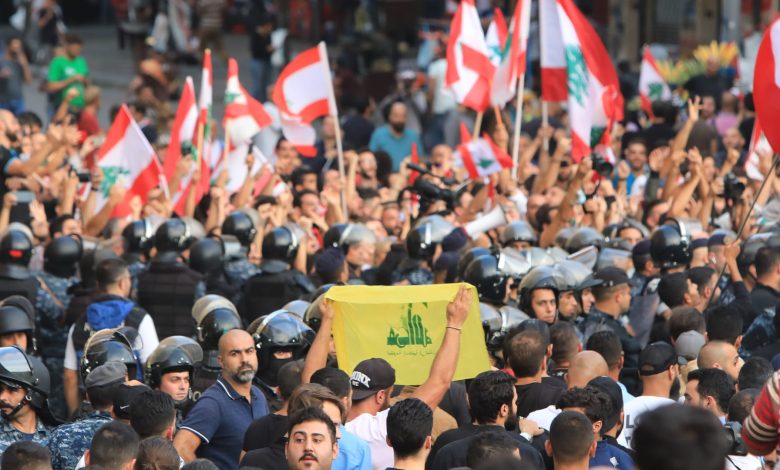
Israel carried out new strikes on southern and eastern Lebanon on Sunday, despite the extension of the truce reached under U.S. mediation following a new round of talks between Lebanon and Israel in Washington.
Prospects for de-escalation appear increasingly complicated as negotiations remain deadlocked and Hezbollah rejects any approach that could affect its weapons or military role, keeping Lebanon caught in an open-ended cycle of escalation amid a suffocating internal crisis.
The official Lebanese National News Agency reported on Sunday that two Israeli strikes targeted the town of Sohmor in the Bekaa region in the east of the country, while other strikes hit towns in the Nabatieh and Tyre regions in southern Lebanon.
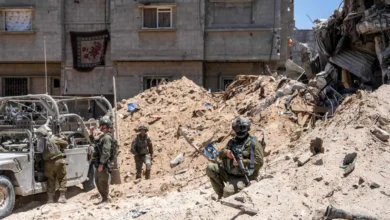
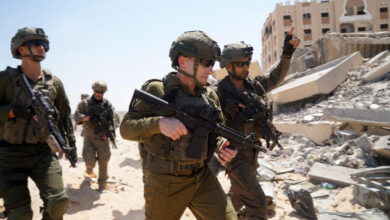
According to Lebanese media, the strikes focused on areas believed to be used by Hezbollah for logistical or military activities, while the Israeli army continues to carry out attacks it says target sites and infrastructure belonging to the group.
This escalation comes after the United States announced on Friday the extension of the ceasefire that came into effect on April 17, following a new round of discussions between Lebanon and Israel in Washington.
Complex negotiations
These talks are the first of their kind in decades between Lebanon and Israel, amid American and international efforts to prevent the confrontation from expanding along Lebanon’s southern border and to turn the temporary truce into more stable security arrangements.
However, the negotiations face growing obstacles, as Hezbollah remains committed to retaining its weapons and rejects any proposals aimed at reducing its military influence or rearranging the security situation in the south without its direct presence.
MP Hussein Hajj Hassan from the group said the negotiations “have reached a dead end,” considering that some of the proposals put forward “will not lead to clear results.”
Exchange of attacks
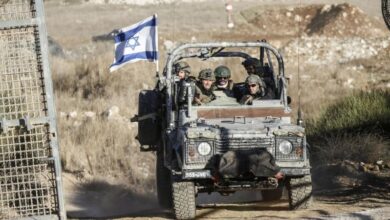
Meanwhile, Hezbollah continues to announce operations against the Israeli army in southern Lebanon and inside Israel.
The continued exchange of strikes keeps the Lebanese-Israeli border on the brink of constant explosion, despite international efforts to contain the escalation.
Lebanese circles also fear that the ongoing tensions could drag the country into a broader confrontation, given the fragility of the internal situation and the declining capacity of state institutions to absorb the security and economic repercussions of the war.
A worsening humanitarian tragedy
Since the outbreak of the war between Israel and Hezbollah on March 2, the clashes have resulted in the deaths of more than 2,900 people in Lebanon, including more than 400 since the truce came into effect, according to Lebanese authorities.
The war has also led to the displacement of more than one million people across the country, in addition to extensive damage to infrastructure, homes, and vital facilities, particularly in southern Lebanon.
With the continuation of the strikes and the stagnation of negotiations, fears are growing that the current ceasefire could turn into a fragile truce liable to collapse at any moment, in the absence of a political and security consensus capable of ending the ongoing escalation.