Libya acquits top figures of Gaddafi’s regime after 15 years of detention
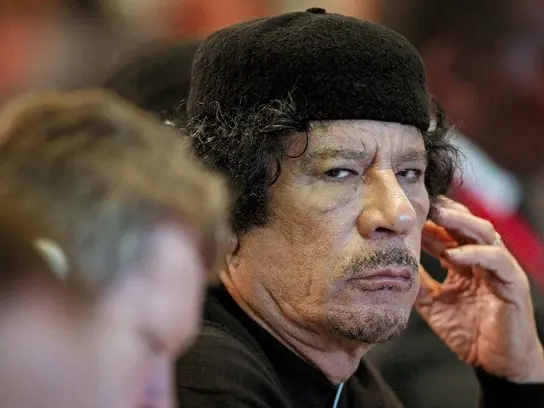
The latest court rulings could open the door to a broad debate on the course of transitional justice in Libya, as the country continues to face deep political and institutional divisions amid stalled national reconciliation efforts.
A Libyan court has brought to a close one of the most prominent cases linked to the events of the 17 February revolution, after the Third Criminal Division of the Tripoli Court of Appeal acquitted 31 senior officials from the former regime of the late leader Muammar Gaddafi. They had been accused of suppressing protesters during the 2011 demonstrations, in a judicial process that lasted nearly fifteen years through trials, appeals, and retrials.
The ruling includes several key figures of the former regime, among them former intelligence chief Abdullah al-Senussi, the last prime minister under Gaddafi, Baghdadi al-Mahmoudi, as well as other officials such as Mansour Dhao, Mohammed Aboulqassem Zwai, and Mohammed Ahmed Al-Sharif.
The court also issued additional acquittals in absentia in the same case, while criminal charges were dropped against several former officials who died before final verdicts were reached, including former external intelligence chief Abu Zayd Dorda and former deputy prime minister Abdulhafiz Zlitni.
The ruling brings back into focus one of the most sensitive files in post-Gaddafi Libya, involving allegations that former regime leaders used force against popular protests in February 2011. These protests later escalated into an armed conflict that led to the fall of the regime and Gaddafi’s death in October of the same year, after more than four decades in power.
In 2015, the Libyan judiciary had initially issued harsh sentences against several defendants, including death penalties and life imprisonment, in a context marked by intense polarization and public anger following the collapse of the regime. However, the Supreme Court later overturned those rulings, citing legal and procedural flaws, and referred the case back to the Tripoli Court of Appeal, which continued reviewing it for more than four years before issuing this final acquittal.
Several defendants had been held for years in prisons in Tripoli and Misrata after being detained during the armed events that followed the revolution. For many Libyans, the case represented a test of the judiciary’s ability to deal with the legacy of the former era outside cycles of political revenge and the divisions that have plagued the country since 2011.
Observers believe the new rulings could trigger a wider debate on transitional justice in Libya, as the country remains deeply divided politically and institutionally, with national reconciliation efforts still stalled and rival power centres continuing to compete for influence.
The acquittals are also expected to generate mixed reactions, with some viewing them as a correction of a long and politicised judicial process, while others see them as the closing of a bloody file without clear accountability.
The ruling comes as Libya continues its attempts to move beyond years of chaos and fragmentation through complex political and security tracks aimed at unifying institutions and reaching a lasting settlement to the crisis that followed the fall of Gaddafi. At the same time, the case highlights the enduring complexities facing the Libyan state, where demands for justice remain intertwined with political tensions and an unresolved memory of conflict.