From conspiracy to influence and financing: Tunisia pursues Muslim Brotherhood networks
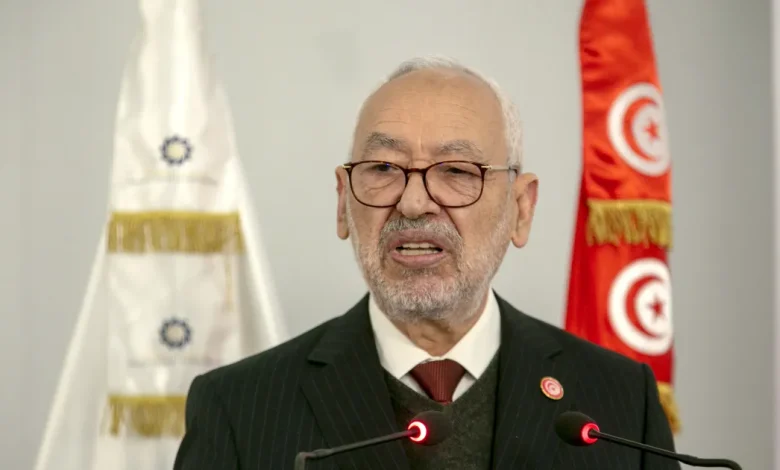
Tunisia continues to tighten the noose around the Muslim Brotherhood through escalating judicial and security measures, this time targeting the networks of influence and financing that formed the backbone of the Ennahdha movement during its years in power.
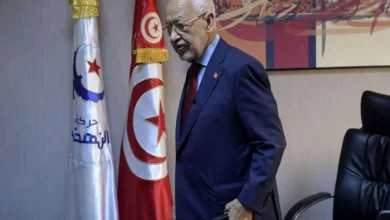
In the latest development, the criminal chamber specialized in financial corruption cases at the Court of First Instance in Tunis sentenced Fawzi Kamoun, former director of the office of Ennahdha leader Rached Ghannouchi, to 14 years in prison after convicting him in cases related to money laundering.
Observers view the ruling as a new blow to the organization in Tunisia, not only because of Kamoun’s position within the movement, but also because the case shifts the confrontation from files of “conspiracy against state security” to cases of financial corruption and suspicious transfers supported by judicial evidence and documentation.
From “conspiracy” to “financial networks”
According to analysts of Tunisian affairs, the ruling against Kamoun goes beyond an individual conviction and reflects the Tunisian state’s transition to a phase of pursuing networks of influence and financing that supported Ennahdha over the past decade.
Kamoun had been arrested in February 2023 as part of a broad investigation campaign targeting several political leaders and former officials.
Tunisian political activist Khaled Beltaheir said that the conviction of Fawzi Kamoun, described as the “black box” and a close associate of Rached Ghannouchi, carries significant political and organizational implications.
He explained that Kamoun “was not merely an administrative employee, but Ghannouchi’s office director, keeper of his secrets, and coordinator of his movements,” considering that his conviction for financial corruption and money laundering “reflects the extent of Ennahdha’s involvement in corruption cases.”
He added that the judicial ruling “is not isolated,” but part of a broader process through which the Tunisian state seeks to dismantle the networks of financial and political influence formed around the movement since 2011.
He emphasized that convicting the top executive official of the movement leader’s office “represents a direct drying up of the sources that managed the movement’s affairs and daily activities.”
Dismantling the Brotherhood’s influence system
For his part, Tunisian political analyst Ziad Kassemi said that Tunisian authorities, through these judicial steps, are seeking to confront corruption and the political and financial influence networks that expanded during the period of Brotherhood governance.
He said that during Ennahdha’s years in power, the country experienced “the spread of corruption and the infiltration of partisan interests within state institutions.”
He affirmed that Tunisian authorities are continuing the accountability process for all those involved in corruption cases, particularly among Ennahdha leaders and their allies.
He noted that Kamoun’s conviction is part of a series of cases targeting several movement leaders, involving files related to foreign funding, a secret apparatus, and sending fighters to conflict zones, stressing that these files “are based on judicial evidence and documentation.”
He added that Tunisian authorities are continuing to dismantle the political and financial networks linked to the Muslim Brotherhood that formed after 2011, considering that the Ennahdha movement “has politically and organizationally ended,” especially after final rulings against several of its prominent leaders.
Who is Fawzi Kamoun?
Fawzi Kamoun is considered one of the prominent Brotherhood figures in Tunisia. His name emerged in the 1980s within the student faction of the “Islamic Tendency Movement,” the former name of Ennahdha.
After the fall of the regime of Zine El Abidine Ben Ali in 2011, Kamoun managed the office of former Ennahdha Secretary-General Hamadi Jebali, who later became the first head of government after the regime’s fall, before being appointed as a member of the Prime Ministry’s cabinet.
He also served as deputy head of the preparatory committee for Ennahdha’s tenth congress, before being appointed in 2016 by Rached Ghannouchi as director of his office, replacing Zubair Chahoudi.
During Ennahdha’s years in power, Kamoun was described as “the man in the shadows” due to his role in managing relations between the party organization and state institutions, and his position as one of the key channels of influence within the Muslim Brotherhood movement in Tunisia.