The Muslim Brotherhood in Tunisia in April: judicial rulings thwart hopes of return and deepen isolation
Trials related to terrorism cases in Tunisia, targeting figures from the Muslim Brotherhood and their allies, as well as terrorist elements, dominated the scene in the African country during the current month of April.
These trials resulted in rulings that brought an end to numerous cases involving prominent leaders of the organization, thereby thwarting the group’s hopes of a return and deepening its political isolation.
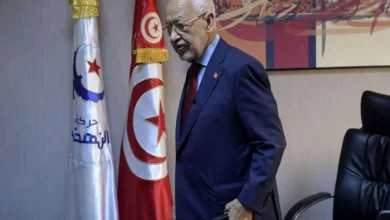
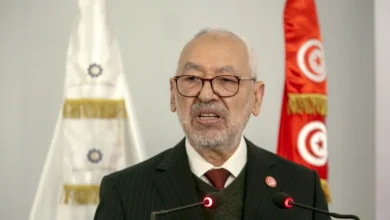
Among the most notable cases are prison sentences of 20 years handed down against the leader of the Ennahdha movement, Rached Ghannouchi, as well as Brotherhood-affiliated figures such as Rafik Abdessalem, Youssef Nouri, Ahmed Mechergui, Maher Zid, and Mohamed Samati. Three-year prison sentences were also issued against Mohamed Koumani and Belkacem Hassan in the case of conspiracy against state security, known in the media as the “Ramadan evening gathering”.
-
The leader of the Muslim Brotherhood in Tunisia and the dialogue maneuver… Exhausted options revive the victimhood narrative
-
Rached Ghannouchi Rejects Remote Trial Appearance: Conspiracy 2 Case Shakes the Muslim Brotherhood in Tunisia
Major cases
The judiciary also issued a 14-year prison sentence along with a financial fine against the politician and Brotherhood ally Khayam Turki on charges related to money laundering and fraud.
Investigations and judicial proceedings also targeted figures such as Sihem Ben Sedrine, former head of the Truth and Dignity Commission, on suspicions of financial corruption, and resulted in the imprisonment of Chawki Tabib, former head of the National Anti-Corruption Authority.
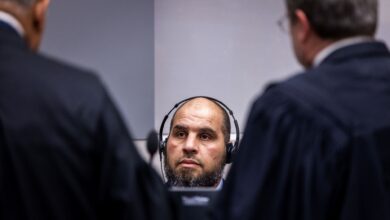
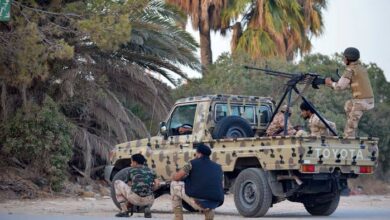
On April 12, the Tunisian judiciary sentenced 15 dangerous terrorist elements from the “Ajnad al-Khilafa Brigade,” affiliated with the Islamic State group, to death by hanging in three terrorism cases. Among them were Osama Khazri, Bahaeddine Chaibi, and Raed Touati, with death sentences also issued against defendants who are at large.
-
As the election date approaches… Muslim Brotherhood in Tunisia intensifies efforts to disrupt
-
Saied is determined to eliminate the Muslim Brotherhood in Tunisia… Details
The 15 individuals faced several charges, including the killing of a shepherd and attacks targeting National Guard patrols in the mountains of Chaambi, Semmama, and Mghila in western Tunisia using explosives and landmines, resulting in the death of several security personnel and injuries to others. They were also charged with detonating a landmine that caused the death of a woman and seriously injured her daughter.
The end of the Brotherhood’s hopes
Tunisian political analyst Khaled Balthaher stated that these rulings and prosecutions have ended the Muslim Brotherhood’s hopes of returning, shattered their ambitions, and deepened their political isolation.
-
Its effects are no less than bombing Palestinian hospitals… Saied speaks about the corruption of the Brotherhood in Tunisia
-
The Ennahdha Movement collapses… Crises hit the Muslim Brotherhood in Tunisia
He confirmed that these judicial measures coincide with legislative initiatives aimed at banning the movement, which were announced last February and are expected to be submitted soon to a vote in the Tunisian parliament.
These rulings also coincided with discussions of a draft law on associations, as the Committee on Rights and Freedoms met on April 8 to hear from the proposing party regarding the draft law regulating associations. This is considered a step toward limiting funding for associations linked to the Muslim Brotherhood and their allies, he said.
-
Painful end for the Brotherhood in Tunisia… demands to dissolve Ennahdha movement after the arrest of Ghannouchi
-
The leaders of the Brotherhood in Tunisia before the judiciary.. The start of the investigations of “Deportation of Terrorist”
He added that most of the movement’s prominent leaders are facing appeal rulings in cases involving charges such as conspiracy against state security, sending fighters abroad, a clandestine apparatus, and political assassinations.
Regarding the impact of measures taken by the Tunisian authorities against the Muslim Brotherhood, including the continued closure of the central and regional headquarters of the Ennahdha movement, the banning of public meetings, and the freezing of the financial assets of the party and its affiliated individuals, the analyst stated that these measures have led to a complete paralysis of the group’s ability to mobilize on the ground and exert political influence, which has been reflected in all the protest movements it has recently called for.
-
After the failure of the Brotherhood in Tunisia.. Is Kais Saied ending the legacy of Ennahdha and its corruption?
-
Ghannouchi before the courts… Terrorism Surrounds the Head of the Brotherhood in Tunisia
-
Seeking support abroad: desperate attempts by the Muslim Brotherhood to return to the scene in Tunisia
-
National reconciliation: a maneuver by Tunisia’s Muslim Brotherhood to break isolation and evade accountability
-
The dance of the slaughtered rooster: Tunisia’s Muslim Brotherhood seeks a return through the Iranian gateway