Do tomatoes, eggplants, potatoes, and peppers really cause inflammation?
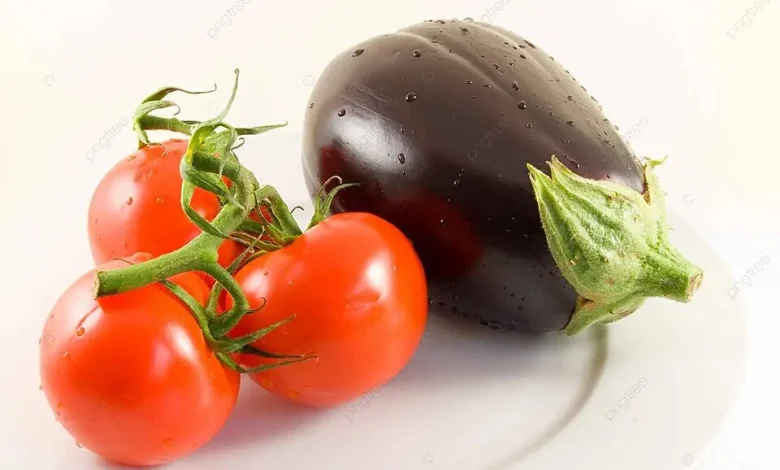
Tomatoes, eggplants, potatoes, and peppers are important components of many cuisines around the world. Rich in vitamins, fiber, and various plant compounds, these foods are often associated with a balanced diet. However, in recent years, some nutritional theories have claimed that these vegetables may promote inflammation in the body and worsen certain chronic diseases, particularly joint pain and autoimmune disorders. These claims mainly concern vegetables belonging to the nightshade family. But what does science actually say about this complex issue?
Understanding inflammation in the body
Inflammation is a natural immune response to infection, injury, or harmful stimuli.
In the short term, it plays an essential protective role in tissue repair and defense mechanisms.
Acute versus chronic inflammation
Acute inflammation is generally temporary and beneficial. In contrast, prolonged chronic inflammation may contribute to the development of metabolic, cardiovascular, and autoimmune diseases.
Nutrition may influence certain inflammatory processes.
What are nightshade vegetables?
Tomatoes, eggplants, potatoes, and peppers belong to the botanical nightshade family.
This family also includes other plants containing natural compounds produced as defense mechanisms against environmental threats.
Why are these foods criticized?
Some theories suggest that substances found in nightshades may promote inflammation in certain sensitive individuals.
The debate often focuses on natural alkaloids such as solanine.
Solanine: a natural compound
Solanine is a substance naturally present in some nightshade plants.
In very large amounts, it may become toxic, but the concentrations found in commonly consumed foods are generally low.
Green potatoes and dietary caution
Potatoes exposed to light may produce more solanine and develop a green coloration.
These green parts are generally not recommended for consumption because of their bitter taste and higher content of potentially irritating compounds.
Scientific evidence remains limited
At present, scientific research does not clearly demonstrate that nightshade vegetables cause generalized inflammation in most individuals.
For healthy people, these foods are often associated with important nutritional benefits.
The case of inflammatory diseases
Some individuals with inflammatory or autoimmune conditions report subjective improvement in symptoms after reducing nightshade intake.
However, these observations vary greatly from person to person.
The role of individual sensitivity
As with many foods, tolerance may differ between individuals.
Certain digestive or immune sensitivities may explain unusual reactions in some people.
Tomatoes: nutritional richness and antioxidants
Tomatoes contain lycopene, an antioxidant widely studied for its potential cardiovascular benefits.
They also provide vitamin C and various protective plant compounds.
Peppers and vitamin C
Peppers are among the vegetables richest in vitamin C.
This vitamin contributes to immune function and cellular protection against oxidative stress.
Eggplants and dietary fiber
Eggplants provide fiber and several antioxidants beneficial for digestive and metabolic health.
Their low calorie density also makes them popular in balanced diets.
Potatoes: between criticism and reality
Potatoes are sometimes criticized because of their glycemic index depending on cooking methods.
However, they also provide potassium, complex carbohydrates, and certain vitamins when consumed in moderation.
The danger of nutritional oversimplification
Dietary trends sometimes oversimplify highly complex scientific issues.
No single food alone determines the body’s overall inflammatory state.
The importance of overall diet quality
Specialists generally consider the overall quality of the diet more important than any individual food.
A diet rich in vegetables, fiber, fruits, and minimally processed foods remains associated with better metabolic health.
When should medical advice be sought?
Individuals experiencing persistent digestive symptoms or inflammatory disorders should avoid self-diagnosis.
Medical or nutritional guidance can help identify the true causes of symptoms.
Claims that tomatoes, eggplants, potatoes, and peppers systematically cause inflammation are not strongly supported by current scientific evidence. For most people, these foods instead provide beneficial nutrients, fiber, and antioxidants that support overall health.
Nevertheless, individual sensitivities may exist, particularly among people with certain inflammatory conditions. Rather than systematically eliminating these foods, a personalized and balanced approach remains the most reasonable strategy for maintaining long-term health.