Should You Wash Chicken Before Cooking? A Nutrition Specialist Explains the Truth
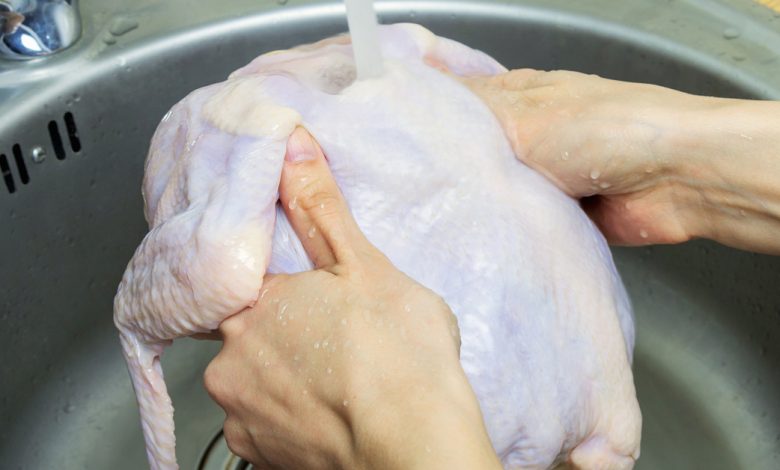
In many households around the world, washing raw chicken before preparation is a deeply rooted habit. Some people believe this practice removes bacteria, impurities, or residues from the surface of the meat. Others consider it an essential step for maintaining food hygiene. However, food safety authorities, nutrition experts, and public health specialists now agree that this practice is not only unnecessary but may actually increase the risk of contamination in the kitchen.
This recommendation often surprises the public because it contradicts culinary traditions that have been passed down through generations. Nevertheless, modern scientific knowledge helps explain what truly happens when raw chicken is rinsed under running water.
Why Do People Wash Chicken?
The practice is generally based on several beliefs.
Some individuals want to remove traces of blood, odors, or visible residues.
Others assume that water eliminates bacteria from the meat’s surface.
While these motivations are understandable, they do not always reflect microbiological reality.
Bacteria Found on Raw Chicken
Like other raw meats, chicken may naturally carry bacteria acquired during production and processing.
Among the best-known microorganisms are species capable of causing foodborne illness.
Their presence does not automatically make the meat dangerous if it is handled and cooked properly.
Why Isn’t Water Enough to Remove Bacteria?
Contrary to popular belief, rinsing chicken under water does not destroy bacteria.
Many microorganisms remain attached to the meat even after washing.
Furthermore, cold or lukewarm water does not reach temperatures capable of eliminating harmful pathogens.
The Main Risk: Invisible Splashes
The greatest danger associated with washing chicken is not the chicken itself but the spread of microorganisms throughout the kitchen.
When water strikes raw meat, tiny droplets can be dispersed around the sink area.
These splashes are often invisible to the naked eye.
Cross-Contamination
Cross-contamination occurs when bacteria move from one food or surface to another.
Water droplets may reach:
- Kitchen countertops.
- Cooking utensils.
- Towels and cloths.
- Nearby fruits and vegetables.
- The cook’s hands.
This contamination significantly increases the risk of foodborne illness.
What Do Specialists Recommend?
Food safety experts generally advise against washing raw chicken before cooking.
They consider proper cooking to be the most effective method for eliminating potentially harmful bacteria.
The Essential Role of Cooking
Heat provides the most reliable protection against foodborne pathogens.
Thorough cooking destroys most bacteria responsible for foodborne infections.
Therefore, cooking temperature is the primary factor that ensures food safety.
Why Do These Traditions Persist?
For much of history, access to refrigeration and modern sanitation standards was limited.
In certain historical contexts, washing meat addressed legitimate concerns about visible cleanliness.
These practices were then passed from generation to generation.
Cultural Differences
In many cultures, washing chicken remains an almost automatic step in meal preparation.
Modern scientific recommendations may sometimes appear to conflict with traditional habits.
However, they are based on research focused on microbiological safety.
Are Lemon, Vinegar, or Salt More Effective?
Some people wash chicken using lemon juice, vinegar, or salt.
Although these ingredients may affect the smell or texture of the meat, they do not replace proper cooking as a food safety measure.
How to Handle Chicken Safely
Specialists recommend several simple precautions:
- Keep chicken refrigerated until use.
- Use a clean cutting board.
- Avoid contact with ready-to-eat foods.
- Wash hands thoroughly after handling raw chicken.
- Clean preparation surfaces carefully.
The Importance of Hand Hygiene
Hands are among the primary vehicles of contamination.
Thorough washing with soap and water after handling raw chicken significantly reduces risks.
Kitchen Utensils
Knives, cutting boards, and containers used for raw meat should be thoroughly cleaned before reuse.
This precaution limits bacterial spread.
Proper Chicken Storage
Improper storage encourages bacterial growth.
Maintaining the cold chain remains essential for preserving food safety.
Common Kitchen Mistakes
Certain practices increase contamination risks:
- Leaving raw meat at room temperature for extended periods.
- Using the same utensils for raw and cooked foods.
- Neglecting surface cleaning.
These mistakes are often more dangerous than failing to wash chicken.
Symptoms of Foodborne Infection
Foodborne illness may cause:
- Abdominal pain.
- Nausea.
- Vomiting.
- Diarrhea.
- Fever.
Severity varies depending on the individual and the pathogen involved.
The Most Vulnerable Populations
Young children, older adults, pregnant women, and immunocompromised individuals generally face higher risks of complications.
Food safety is particularly important for these groups.
What Scientific Studies Show
Research conducted by food safety organizations demonstrates that washing chicken increases the spread of bacteria throughout the kitchen environment.
Proper cooking, on the other hand, effectively reduces this risk.
A Matter of Food Education
Providing reliable scientific information helps people adopt safer cooking practices.
Understanding contamination mechanisms plays a key role in preventing foodborne illness.
Contrary to a widespread belief, washing raw chicken before cooking does not improve food safety. On the contrary, this practice may increase bacterial spread through invisible splashes and cross-contamination within the kitchen.
The most effective way to make chicken safe for consumption remains thorough cooking combined with proper hand hygiene, clean utensils, and sanitized preparation surfaces. Food safety specialists consistently emphasize the same message: avoid washing raw chicken and focus instead on proper handling and cooking practices.