U.S. Pressure Deepens Divisions Within Iran’s Decision-Making Circles
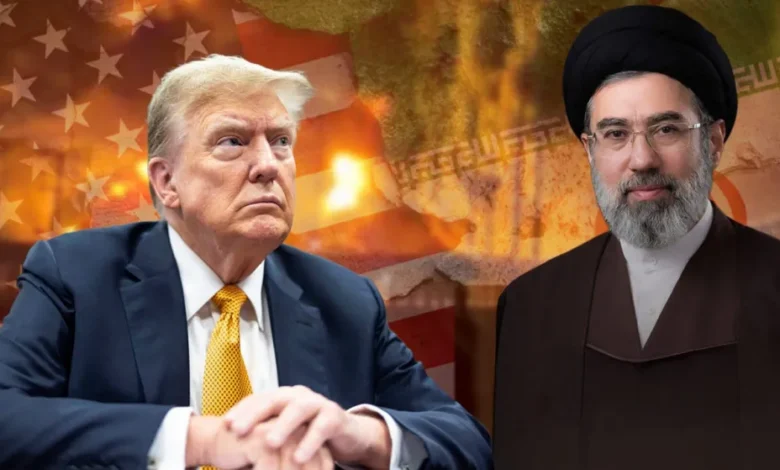
The hardline faction, led by figures closely associated with the Islamic Revolutionary Guard Corps (IRGC) and the country’s security establishment, believes that any retreat in the face of the United States would be interpreted as a strategic defeat.
Divisions within Iran’s decision-making circles are intensifying under mounting U.S. military and economic pressure. Two principal factions have emerged over how to address the current crisis. While the hardliners advocate escalating the confrontation and using the Strait of Hormuz as a strategic instrument of pressure, the pragmatic camp argues that continued escalation could plunge the country into an even deeper economic crisis and supports pursuing a political settlement capable of easing international pressure, according to a report by The Wall Street Journal.
This debate comes as Iran faces an increasingly severe economic blockade and growing military pressure, making the leadership’s strategic choices more complex than ever.
According to the American newspaper, the hardline faction is led by figures affiliated with the Islamic Revolutionary Guard Corps and the security establishment. They believe that any concession to Washington would be viewed as a strategic defeat and therefore advocate intensifying the confrontation while maintaining control over the Strait of Hormuz, which they regard as Tehran’s most significant deterrence tool against the United States.
By contrast, the pragmatic camp warns that the Iranian economy can no longer withstand additional sanctions or further military escalation, particularly amid soaring inflation, declining oil revenues, and the continuing depreciation of the national currency. Under these conditions, seeking a political solution has become a necessity rather than merely an option.
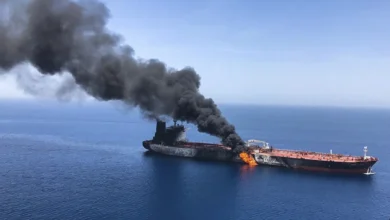
The Strait of Hormuz remains the world’s most critical energy transit corridor, leading hardliners to regard it as an effective means of increasing the economic cost of U.S. pressure on the global economy.
They argue that maintaining the threat of closing the strait or controlling maritime traffic provides Iran with greater negotiating leverage than conventional diplomatic talks, especially as this strategic asset has become more influential than the nuclear issue in the current balance of the conflict.
Pragmatists, however, contend that relying permanently on this strategy could trigger stronger U.S. military responses while further deepening Iran’s economic and diplomatic isolation.
The political divide coincides with a rapidly deteriorating economic situation caused by tighter U.S. sanctions and intensified efforts to target Iran’s oil export networks.
Economic assessments indicate that high inflation, rising unemployment, declining oil revenues, and increasing difficulties in importing essential goods are placing mounting pressure on the government. Iranian officials also fear growing public dissatisfaction if the crisis continues for an extended period.
Observers believe these internal divisions could make any negotiations with the United States considerably more complicated, as the Iranian negotiating team would have to balance the demands of the pragmatic camp with pressure from hardliners. Any concession involving the Strait of Hormuz or the nuclear program would likely face strong resistance from the Revolutionary Guards, who view the preservation of Iran’s regional leverage as essential to the regime’s survival.
Pragmatists, on the other hand, argue that reaching a limited understanding with Washington could ease sanctions, provide the economy with an opportunity to recover, and help contain growing domestic tensions.
This internal dispute carries several important implications. It demonstrates that U.S. pressure is beginning to affect the cohesion of Iran’s decision-making institutions and highlights differing priorities between the security establishment, which emphasizes military deterrence, and the political leadership, which prioritizes economic recovery.
It also suggests that the future of U.S.-Iran relations will depend not only on diplomatic negotiations but also on the internal balance of power within the Iranian political system. Furthermore, it underscores that the Strait of Hormuz has become the central point of contention between Tehran and Washington and remains Iran’s most significant bargaining chip at the present stage.
In light of these developments, three possible scenarios emerge. The first is the dominance of the hardliners, leading to continued escalation and the sustained use of the Strait of Hormuz as a pressure tool, potentially resulting in harsher sanctions or additional military responses.
The second scenario envisions the rise of the pragmatic camp through limited understandings with Washington that would alleviate economic pressure without requiring major strategic concessions.
The third—and currently the most likely—scenario is the continuation of the internal division, with Tehran simultaneously pursuing military escalation while keeping diplomatic channels open in an effort to maximize its political and economic gains.