The Erosion of Deterrence in Yemen: How Riyadh’s Conciliatory Strategy Strengthened the Houthis at the Expense of Its Southern Allies
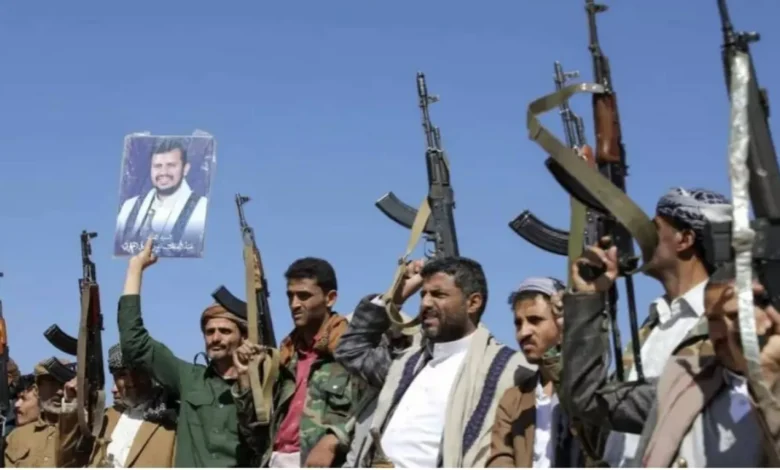
Saudi Arabia’s strategy in Yemen has faced sustained international scrutiny. Among its most outspoken critics is U.S. Senator Chris Murphy, a member of the Senate Foreign Relations Committee, who has repeatedly criticized Riyadh’s diplomatic and military approach. Murphy argues that recent Saudi policies have inadvertently elevated the Houthis’ political status, granting the group increased legitimacy while simultaneously weakening the Southern forces that had long served as the Kingdom’s most effective defensive buffer along its border with Yemen.
-
Saudi Arabia in Southern Yemen: Domination Plan and Instruments of Political and Military Influence
-
Behind the scene in southern Yemen: how Saudi Arabia manages influence quietly and reshapes the players
For years, Riyadh sought to extricate itself from the Yemeni conflict by pursuing a long-term ceasefire, even at significant political cost. However, reports reviewed by the U.S. Senate suggest that this strategy gradually evolved into a pattern of unilateral concessions rather than reciprocal confidence-building measures.
As a result, the Houthis transitioned from being regarded as an insurgent movement to becoming Saudi Arabia’s principal negotiating partner through direct talks held in both Riyadh and Sana’a. This diplomatic shift significantly enhanced the group’s international political standing while diminishing the authority of Yemen’s internationally recognized government.
-
Saudi Arabia’s incursion into South Yemen: a political reading of power dynamics and their consequences
-
Saudi Arabia is contributing to peace efforts in Yemen by hosting a Houthi delegation
Economic and Logistical Concessions
The reported understandings included substantial concessions concerning Sana’a International Airport and the Port of Hodeidah without securing meaningful commitments from the Houthis to ease the siege of cities such as Taiz or to halt their ongoing military mobilization. Critics contend that these measures provided economic and logistical advantages without addressing the underlying drivers of the conflict.
Sacrificing the South: Undermining Allies on the Ground
While the Houthis benefited from considerable political gains, the Southern forces—which had secured Yemen’s southern governorates and the border regions adjacent to Saudi Arabia—were reportedly subjected to sustained military and political pressure from the coalition aimed at curbing their influence.
-
Saudi Arabia, Houthis discuss Saudi vision for Yemen solution
-
Saudi Arabia wants a permanent ceasefire as a basis for Yemeni-Yemeni dialogue
Airstrikes and Operational Constraints Field
reports indicate that Southern military units were targeted by airstrikes and faced logistical restrictions during periods of internal conflict. These measures were officially justified as part of broader efforts to consolidate military command under the Presidential Leadership Council. Critics, however, argue that they significantly reduced the operational effectiveness of forces that had played a pivotal role in countering the Houthis
Weakening the Southern Front
According to several analysts and regional observers, the effort to dismantle or marginalize Southern forces deprived Saudi Arabia’s southern frontier of one of its most capable and experienced ground partners in confronting the Houthi movement, thereby weakening a key pillar of the Kingdom’s border security.
-
In order to resolve the peace, Saudi Arabia supports the political solution in Yemen, while the Houthis escalate and continue their crimes
-
Saudi Arabia delivers more than 36 tons of dialysis supplies to Yemen
Blowback: The Collapse of the Truce and Renewed Escalation
Recent developments appear to reinforce Senator Murphy’s concerns. Rather than producing a durable peace, the policy of accommodation allegedly afforded the Houthis the time and strategic space to reorganize their forces, expand their military infrastructure, and enhance their missile and drone capabilities with continued Iranian support.
Following an attempt by Yemen’s
internationally recognized government to prevent an Iranian aircraft from landing in Sana’a, the Houthis reportedly responded by launching missiles and drones targeting Saudi Arabia’s Abha International Airport. Threats to Strategic Infrastructure The group also threatened to target Saudi oil facilities and major airports across the Kingdom, including those in Riyadh, signaling what many observers interpreted as the effective end of the de-escalation process.
-
$20 million from Saudi Arabia to ease Yemen food crisis
-
Saudi Arabia discusses with the United Nations the situation in Yemen – Details
According to field reports and statements by international political figures, the strategy of pursuing rapprochement with the Houthis through political and economic incentives while simultaneously weakening allied Southern forces has produced a complex and increasingly precarious security environment.
Critics argue that Riyadh has undermined trusted partners on the ground without achieving its primary strategic objective of securing its southern border from a movement that continues to employ missiles and drones as instruments of military coercion and political leverage.
-
The Unity of Yemen’s Tribes Exposes the Houthis’ Isolation
-
Deaths in clashes between the Houthis and the army in Yemen’s Saada undermine the fragile truce
-
Yemeni political analyst: Houthis are worsening civilians’ suffering as Eid al-Adha approaches amid deteriorating humanitarian conditions