U.S. Senator: Saudi Arabia Empowered the Houthis and Conferred Political Legitimacy Upon Them at the Expense of Its Southern Allies
Saudi Arabia’s strategic recalibration in Yemen—from a military-centric approach to one centered on de-escalation and direct engagement with the Houthi movement—represented far more than a mere shift in conflict management. It constituted a profound strategic turning point that fundamentally reshaped the balance of power within the country.
-
In order to resolve the peace, Saudi Arabia supports the political solution in Yemen, while the Houthis escalate and continue their crimes
-
Sabotage and destruction.. Houthi militia target Aramco and oil installations in Saudi Arabia
While Riyadh sought to extricate itself from a conflict that had imposed considerable military and economic burdens since 2015, numerous observers contend that this policy yielded consequences contrary to its original objectives. In their assessment, it reinforced the Houthis’ political and military standing while simultaneously eroding the influence of southern forces aligned with Saudi Arabia.
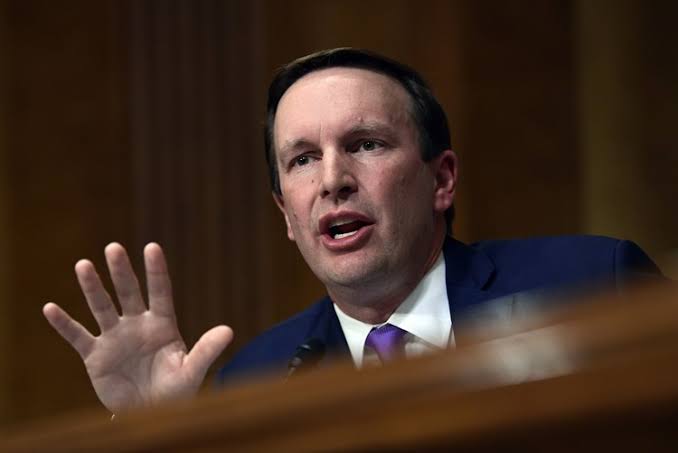
These criticisms gained renewed prominence following remarks by U.S. Senator Chris Murphy, a member of the Senate Foreign Relations Committee, who asserted that Saudi Arabia had “elevated the Houthis and granted them political value” by extending concessions and engaging in direct negotiations with the group, even as southern forces—widely regarded as the principal bulwark against Houthi expansion—were subjected to mounting political and military pressure.
-
Arab Coalition successfully intercepts and destroys drone launched by Houthi targeting Saudi Arabia
-
Arab parliament warns of dangerous escalation of Houthi against UAE and Saudi Arabia
From Military Intervention to Diplomatic Engagement
After years of military operations failed to produce a decisive outcome, Riyadh gradually embraced a strategy of de-escalation, opening direct channels of communication with the Houthis in Sana’a, Riyadh, and Muscat. The stated objective was to secure a durable agreement capable of ending cross-border attacks and safeguarding the Kingdom’s southern frontier.
Critics argue, however, that this diplomatic initiative conferred unprecedented political legitimacy upon the Houthis by establishing them as an indispensable interlocutor in regional negotiations, while the internationally recognized Yemeni government and other anti-Houthi factions witnessed a steady erosion of their political relevance.
According to several analysts, the mere fact that the Houthis negotiated directly with Saudi Arabia as the dominant actor in Yemen constituted a significant political triumph, further entrenching their position as an essential stakeholder in any future political settlement.
-
The official Saudi Press Agency: Arab Coalition intercepted and destroyed Houthi ballistic missile targeting Saudi Arabia
-
The Erosion of Deterrence in Yemen: How Riyadh’s Conciliatory Strategy Strengthened the Houthis at the Expense of Its Southern Allies
Concessions Without Reciprocity
During the period of de-escalation, Houthi-controlled territories benefited from the relaxation of restrictions on flights through Sana’a International Airport, increased operational flexibility at the Port of Hodeidah, and negotiations concerning public-sector salary payments and broader economic measures.
Critics of Saudi policy argue, however, that these concessions were not accompanied by any substantive changes in Houthi conduct. The movement retained its military capabilities, continued its recruitment and mobilization campaigns, and demonstrated little willingness to advance key humanitarian and political initiatives, including reopening the roads to Taiz or engaging meaningfully in a comprehensive peace process.
-
Sen. Chris Murphy: Saudi Arabia’s Yemen Policy Strengthened the Houthis at the Expense of Its Allies
-
Saudi Intervention in Southern Yemen: Strategic Repositioning Amid Accelerating Regional Shifts
The South: The Ally That Bore the Cost
Meanwhile, southern forces—which had spearheaded prolonged military campaigns against the Houthis and regained control over the majority of Yemen’s southern governorates—came under increasing political and military pressure as part of broader efforts to restructure Yemen’s armed forces and consolidate the chain of command under the Presidential Leadership Council.
Southern officials maintain that these measures curtailed their operational effectiveness and diminished their military influence precisely as the Houthis were exploiting the ceasefire to reorganize and reinforce their capabilities.
Several observers further argue that the weakening of southern forces had direct implications for Saudi Arabia’s border security, given their longstanding role as one of the Kingdom’s principal ground partners in countering Houthi advances.
-
Saudi Intervention in Southern Yemen: Between Security and Influence
-
Saudi Ambitions in Southern Yemen and Shifts in Regional Politics
A Ceasefire That Facilitated Military Consolidation
As large-scale military operations subsided, the Houthis reportedly used the relative calm to rebuild their military infrastructure and enhance their missile and drone capabilities, according to multiple Western intelligence assessments and analytical reports.
Experts contend that the prolonged period of reduced hostilities afforded the movement sufficient time to reorganize its command structure, modernize its military capabilities, and expand its logistical networks. This, they argue, translated into heightened threats not only to Saudi Arabia but also to international maritime security in the Red Sea.
-
Saudi Influence in Southern Yemen Between Strategy and Regional Security
-
Saudi Arabia in Southern Yemen: Domination Plan and Instruments of Political and Military Influence
The Resurgence of Escalation
As political negotiations reached an impasse, military tensions once again intensified. The Houthis renewed threats against Saudi airports and strategic oil infrastructure, while drone and missile attacks became increasingly frequent.
The movement also broadened its operations in the Red Sea by targeting commercial shipping, further internationalizing the Yemeni conflict and adding a new layer of regional and global complexity.
According to numerous analysts, these developments underscore the limitations of a strategy predicated primarily on de-escalation in the absence of credible and enforceable guarantees capable of preventing the resumption of hostilities.
-
Saudi ambitions unveil the reshaping of influence in southern Yemen
-
Saudi intervention in southern Yemen between security concerns, reshaping influence, and shifts in regional policy
A New Strategic Balance
Critics of Saudi Arabia’s approach argue that extending political and economic incentives without securing reciprocal commitments fundamentally altered Yemen’s internal balance of power.
In their view, the Houthis emerged from the de-escalation period more cohesive, militarily stronger, and politically more influential, whereas Riyadh’s allies experienced a gradual erosion of their leverage, thereby reshaping the deterrence equilibrium that had characterized the early years of the conflict.
-
Saudi intervention in southern Yemen: from conflict management to the creation of a new political reality
-
Southern Yemen in regional calculations: how Saudi intervention shifted from supporting stability to managing disorder
Conversely, proponents of dialogue contend that Saudi Arabia was pursuing a pragmatic and realistic exit from a protracted and costly war, arguing that the continuation of military operations offered little prospect of producing more favorable outcomes.
Nevertheless, with security threats once again intensifying along Saudi Arabia’s southern frontier and across the Red Sea, a central question continues to dominate strategic and political debate: Did Saudi Arabia’s de-escalation strategy ultimately strengthen the Kingdom’s security, or did it instead provide the Houthis with the opportunity to consolidate their power while Riyadh’s allies experienced a steady decline in their influence on the ground?
-
Policies of tutelage and the production of fragility: how Saudi intervention pushes the South to the brink of permanent chaos
-
Saudi intervention in southern Yemen: reshaping power between influence and chaos