Excessive Consumption of Hot Peppers May Increase the Risk of This Cancer
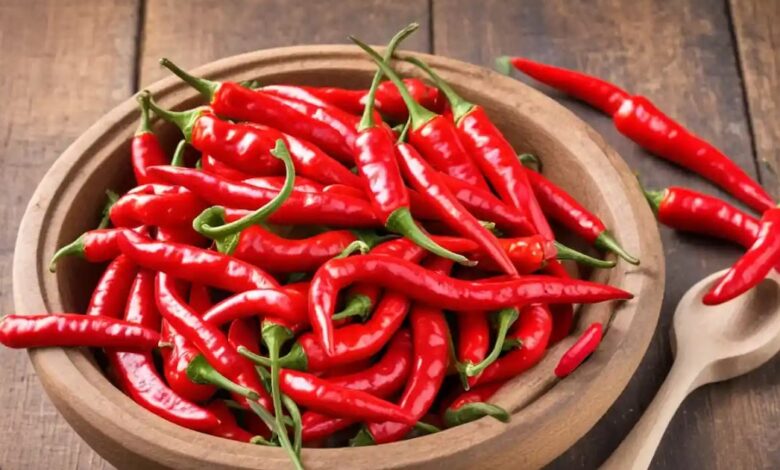
Hot peppers are an important part of many cuisines around the world. Their characteristic heat comes mainly from capsaicin, a natural compound that stimulates heat and pain receptors in the mouth and digestive tract. When consumed in moderate amounts, spicy peppers can easily be part of a balanced diet. However, some research has examined whether very high and frequent consumption of spicy foods could have potential effects on digestive health.
Capsaicin is responsible for the burning sensation associated with spicy foods. After consumption, it activates receptors such as TRPV1, which are involved in detecting heat and pain. This stimulation can produce a sensation of warmth, sweating, increased digestive secretions, and, in sensitive individuals, stomach discomfort or burning.
The possible relationship between high consumption of spicy foods and certain digestive cancers is complex. Available research does not allow scientists to simply conclude that eating hot peppers causes cancer. Findings vary depending on the populations studied, the amounts consumed, and other dietary and lifestyle factors.
The condition of the digestive lining is one factor that deserves attention. Very high consumption of extremely spicy foods may cause irritation in some people, particularly those who already experience gastroesophageal reflux, gastritis, or other digestive disorders. However, repeated irritation does not automatically mean that cancer will develop.
Helicobacter pylori is also an important consideration when discussing stomach cancer. This bacterium can cause chronic inflammation of the stomach lining and is a recognized risk factor for certain forms of gastric cancer. Possible interactions between the infection, diet, and high consumption of spicy foods continue to be investigated.
Some studies have suggested that very high consumption of hot peppers may be associated with an increased risk of stomach cancer in certain populations. Other research has not found such a clear association. These differences highlight how difficult it is to separate the potential effect of spicy foods from other factors, including high consumption of salty, smoked, or preserved foods, smoking, alcohol consumption, overall dietary patterns, and Helicobacter pylori infection.
It is also important to distinguish moderate consumption from excessive intake. Adding a small amount of chili to a meal occasionally is very different from consuming large quantities of extremely spicy foods every day. Most people can enjoy spicy foods without significant problems when they tolerate them well.
Hot peppers also have nutritional value. Fresh peppers provide vitamin C and various plant compounds. Capsaicin itself has been extensively studied for its potential biological effects. Experimental research has examined its possible influence on inflammation, metabolism, and certain tumor cells. However, laboratory findings should not be interpreted as proof that capsaicin prevents or treats cancer in humans.
People who regularly experience stomach pain, heartburn, acid reflux, nausea, or digestive discomfort after eating very spicy foods may benefit from reducing their intake and monitoring their symptoms. Persistent pain, repeated vomiting, difficulty swallowing, black stools, or unexplained weight loss, however, should be evaluated by a healthcare professional.
To reduce the overall risk of stomach cancer, it is more useful to focus on established risk factors: avoiding tobacco, limiting excessive alcohol consumption, maintaining a varied diet rich in minimally processed foods, and, when appropriate, testing for and treating Helicobacter pylori infection.
Overall, some studies suggest that very high consumption of hot peppers may be associated with an increased risk of stomach cancer under certain circumstances, but a direct causal relationship has not been established. The potential concern appears to be more relevant to excessive and repeated consumption, particularly when other risk factors are present. Hot peppers can therefore remain part of a balanced diet when consumed in amounts that are appropriate for each individual’s tolerance.