The Battle for Universities: Nation-State Security and Transnational Networks
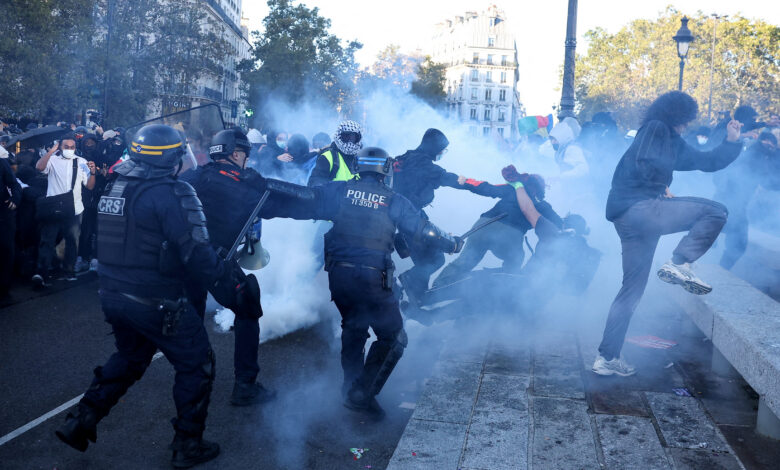
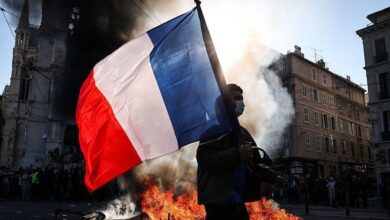
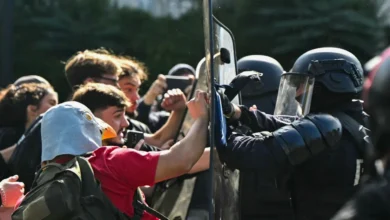
The organised wave of protests led in October 2026 by the Forum of European Muslim Youth and Student Organisations (FEMYSO) and its local arms, such as Étudiants musulmans de France (EMF), raises profound and troubling questions about the future of political stability and security across Europe. It also calls into question the boundaries between student union activism and its political and ideological exploitation by political Islamist groups.
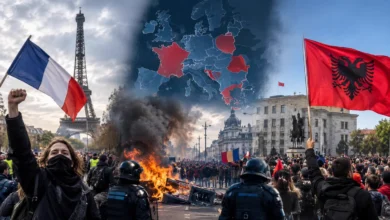
The success of these front organisations in mobilising thousands of students in France, Belgium, Albania, Spain and Greece within a matter of days reveals the extent of their structural penetration of the European university system. They have taken advantage of an atmosphere of freedom and openness, as well as educational institutions’ trust in volunteering and youth engagement.

This entrenched presence confronts European governments with a genuine dilemma: a heavy-handed crackdown on these demonstrations could deepen radicalisation and tensions among young people, while reinforcing the narrative of political victimhood on which the organisation draws to justify its positions. Conversely, silence or leniency towards these mobilisations would allow it to institutionalise its influence and turn universities into strongholds and training grounds for future cadres, while steering young people’s views against the nation-state’s policy choices and its approaches to sovereignty and integration.
These events also confirm that the struggle for influence in Europe has shifted entirely into the realm of soft power, where students and young people represent the critical mass that all sides seek to win over and guide. Recent developments demonstrate that Muslim Brotherhood front organisations possess the staying power and cumulative strategies needed to withstand the legal and security pressures imposed in recent years by countries such as France.
The immediate future will depend largely on the ability of Europe’s political and security leadership to devise comprehensive counterstrategies. These must extend beyond security measures and punitive legislation to offer young Europeans credible and appealing alternatives in student representation and politics. Such alternatives would undercut these organisations’ support and prevent them from exploiting economic and social crises to advance transcontinental political and organisational agendas. The battle now unfolding in universities and schools is therefore becoming a decisive factor in shaping the character of Europe’s social and political contract for decades to come.