Europe Bans a Nail Polish Ingredient Linked to Fertility and Reproductive Health Concerns
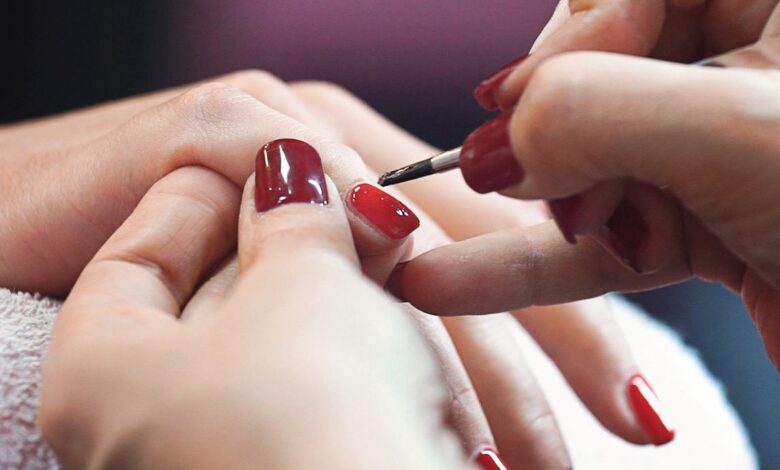
Everyday cosmetic products are increasingly being monitored because some of the chemicals they contain may have potentially harmful effects on health. Certain ingredients used in nail polishes have attracted particular attention because of concerns about their possible effects on hormonal function and reproductive health. European authorities have therefore introduced stricter restrictions on substances considered particularly hazardous.
One of the substances affected by these regulatory measures is trimethylbenzoyl diphenylphosphine oxide, commonly known as TPO. This ingredient has been used in certain gel nail polishes and other products that require curing under a UV or LED lamp. It acts as a photoinitiator, helping the product harden when exposed to an appropriate light source.
The main concern surrounding TPO is its regulatory classification as a substance toxic to reproduction. This classification means that sufficiently significant exposure may pose a risk to reproductive function or development. It does not mean, however, that every previous use of a product containing TPO automatically causes fertility problems.
European regulations apply precautionary measures to certain substances classified as hazardous to reproduction. When a cosmetic ingredient receives a regulatory classification indicating that it is particularly concerning, its use in cosmetic products may be prohibited or significantly restricted under applicable European rules.
The regulatory change is particularly relevant to professional nail technicians, who may be exposed to certain products much more frequently than occasional consumers. Repeated applications, direct contact with products, and exposure to vapors or dust generated during certain procedures may increase occupational exposure.
For consumers, the potential level of exposure depends on factors such as the concentration of the substance, frequency of use, duration of exposure, and the way the product is applied. A regulatory ban should therefore not be interpreted as proof that occasional use of a product previously containing the substance necessarily caused health problems.
Gel nail products also require particular attention because of their application process. They generally need to be cured under a UV or LED lamp and may contain several chemicals capable of causing skin reactions in some individuals. Contact allergies are a recognized concern associated with certain nail products.
To reduce unnecessary exposure, consumers should check cosmetic ingredients and choose products that comply with current regulations. People who work regularly with nail products should also follow recommended ventilation and protective measures in their professional environment.
It is important to remember that European cosmetic regulations are regularly updated as new toxicological evidence becomes available. The restriction or prohibition of one ingredient does not mean that all nail polishes are dangerous. Rather, it reflects regulators’ efforts to reduce population exposure to substances for which a significant health concern has been identified.
Overall, European restrictions on certain nail-polish ingredients highlight the importance placed on cosmetic safety and the protection of reproductive health. TPO has attracted particular regulatory attention because of its classification as toxic to reproduction. For consumers, choosing products that comply with European regulations and using cosmetic products correctly remain important ways to minimize unnecessary exposure to substances of concern.