From Rupture to Rapprochement… France Returns to Chad Through the Quiet Door
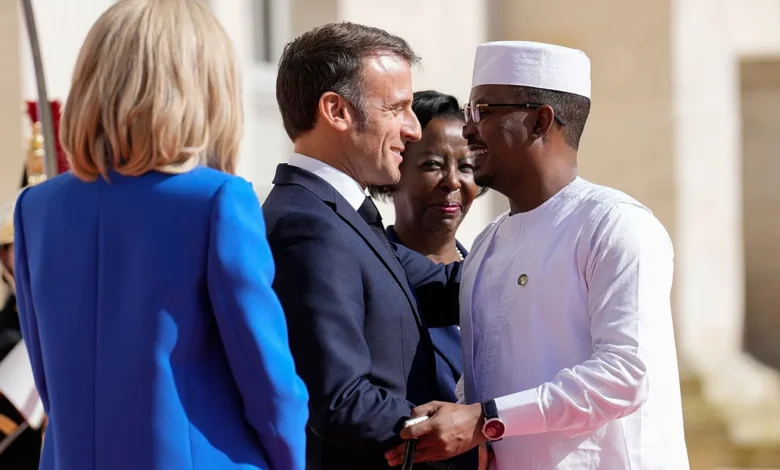
After two years of strained relations between the two countries, Chad and France appear to be moving toward reviving and expanding a long-standing military partnership.
According to an analysis by the Institute for Security Studies (ISS Africa), the rapprochement between the two countries has gained renewed momentum as Chad seeks to diversify its military and security partnerships.
How to manage this renewed cooperation without undermining N’Djamena’s discourse on sovereignty or affecting its relations with Sahel countries remains one of the main issues surrounding France’s return.
A Military Partnership Since Independence
Chad and France have maintained military cooperation since the mid-1960s, following Chad’s independence from France.
Relations were severed between September 1975 and March 1976, before being disrupted again in November 2024. Since March 2026, however, relations between the two countries have returned to a path of rapprochement.
Military cooperation between Paris and N’Djamena was built around shared interests. Chadian officers received training at French military academies and on Chadian territory, while France provided weapons, personal protective equipment, armored vehicles, communications equipment and logistical support.
Paris also provided assistance in intelligence, surveillance and reconnaissance operations across Chad, in addition to participating in military operations and providing political and diplomatic support.
In return, Chad’s geographic position provided France with an advanced base for operations in Central Africa and the Sahel, giving Paris military capabilities and influence in both regions.
The 2024 Rupture: Sovereignty Takes Center Stage
Despite their shared interests, relations between Chad and France have gone through several periods of tension. One of the factors behind the breakdown in relations in 1975 was France’s unilateral decision to take measures aimed at securing the release of a French national kidnapped by rebels, as well as unauthorized overflights of Chadian territory.
In November 2024, Chad announced the termination of its military cooperation with France as part of an effort to reaffirm its sovereignty and seek alternative security partnerships.
The decision came amid a broader regional trend in which several Sahel countries were distancing themselves from France. The Central African Republic moved closer to Russia, while Mali, Burkina Faso and Niger turned toward Moscow after expelling French forces and other Western partners.
The countries belonging to the Alliance of Sahel States, along with Chad and Mauritania, had been members of the G5 Sahel, established in 2014 with French support to strengthen security and development and combat local terrorist groups.
The joint military force was dissolved in 2023 after the Alliance of Sahel States countries severed their ties with France.
Chad Seeks Alternatives
During its period of distancing from Paris, Chad sought to diversify its military cooperation.
An attempt to establish a partnership with Russia did not succeed, while cooperation with Turkey included the acquisition of armored vehicles and drones, as well as training, technical assistance and a Turkish presence in the country.
Since 2021, Chad has signed several security agreements. Hungary has also concluded economic and military cooperation agreements with Chad.
However, the nature of these partnerships differs from the cooperation previously provided by France. The alternatives focus on specific areas such as arms, training, financial and material assistance, whereas French cooperation covered a broader range of military, security and political support.
Security Challenges Drive the Rapprochement
Chad faces persistent security threats, including the repercussions of the war in Sudan, the emergence of the Movement for Peace, Reconstruction and Development, a rebel group operating in the Moyen-Chari province in the south of the country, as well as the continued presence of Boko Haram in the Lake Chad region.
These challenges are pushing Chad to seek greater support for its surveillance, reconnaissance and aerial intelligence capabilities.
At the same time, the growing security challenges facing the countries of the Alliance of Sahel States, which rely on Russian support, make Moscow a less attractive partner for Chad, according to the analysis.
Against this backdrop, closer ties with France offer Paris an opportunity to rebuild its relations in the region. However, France’s return appears likely to take a different form from the previous arrangement.
A Smaller French Presence
France is pursuing an Africa strategy centered on reducing the number of its troops and military equipment.
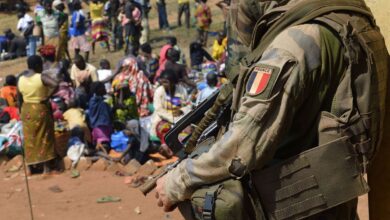
In Chad, France has deployed a contingent of around 600 French troops, compared with approximately 2,300 previously, while also reducing its equipment and material resources.
This smaller footprint could make French cooperation more focused, while leaving Chad free to continue benefiting from partnerships with other countries.
Sovereignty and Relations with Neighboring Countries
France’s return presents a challenge for Chad given its previous emphasis on sovereignty and its decision to end military cooperation with Paris.
According to the analysis, France’s return could be interpreted domestically as a retreat from that position, particularly among young people, and could also affect how Sahel countries perceive Chad.
At the same time, the reduced scale of the French presence allows N’Djamena to continue cooperating with other partners while maintaining greater room for maneuver in its foreign relations.
The analysis also points out that Chad’s stability and security depend on continued efforts to ease domestic political tensions, including the recent presidential amnesty granted to imprisoned opposition leaders, dialogue with rebel movements and improvements in economic governance.
The analysis recommends that Chad continue reassuring neighboring countries about its position toward them, strengthen diplomacy and cooperation, and maintain a neutral stance toward Sudan in order to support efforts to address regional conflicts.