Washington Pressures Baghdad to Join the Economic War Against Iran
Iraqi political forces, including the State of Law Coalition, warn that the country could face a critical financial situation.
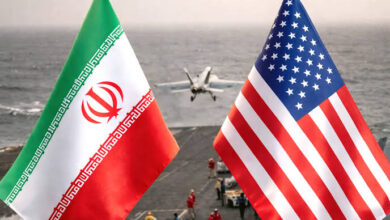
The U.S. State Department has called on Baghdad to fully engage in the economic campaign against Iran by pursuing illicit financial activities, in a message reflecting growing pressure on Iraq to put an end to its transformation into a platform used by Tehran to circumvent sanctions imposed by Washington as part of its efforts to isolate Iran from the global financial system.
Iraqi political forces, including the State of Law Coalition, had warned that the country could enter a “critical financial situation,” amid concerns over the impact of U.S. restrictions on dollar flows and international transfers, according to Shafaq News.
This comes as Iraq seeks to preserve its economic and financial partnership with the United States, at a time when Washington is increasingly concerned about financial activities that turn Baghdad into a conduit for funds and commercial operations linked to Iran, allowing Tehran to mitigate the impact of the sanctions imposed on it.
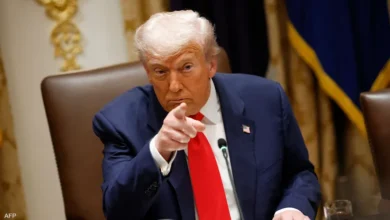
A U.S. State Department spokesperson said that Iraq had embarked on a new path as part of a full partnership with the United States, stressing that Washington supported efforts to prevent Iraqi territory from being used as a platform for attacks and to build a strong economic partnership, in line with what President Donald Trump emphasized during his meeting with Iraqi Prime Minister Ali al-Zaidi in Washington in mid-July.
However, the U.S. position also carried a tougher financial dimension, linking the continuation of support and the partnership to the need to confront illicit financing networks in the region, at a time when the Trump administration has launched a broad campaign aimed at choking off the Iranian regime’s sources of funding and the parties that help it circumvent sanctions.
The U.S. State Department confirmed that the “Economic Outcast” operation targets individuals and entities involved in illegal financial transactions on behalf of the Islamic Republic, particularly those linked to Iranian banks and their financial networks abroad.
The campaign puts Baghdad in a difficult position: on the one hand, Iraq depends on close economic and financial relations with the United States; on the other, it maintains extensive trade relations with Iran, leaving the Iraqi financial system increasingly exposed to pressure as Washington expands its efforts to pursue channels used to circumvent its sanctions.
Under this approach, Washington is pushing to separate the Iraqi economy from Iranian financing networks and to prevent Iraqi banks, companies, and commercial fronts from becoming instruments for transferring funds or circumventing U.S. restrictions.
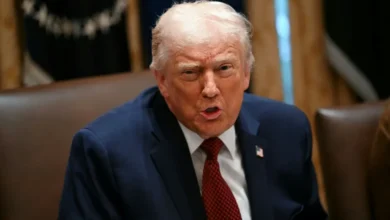
The U.S. Treasury Department had launched the “Economic Outcast” operation against Iran at the direction of President Donald Trump. Treasury Secretary Scott Bessent said that the “unprecedented” campaign targets Iran and “those who enable and support it.”
The U.S. pressure therefore does not appear to be directed solely at Tehran. It also extends to countries and financial systems that could provide it with alternative channels, foremost among them Iraq, which is now being called upon to demonstrate its ability to prevent its economy and financial institutions from being used as a front for circumventing U.S. sanctions imposed on the Islamic Republic.