US Reveals the Truth About Iran’s Claim of Targeting Two Destroyers in the Middle East
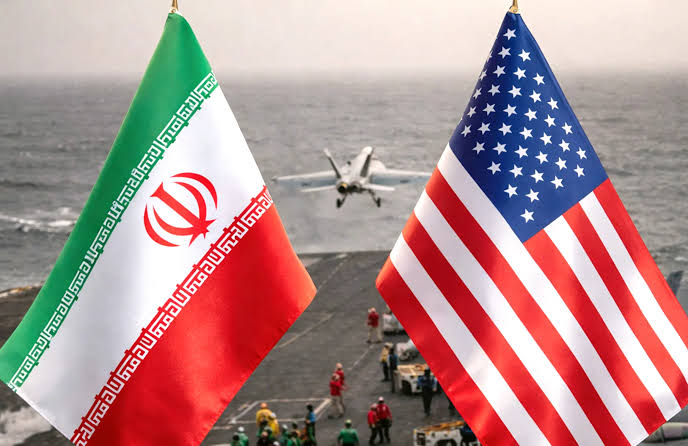
US Central Command (CENTCOM) revealed on Wednesday the truth behind Iran’s claim that it had targeted two destroyers in the Middle East.
In a statement, US Central Command said: “Iran’s Islamic Revolutionary Guard Corps forces claimed that they targeted two US Navy destroyers operating in the Middle East region. This claim is completely false.”
It explained that “no US Navy warship was targeted, as all attempts by Iran’s Islamic Revolutionary Guard Corps to carry out attacks failed”.
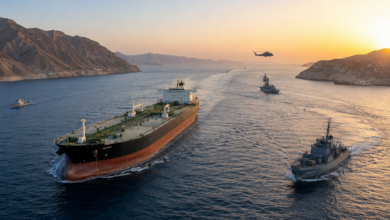
CENTCOM also noted that “US forces succeeded in destroying 10 Iranian oil tankers during the past week alone”.
According to the statement, “these vessels were part of a multibillion-dollar shadow network that provides funding to Iran’s Islamic Revolutionary Guard Corps, while Iran remains unable to protect them”.
-
Tehran threatens to establish a maritime exclusion zone to pressure Gulf states
-
With the help of artificial intelligence… Trump threatens Iran again by targeting Kharg Island
Escalation Continues
On Tuesday, US Secretary of State Marco Rubio said that the United States would continue targeting Iranian tankers with retaliatory strikes, while US Central Command reported that it had destroyed five Iranian vessels on Tuesday alone.
Speaking to reporters during a visit to Colombia, Rubio said: “Iran continues to attempt to strike US ships, and every time it does so, or attempts to do so, it will lose tankers. And I think you will see that happen again every day.”
He also indicated that “the Iranian hand” was behind attacks carried out by the Houthis in Yemen against oil facilities in Saudi Arabia, which left dozens of people injured.
-
Is America Arming the Iranian Opposition? Vance Responds
-
Is Trump planning to end the war against Iran?
Responding to a question about the attacks, he stressed that “the Houthis are, in many ways, instruments and proxies of Iran. And I believe the Iranian hand is clearly behind some of these attacks”.
Iran continues to restrict navigation through the Strait of Hormuz, through which one-fifth of the world’s oil and liquefied natural gas exports normally passed, since the outbreak of the US-Israeli war against Iran at the end of February.
The United States responded to Tehran’s move by imposing a blockade on Iranian ports.
-
Mowing the Grass… What Is Washington Preparing for Iran?
-
Trump Announces Destruction of Iran’s Kharg Island
-
Washington Strikes Kharg as Tehran Attacks U.S. Forces in Jordan
-
Calculated Return of U.S. Diplomats to the Middle East… Has the Iran Front Calmed Down?