Sudanese Pound’s Decline Drives Prices Higher: Citizens and Markets Under Pressure in Port Sudan-Administered Areas
Economic pressure is mounting in Sudan as the local currency weakens and import costs rise, amid a widening gap between demand for foreign exchange and available export earnings. These developments are affecting the prices of essential goods and fuel, as well as transport and production costs, creating growing difficulties for consumers and traders. With the effects of the war and economic disruption continuing, the Port Sudan authorities face a complex task: limiting market volatility, securing essential supplies and addressing the imbalances weakening the Sudanese pound and eroding household purchasing power.
The currency’s decline cannot be separated from Sudan’s broader economic conditions. The war has disrupted extensive productive and commercial activity, affected the movement of goods and services and damaged infrastructure and sources of income. These developments have weakened the economy’s ability to generate resources while the need to import essential products that cannot easily be replaced persists. Securing foreign exchange has consequently become one of the main challenges to maintaining imports and regular market supplies.
Conditions become more difficult when the value of imports exceeds available export earnings. Sudan needs foreign currencies to cover the cost of fuel, wheat, oils, raw materials, machinery and production inputs. Meanwhile, productive sectors’ ability to export is affected by financing, transport and energy problems, as well as disrupted supply chains. This imbalance increases pressure on the foreign exchange market, particularly when insufficient resources are available to meet importers’ needs regularly.
World Bank estimates indicate that Sudan’s economy contracted sharply in 2023 and 2024 because of the war and declining activity across many sectors. Despite indications of a limited recovery in 2025, restoring economic stability remains linked to the country’s ability to revive production and improve services and trade.
In this context, the pound’s depreciation is not an isolated problem. It reflects some of the imbalances affecting production, trade and public finances.
Demand for Dollars Increases Pressure on the Pound
Rising demand for foreign exchange creates further challenges for the currency market, especially when it is not matched by sufficient inflows from exports or other sources of external revenue. Importers need dollars to pay for goods and shipments, while companies require foreign currencies to purchase equipment, raw materials and spare parts. When these needs increase as available resources decline, competition for foreign exchange intensifies.
The cost of obtaining dollars directly affects domestic prices. The more pounds an importer must pay to acquire the same amount of foreign currency, the higher the cost of imported goods. After transport, insurance, customs clearance and storage expenses are added, traders face higher overall costs, often prompting them to adjust selling prices to preserve their ability to replenish stock.
These effects are not confined to imported finished products. They also extend to locally manufactured goods that depend on foreign inputs. Factories importing raw materials, spare parts or packaging may face higher production costs, while farmers who need fuel, equipment and certain imported inputs are also affected. The pound’s decline can therefore spread across many sectors even when the final product is made in Sudan.
The problem worsens when exchange rate movements become uncertain. Importers may hesitate to enter long-term contracts, while some traders may reduce inventories or retain more cash in anticipation of higher costs. They may also raise prices to cover risks associated with future imports. Together, these responses increase market volatility, particularly when accompanied by shortages or supply disruptions.
Weak Exports Deepen the Trade Imbalance
Weak exports are a key factor making foreign exchange harder to secure in Sudan. Agricultural products, livestock products, minerals and other exports can generate resources to finance imports. Those earnings, however, require consistent production, suitable infrastructure, effective transport and access to foreign markets. When these conditions are disrupted, the economy’s ability to benefit from its productive resources declines.
The war has affected production, marketing and transport, increasing the challenges facing producers and exporters. Farmers need inputs, fuel and transport, while exporters require safe routes, clear trade procedures and the ability to deliver goods on time. Any increase in these costs can reduce profit margins and weaken the competitiveness of Sudanese products internationally.
At the same time, the country cannot dispense with imports needed to meet people’s needs and sustain economic activity. This creates a difficult balance: reducing imports may ease demand for foreign currencies, but it may also cause shortages of food or production inputs if adequate domestic alternatives are unavailable. Correcting the trade imbalance therefore requires expanding exports and local production while prioritising imports according to the economy’s actual needs.
This approach requires a more stable environment for producers and exporters, including better logistics, simpler customs procedures, fewer delays in moving goods and financing for activities capable of generating foreign currency earnings. Developing industries that use domestic raw materials can also increase the added value of Sudanese products rather than exporting them solely in their unprocessed form.
Inflation Erodes Household Purchasing Power
Currency depreciation and higher import costs increase inflationary pressure, particularly where markets depend on foreign goods or imported production inputs. The effects are most visible in essential products that account for a substantial share of households’ daily spending, such as flour, cooking oil, sugar and fuel. As their prices rise, families can purchase smaller quantities with the same income.
For people on limited incomes, the greatest difficulty is that essential expenses absorb a large part of their budgets. When food and transport become more expensive, little remains for healthcare, education, clothing and other needs. Families may have to forgo or postpone purchases, while those dependent on daily work face the additional burden of unstable earnings.
Employees on fixed wages are also affected because living costs may rise faster than their ability to increase their incomes. Small business owners may try to raise service prices to keep pace with expenses, but declining customer purchasing power can limit their ability to do so. This cycle creates pressure on producers, traders and consumers, weakening commerce and making stable living standards harder to maintain.
Inflation’s effects are not evenly distributed across regions. Some markets benefit from proximity to production centres or import entry points, while others bear additional costs because of transport, distance and supply disruptions. These differences may lead to sharper price increases in areas with difficult market access, adding to residents’ burdens and complicating the provision of essential goods.
The Fuel Crisis Spreads Higher Costs Across Sectors
Fuel occupies a central position in Sudan’s economy because its cost affects transport, agriculture, industry, trade and services. When petroleum imports become more expensive because of increased demand for foreign currencies or the pound’s depreciation, the cost of operating vehicles, trucks and equipment rises. Transport operators may then increase freight charges, making it more expensive to deliver goods to markets.
Pressure intensifies if suppliers struggle to collect payments or shipment financing is delayed. This can disrupt regular deliveries and create regional differences in fuel availability. Shortages or higher prices may also interrupt activities that depend heavily on fuel, particularly in areas using generators for electricity or machinery for agricultural and production work.
In agriculture, higher fuel prices increase the cost of preparing land, operating equipment and transporting crops. If farmers struggle to cover these expenses, some may reduce production or limit their use of essential inputs, potentially affecting agricultural supply. In industry, rising energy and transport costs increase operating expenses and may push businesses to cut output, raise prices or postpone expansion.
The fuel crisis therefore cannot be treated separately from the foreign exchange crisis. Reliable petroleum supplies help stabilise production and distribution costs, while disruptions add expenses at several stages of the supply chain. Addressing the issue requires better import and distribution management, identifying the needs of vital sectors and reducing bottlenecks that make fuel more expensive for businesses and citizens.
Flour, Cooking Oil and Sugar Prices Reflect the Cost-of-Living Crisis
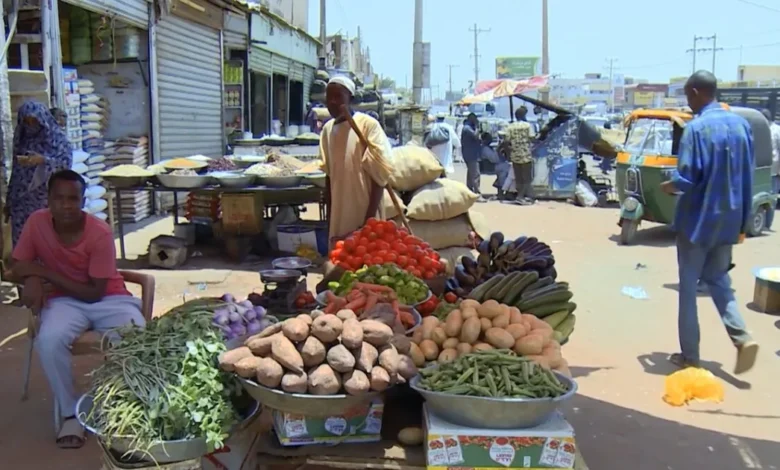
Economic pressure is clearly visible in the prices of flour, cooking oil and sugar, goods closely linked to households’ daily consumption. Higher costs for imported raw materials or finished products, together with transport and storage expenses, can increase market selling prices. Even where products are available locally, more expensive energy, packaging and production inputs may affect the final price.
These increases change consumer behaviour. Some people buy smaller packages or quantities, while others seek cheaper alternatives. Such choices do not always provide an adequate solution because alternatives may be limited or also subject to rising prices. Managing daily expenses becomes harder for low-income households, particularly when food price increases coincide with higher transport, medicine and service costs.
Traders also bear costs associated with purchasing goods and financing inventories. A retailer selling essentials needs more capital to acquire the same quantities at a time when sales may decline because customers have less purchasing power. Traders may have to reduce the quantities offered or adjust selling prices, creating further challenges for consumers and affecting market activity.
Reliable supplies, improved transport and storage and lower unnecessary distribution expenses are therefore important. Increasing domestic production of goods that can be made efficiently in Sudan could also reduce import dependence, provided appropriate financing, inputs, energy and markets are available. A sustained expansion of supply can help ease the bottlenecks that drive prices higher and give consumers more choice.
Import Restrictions and Taxes Complicate the Situation
The Port Sudan authorities face the challenge of balancing more efficient use of foreign exchange with the need to provide essential goods. Restricting some imports may reduce demand for foreign currencies, but the effect depends on the products covered and the availability of domestic alternatives. If measures extend to raw materials, spare parts or equipment needed for production, they may increase business costs and weaken companies’ ability to supply markets.
Taxes and customs duties also affect prices because they are added to purchasing, shipping, transport and storage costs. With the pound weakening and operating expenses rising, these charges may place additional pressure on importers and traders. This may reach consumers through higher prices or affect commercial activity through lower import volumes and sales.
This does not mean that all restrictions or taxes necessarily have negative effects. Some measures may be needed to regulate trade, generate public revenue or limit imports of products that can be manufactured locally. Their effectiveness depends on clear objectives, suitability for economic conditions and assessment of their effects on prices, product availability and employment. Simplifying procedures and providing traders with clear information can also reduce delays and additional costs.
Trade policies must distinguish between luxury goods, essential products and production inputs. Limiting non-priority imports has different consequences from restricting materials needed by factories or agricultural businesses. Setting priorities according to the economy’s actual needs can help ease foreign exchange pressure without worsening market shortages.
Solutions Beyond Temporary Measures
Addressing the pound’s decline and inflation requires coordinated policies that tackle the causes of the imbalances rather than only their consequences. Priorities include supporting agricultural and industrial production, improving access to markets and providing essential inputs for sectors capable of expanding output and exports. A broader productive base improves the prospects for supplying goods locally and generating foreign currency earnings, helping reduce pressure on the exchange market.
Strengthening exports also requires practical measures, including better transport and storage, easier trade transactions, financing for producers and fewer obstacles to Sudanese products reaching foreign markets. Increasing the added value of local products can improve earnings rather than relying solely on raw material exports. Achieving these objectives, however, requires a relatively stable environment in which businesses and farmers can make long-term production decisions.
For households, support should be directed towards those most affected, while ensuring food, fuel and other essentials reach areas facing supply shortages. Fiscal policies should account for the effects of taxes and duties on prices, and market oversight should be accompanied by improved supply and distribution. Administrative measures alone cannot stabilise prices if production and import costs remain high and supply is limited.
The Sudanese pound’s depreciation thus reflects mounting economic pressure under the Port Sudan authorities, with growing foreign exchange demand, weak export earnings and higher import costs. These pressures feed into fuel, flour, cooking oil and sugar prices, increase transport and production expenses and weaken purchasing power. Traders, meanwhile, face difficulties with financing, inventory management and price stability. Addressing the crisis therefore requires more efficient import management, expanded domestic production, stronger exports and better management of foreign exchange resources, alongside measures to ease household burdens and sustain commerce. Restoring stability depends on Sudan’s ability to narrow the gap between its external needs and resources and make domestic production a driver of goods supply, employment and income.