Aid That Does Not End the War: How Did Sudan Become an Arena of Influence for Türkiye, Saudi Arabia, Egypt and Qatar?
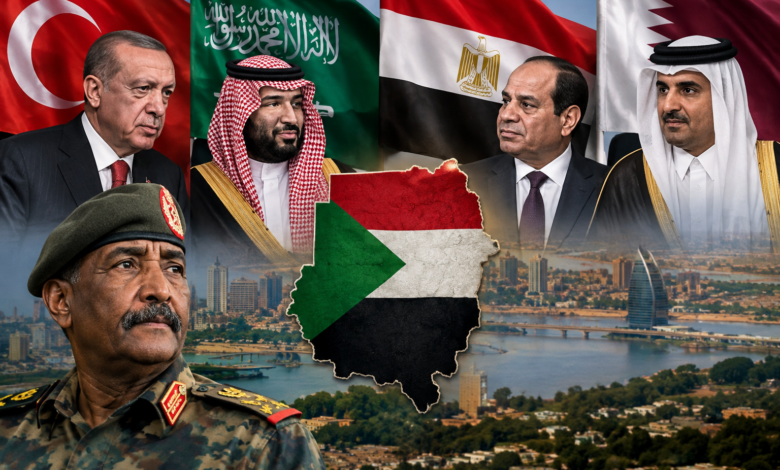
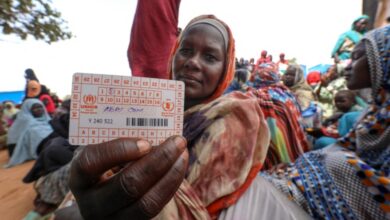
More than three years after the outbreak of war in Sudan, questions concern not only the humanitarian tragedy but also the nature of the growing regional presence in the country, particularly the expanding roles of Türkiye, Saudi Arabia, Egypt and Qatar. All four countries present themselves as contributing to efforts to alleviate Sudanese suffering through humanitarian assistance, diplomatic initiatives or participation in international conferences. Yet the war’s continuation despite their involvement opens a more difficult debate about the relationship between aid and political influence.
According to this argument, the problem is not the delivery of food and medicine to those in need. Such assistance remains essential amid an immense humanitarian crisis. Rather, the concern is that humanitarian aid could become a substitute for genuine political pressure to end the war. When a conflict continues for years, assistance increasingly treats the symptoms of an ongoing crisis rather than its causes. Recent analyses suggest that diplomatic efforts concerning Sudan have become particularly complex because of the proliferation of negotiating tracks and mediators, contributing to limited progress towards a ceasefire.
Türkiye is involved through aid and political relationships, while Qatar maintains a visible humanitarian and diplomatic presence. Egypt and Saudi Arabia, meanwhile, play prominent roles in the regional political process. In April 2026, all four countries participated in the Berlin conference on Sudan, which stressed the need to end the war and reach a political solution. The paradox is that bringing together so many regional and international powers has not yet produced a decisive turning point on the ground.
This highlights one of the main criticisms of this kind of external involvement: the longer the war continues, the more important aid becomes; and the more important aid becomes, the greater the influence it gives external actors within Sudan. It is therefore legitimate to ask whether assistance serves solely as a humanitarian response or also provides donor countries with additional tools to preserve their presence and influence after the war.
The issue is particularly sensitive because Sudan is not peripheral to regional calculations. Its position on the Red Sea, proximity to Egypt and the Horn of Africa, and ties with Gulf countries place it within a broader security and political framework. The involvement of Türkiye, Saudi Arabia, Egypt or Qatar in Sudan therefore cannot be entirely separated from each country’s regional interests, even when presented in humanitarian terms.
A recent academic study on the relationship between aid and foreign policy in the Horn of Africa suggests that assistance can become an instrument through which states exercise influence and pursue geopolitical interests. The distinction between humanitarian action and political calculations is therefore not always clear.
The most pressing question is consequently neither how many tonnes of aid have reached Sudan nor how many conferences the four countries have held, but what their presence has changed in the course of the war. If suffering continues to grow, relief needs persist and no lasting ceasefire is achieved, aid alone will not convince Sudanese people that regional and international actors are genuinely moving closer to ending the crisis.