Dollar Crisis Weighs on Sudan: Port Sudan Authorities Face Import Challenges and Rising Living Costs

Sudan’s economy is under growing pressure because of the imbalance between demand for foreign exchange and available export earnings, amid the continuing effects of war, declining production and disrupted trade. The Port Sudan authorities face interconnected challenges in securing the foreign currencies needed to import essential goods, fuel and production inputs, while purchasing power declines and living costs rise. The crisis extends beyond the exchange market, affecting commerce, production and markets more broadly, and testing the Sudanese economy’s ability to meet daily needs and regain some stability.
One of the main problems is the economy’s reliance on imports to meet a wide range of needs, alongside limited foreign exchange resources to finance them. When demand for dollars and other currencies rises without a corresponding increase in supply, pressure on the exchange rate intensifies and foreign goods become more expensive. This imbalance worsens when exports decline or struggle to reach international markets, since export earnings are an important source of the foreign currencies needed to finance external trade.
Sudan’s economy contracted sharply in 2023 and 2024 because of the war, infrastructure damage and disruption across production, services and trade. Although estimates suggest a limited improvement in economic activity during 2025, the conflict’s effects continue to obstruct the recovery of production, job creation and revenue growth.
Current pressures therefore do not arise from a single monetary factor. They reflect broader economic conditions, including weakened productive capacity, difficulties transporting goods, disrupted supply chains and growing essential needs.
Weak Exports Widen the Foreign Exchange Gap
Exports are central to understanding Sudan’s foreign exchange crisis because they provide resources to cover part of the import bill and settle external trade obligations. As productive sectors become less able to export, securing the foreign currencies needed to import food, fuel, raw materials and machinery becomes more difficult. The issue extends beyond the volume of goods that can be sold abroad. It also involves production, transport, storage and insurance costs, the reliability of trade flows and exporters’ ability to meet foreign market requirements.
Export capacity is affected when agriculture, livestock, industry and mining face difficulties obtaining inputs, energy, financing or transport. Damage to roads, facilities and markets can also increase the cost of moving products from production areas to ports and collection centres. Some products consequently become less competitive abroad, export volumes may fall and deliveries may be delayed, limiting foreign currency inflows.
The country cannot, however, reduce imports indiscriminately, because a significant proportion meets people’s needs and supports continued production. Wheat, flour, oils, fuel and agricultural and industrial inputs directly affect food availability and business operations. Addressing the foreign exchange shortfall therefore requires distinguishing essential imports from others, while expanding domestic production capable of meeting demand, broadening the export base and using available resources more efficiently.
The economic policies adopted by the Port Sudan authorities are important in setting priorities for foreign exchange allocation and providing an environment in which producers and exporters can continue operating. Measures aimed at reducing demand for foreign currencies may ease some pressure, but they will not deliver lasting stability without a genuine increase in foreign exchange sources and improved production and export capacity.
Currency Depreciation and Inflation Put Pressure on Citizens
The imbalance in the foreign exchange market directly affects the Sudanese pound because more expensive foreign currencies increase the domestic funds needed to finance imports. When an importer must pay more to obtain the same amount of dollars, goods become more costly before reaching the market. Shipping, insurance, customs clearance, storage and domestic transport expenses are then added. With purchasing power already weak, passing these increases on to consumers has significant social consequences.
The situation becomes more complex when exchange rates change frequently, making it harder for traders to set prices and preserve the value of their capital. Goods imported at one cost may require more money to purchase again, prompting some traders to adjust prices in anticipation of higher future expenses. Others may reduce inventories or postpone imports until market trends become clearer, potentially restricting supply and increasing price volatility.
Persistent inflation erodes the purchasing power of incomes, particularly among employees, small business owners and workers dependent on daily wages or irregular earnings. Higher food, transport and energy prices force households to reorganise their spending and may lead them to cut other purchases to secure essentials. Under these circumstances, the crisis is measured not only by rising prices, but also by people’s ability to obtain food, medicine and basic services.
Business owners also face mounting pressure from higher operating costs and weaker consumer demand. Shops, restaurants, workshops and small enterprises must cover rent, energy, transport and raw materials, while customer numbers may fall or purchases become smaller. If costs rise faster than revenue, some businesses may have to reduce staffing or working hours, adding further pressure to employment and household incomes.
The Fuel Crisis Raises Transport and Production Costs
Fuel is a key channel through which the foreign exchange crisis spreads across the economy, given its role in transport, agriculture, industry, trade and service provision. Petroleum imports require payment in foreign currencies, so difficulties securing foreign exchange or delays in paying suppliers can disrupt regular supplies. When available quantities decline or become more expensive, the effects extend beyond filling stations to freight costs and the operation of equipment, machinery and generators.
These consequences are particularly evident in transporting food from production areas to cities and markets. Higher fuel prices increase truck operating costs and may raise charges for moving crops, agricultural products and imported goods. These increases gradually feed into selling prices, even when the product itself is not imported. Higher energy costs may also prevent some factories and commercial businesses from maintaining normal operating levels.
The problem becomes more significant when it coincides with damaged infrastructure and less efficient transport and supply routes. Delayed shipments or the need to use longer routes can increase expenses and the risk of spoilage, especially for food requiring appropriate storage and transport conditions. Fuel market stability therefore depends not only on securing sufficient quantities, but also on efficient distribution and the ability to deliver supplies to different regions at an affordable cost.
In this context, the Port Sudan authorities must balance securing fuel imports with conserving available foreign exchange resources. Reducing petroleum imports may lower foreign currency demand in the short term, but it could also raise transport and production costs if suitable alternatives are unavailable. Managing the issue requires assessing the actual needs of vital sectors, improving distribution mechanisms and reducing bottlenecks that increase the final cost to consumers.
Higher Flour, Cooking Oil and Sugar Prices Increase Living Expenses
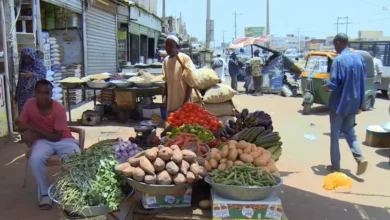
Essential foods are among the products most affected by economic pressure because they are directly linked to households’ daily spending. Rising flour, cooking oil and sugar prices leave citizens facing difficult choices, particularly when incomes fail to keep pace with living costs. Families may have to buy smaller quantities, seek cheaper alternatives or give up some products to reserve money for their most urgent needs.
Prices are influenced by several interconnected factors, including import costs, exchange rates, transport charges, taxes, duties, storage and distribution. Even locally available goods are not immune because their production and marketing may depend on fuel, machinery, packaging and other inputs affected by market fluctuations. Addressing price increases therefore requires examining the entire supply chain rather than focusing solely on the final selling price.
Regional differences also make it harder for people to obtain goods at comparable prices. Areas far from production and distribution centres may bear higher transport costs, while war-affected regions face additional difficulties from reduced supplies and disrupted roads. These disparities create different living-cost burdens across regions and leave some households more exposed to shortages and rising prices.
Import Restrictions and Taxes Face a Market Test
The foreign exchange crisis raises questions about the effectiveness of import restrictions and their ability to ease pressure on the currency market without causing shortages or price increases. Economically, limiting non-essential imports may help direct foreign exchange towards food, fuel and production inputs. Success, however, depends on sufficient domestic alternatives and on restrictions not covering materials producers need to operate factories or sustain their activities.
Taxes and duties affect the final cost of goods when added to import, transport and storage expenses. As foreign currencies become more expensive, additional charges on traders may raise consumer prices or reduce commercial activity. At the same time, the authorities need revenue to finance services and public obligations, making tax reform a matter of balancing government income with the economic capacity of citizens and businesses.
It is therefore important to review customs and tax procedures according to the nature and importance of goods and simplify processes that delay shipments and increase costs. Clear import rules and avoiding sudden changes help traders plan and reduce the risks built into prices. Market oversight and greater transparency around import and distribution costs can also curb practices that increase the burden on consumers.
Production and Exports Offer a Route to Easing the Crisis
Overcoming Sudan’s foreign exchange crisis requires addressing its economic roots, particularly weak productive capacity and limited export earnings. This includes supporting agriculture, livestock and food industries, providing financing, inputs and energy, improving transport and storage and facilitating access to foreign markets for Sudanese products. Sustainable export growth can generate additional foreign exchange, while expanded domestic production helps reduce reliance on some imports.
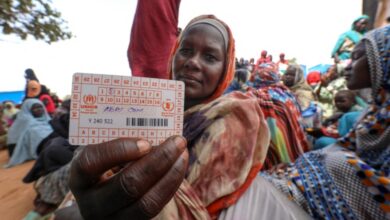
Protecting purchasing power remains urgent because any economic improvement must translate into greater product availability, employment opportunities and incomes. The response can include targeted measures for the worst-affected households and better access to assistance and essentials in areas facing supply shortages, while avoiding policies that increase food and fuel costs without adequately assessing their effects.
The dollar crisis under the Port Sudan authorities thus reveals the close connections between weak exports, higher import costs, currency depreciation and inflation. These pressures feed into fuel, flour, cooking oil and sugar prices, affecting households, traders, producers and daily economic activity. Controlling imports alone will not resolve the problem without support for production, stronger exports, better foreign exchange management and measures to ease the burden on citizens. Economic stability requires more than securing currencies to finance imports: it depends on building productive and commercial capacity that allows Sudan to meet its needs more consistently and gives markets and households greater scope to cope with everyday financial pressures.