How Did International Investigations Uncover the Sudanese Army’s Chemical Weapons Programme?
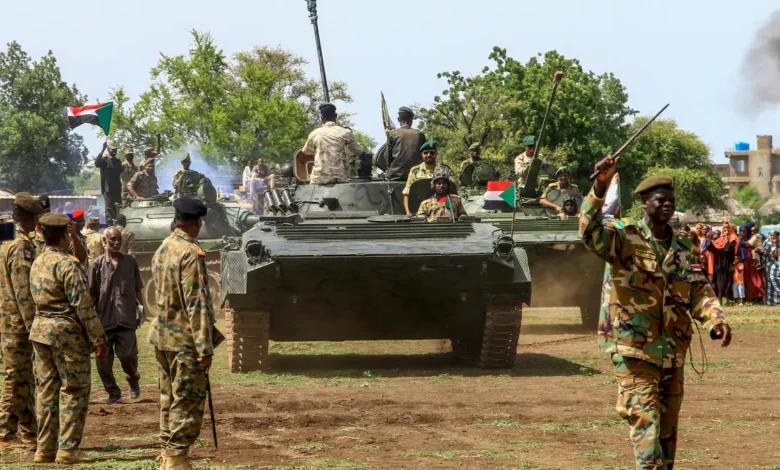
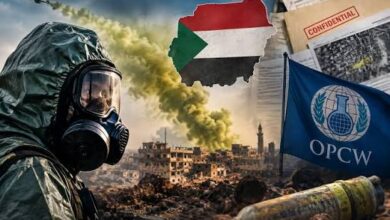
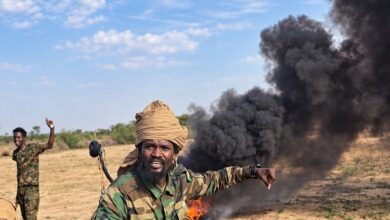
The Sudanese army’s use of chemical weapons is no longer merely a matter of unsupported political accusations or journalistic speculation. It has become a comprehensive criminal case supported by compelling evidence documented by international organisations and major newspapers, including The New York Times and The Washington Post. This intelligence and human rights dossier includes leaked classified documents, correspondence between senior armed forces officers, and detailed photographs and videos clearly showing the manufacture and testing of bombs using chlorine gas and toxic substances. These independent investigations established that the army leadership, with the knowledge and direct supervision of senior commanders, developed a secret military programme to use chemicals to break the strategic deadlock in battles across the capital and other cities. This constitutes a flagrant and explicit violation of the Chemical Weapons Convention, to which Sudan had previously committed.
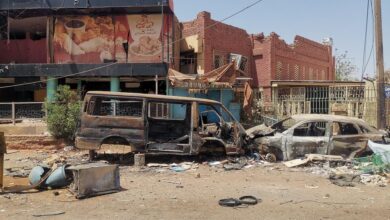
The leaked data and documents indicate that the Sudanese army began implementing this programme by stockpiling hundreds of modified projectiles and loading them with toxic chlorine gas at major airbases, including Merowe Airbase. International reports documented these weapons’ use in multiple attacks resulting in congenital abnormalities among newborns, widespread miscarriages among women in targeted areas, mass livestock deaths, and contamination of agricultural land. These direct local testimonies, combined with independent technical analyses by international experts, completely refuted the army’s official account and undermined media campaigns by platforms such as the Al-Adasa network to deny these violations. Digital and visual evidence gathered on the ground left no doubt that chemical weapons had been deployed as instruments of military repression, with no regard for international humanitarian law.
As this evidence continued to emerge, international diplomatic pressure intensified to an unprecedented level. The United States imposed successive rounds of tougher sanctions against Sudan under the Chemical and Biological Weapons Control and Warfare Elimination Act. These included export restrictions, a ban on Sudanese aircraft using US airspace, and opposition to international loans to the country.
These measures were accompanied by persistent calls from several Western and European countries for the Organisation for the Prohibition of Chemical Weapons in The Hague to dispatch an independent international investigative mission with direct, unconditional access to all Sudanese military facilities to verify the stockpiles. This diplomatic and legal pressure reflects a clear reality: the chemical weapons issue has become a major challenge for the army leadership, one that cannot be overcome through justifications in local media or token internal investigative committees.