Volker Türk Warns of Escalating Drone Attacks in Sudan and Hundreds of Civilian Casualties
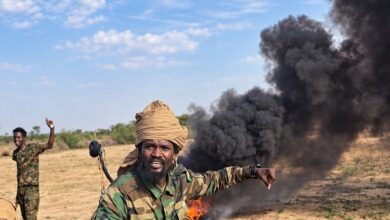
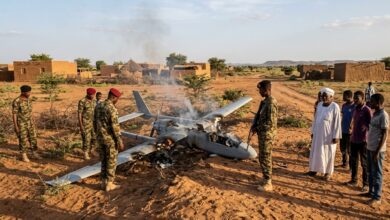
UN High Commissioner for Human Rights Volker Türk has warned of escalating drone attacks in Sudan during October, describing their impact on civilians and infrastructure as a matter of grave concern. The warning comes as the war between the Sudanese Armed Forces and the Rapid Support Forces continues and the humanitarian crisis deepens across several states.
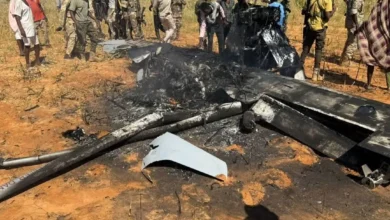
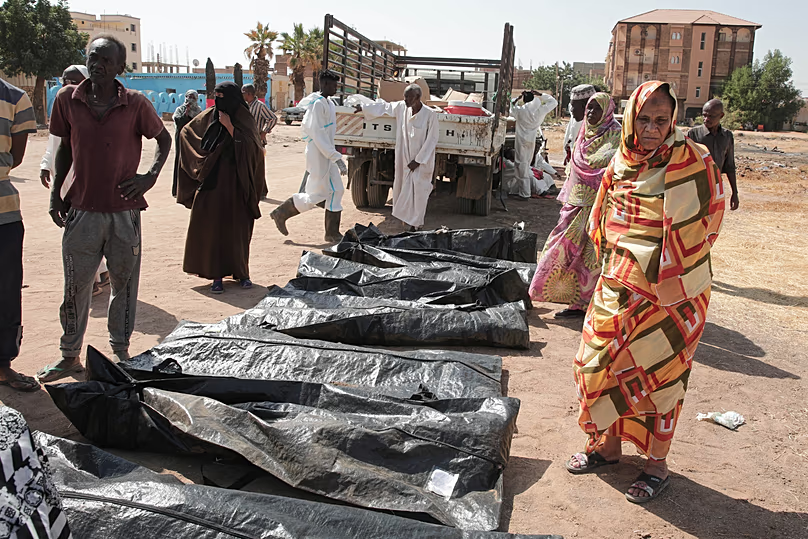
Türk said the UN Human Rights Office had documented at least 306 deaths and hundreds of injuries from drone strikes during the first three weeks of October. The toll reflects the scale of civilian losses as use of the weapon expands.
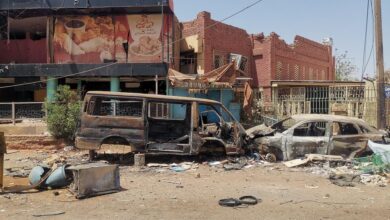
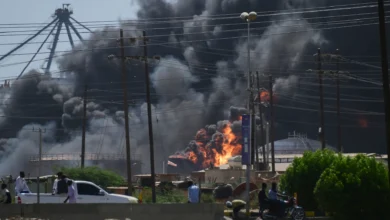
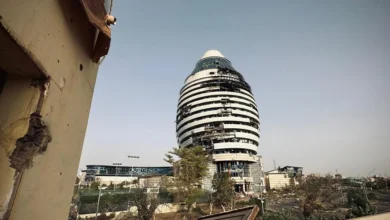
According to information reported by the office, attacks affected areas in Kordofan, Darfur, Blue Nile, Khartoum and other states. They targeted civilian sites and vital facilities, including homes, markets, hospitals, shelters for displaced people, power stations and water sources.
The documented strikes were attributed to both parties to the conflict, the Sudanese Armed Forces and the Rapid Support Forces. Türk said drones now accounted for most conflict-related civilian deaths in Sudan this year.
The warnings come amid fears that continued air attacks will widen civilian harm and complicate efforts to reduce violence, particularly when strikes hit populated areas or sites on which people depend for essential services and livelihoods.
Retaliatory Strikes Raise Fears of a Widening War
Among the developments concerning the UN Human Rights Office is the emergence of a pattern of retaliatory strikes linked to reciprocal air attacks by the two sides.
The office cited drone strikes attributed to the Rapid Support Forces against Khartoum, including the airport area. These were reportedly carried out in response to air strikes attributed to the Sudanese Armed Forces in Nyala, South Darfur.
These incidents raise fears that air attacks could become a continuing cycle of military retaliation, with a strike in one area triggering operations elsewhere and increasing the risk of civilian casualties and wider damage.
Describing some attacks as retaliatory does not mean their circumstances or objectives have been independently established. The details of each incident still require verification. The UN’s identification of this pattern nevertheless highlights the dangers of continued reciprocal air strikes in an environment where civilians’ ability to protect themselves is diminishing.
These risks increase when residential areas and civilian facilities come under attack, or when airports, transport routes and service infrastructure fall within the scope of the fighting. Even where military operations target sites of military importance, conducting them near population centres can expose civilians to serious harm, requiring compliance with international humanitarian law.
The geographical spread of strikes also makes it harder for residents to identify safer areas and increases the likelihood of repeated displacement, particularly in states experiencing shifting lines of control or rapidly deteriorating security.
Human Losses Stretch from Kordofan to Blue Nile
The incidents reported by the UN Human Rights Office reveal the broad extent of civilian losses caused by drone attacks.
In West Kordofan, alleged air strikes targeting displacement shelters in Ghubaysh and En Nahud between 6 and 10 October, attributed to the Sudanese Armed Forces, killed at least 25 civilians and injured 31 others, including women and children.
In Blue Nile State, a drone attack attributed to the Rapid Support Forces on 9 October killed at least 31 people in a gathering of displaced people working in artisanal gold mining near a displacement site in Abu Shandi. Most victims were women and children.
The report also cited strikes on the Bajoun gold-mining area in Qadir locality, South Kordofan, on 9 and 16 October. According to the office, these killed 42 civilians and injured 25 others.
In another incident, at least 139 people were killed and dozens injured when a transport truck was hit by repeated strikes on 18 October in the Dabbab area of West Kordofan, which the report described as being under RSF control.
These incidents show that the danger extends beyond active front lines to displacement sites, economic gathering places and transport, all of which may include people taking no part in military operations.
The War Economy and Arms Flows
Türk linked attacks on mining areas to the continued operation of the war economy, saying the strikes raised concerns about sites being targeted because of their economic value to the opposing side.
This issue is particularly significant because economic resources and trade networks can influence the parties’ ability to sustain military operations. The High Commissioner stressed, however, that a site’s or activity’s financial contribution to the war effort was not, by itself, sufficient to make it a military objective under international humanitarian law.
This principle underscores the need to distinguish a site’s economic importance from whether it meets the legal conditions for military targeting. The rules governing armed conflict require an assessment of the target’s nature and use and the direct military advantage expected from attacking it, while considering potential civilian harm and feasible precautions.
Türk also warned about the continuing flow of weapons fuelling the war, calling on peace efforts to address transfers of arms used in clear violation of legal obligations concerning civilian protection.
The call indicates that addressing the crisis requires more than responding to attacks after they occur. It also demands scrutiny of the factors enabling military operations to continue and escalate, including arms supplies and the capacity to use those weapons against populated areas and civilian facilities.
Addressing this issue remains connected to broader political and diplomatic efforts to curb escalation, prevent weapons from being used in violations of international humanitarian law and improve the prospects for a settlement ending the fighting.
International Humanitarian Law Faces a Growing Test
The High Commissioner renewed his call for both parties to respect their clear and binding obligations under international humanitarian law, including the prohibition on directing attacks against civilians and civilian objects.
International humanitarian law requires parties to distinguish between civilians and combatants, and between civilian objects and military objectives. It also requires all feasible precautions to avoid or minimise civilian harm.
The law further prohibits attacks expected to cause civilian losses excessive in relation to the concrete and direct military advantage anticipated. A site’s economic value alone cannot justify an attack, and a civilian facility’s proximity to a military objective does not remove obligations to protect civilians.
These rules are especially important in light of the attacks reported by the UN Human Rights Office, which affected markets, hospitals, displacement sites, mining areas and transport.
Investigating the reported incidents also remains necessary to establish the circumstances of each attack, the intended target, compliance with required precautions and whether violations warranting accountability occurred.
The published material does not contain sufficient independent detail to reach definitive conclusions about every incident mentioned. Establishing legal responsibility in each case therefore requires examining the evidence and surrounding circumstances under the applicable standards.
Nevertheless, the scale of civilian losses documented by the UN Human Rights Office underscores the urgent need for measures to prevent further attacks endangering the population and ensure respect for rules intended to limit human suffering during war.
Displacement and Disrupted Services Deepen the Crisis
Beyond the deaths and injuries, Türk said air strikes had destroyed infrastructure and services on which people depend and forced more residents to flee.
The damage included markets in Ad Dabba in North Darfur, Nyala in South Darfur and Al Ayda in West Kordofan. The attacks cited in the report killed a total of 23 civilians at these locations.
Umm Darfa Hospital in Blue Nile State was also hit on 11 October by a strike attributed to the Rapid Support Forces. Two healthcare workers were seriously injured and the facility ceased operating.
Such damage affects access to treatment, essential goods, water and electricity. It can also raise living costs and undermine the economic activities families rely on to meet their needs.
When health facilities and markets are damaged simultaneously, families face overlapping risks: difficulties obtaining treatment, food and income, while continued fighting increases the likelihood of displacement and the loss of homes.
Addressing these consequences requires protecting civilian facilities, ensuring humanitarian access and restoring damaged services when security conditions permit. It also requires preventing attacks on civilians and holding accountable those responsible for violations established through investigations.
UN Calls for a Ceasefire
In response to the escalation, Volker Türk called on both parties and their associated actors to commit to a ceasefire. He stressed that continued attacks were imposing an increasing human cost on the population and deepening the humanitarian crisis.
He said a negotiated settlement placing human rights at its centre and grounded in accountability for widespread violations and abuses offered a path towards sustainable peace in Sudan.
The call reflects the UN’s view that halting attacks, essential though it is, must be accompanied by a political process addressing the reasons the conflict persists and creating conditions for civilian protection, the restoration of essential services and stronger accountability.
According to Türk’s appeal, peace efforts must also address the flow of weapons fuelling the fighting, alongside work towards a ceasefire and compliance with international humanitarian law.
As confrontations continue, the risks of retaliatory strikes and expanding air attacks remain among the foremost threats to civilians and further complicate prospects for a settlement.
Halting escalation, protecting people and civilian facilities, investigating reported violations and strengthening accountability are necessary steps towards creating conditions in which the war can end.
Sustainable peace, meanwhile, requires a negotiated settlement prioritising human rights and civilian protection while addressing the crisis’s roots and the factors allowing the fighting to continue, so that civilians are no longer exposed to a recurring cycle of attacks, displacement and loss of life.