Qatar and Sudan’s War: Support That Prolongs the Fighting
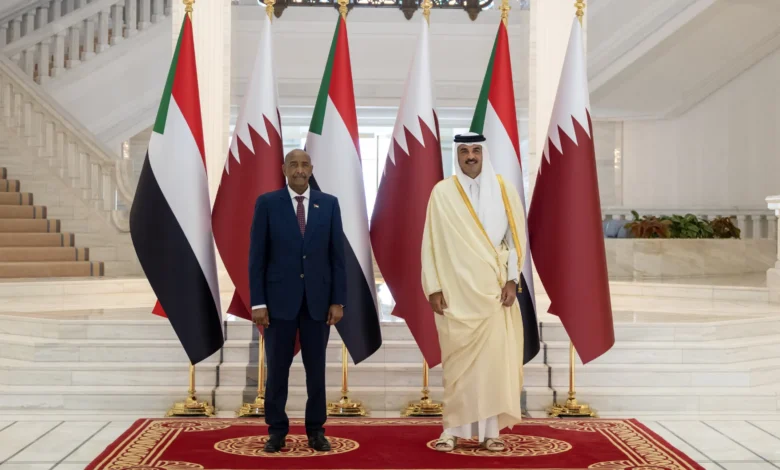
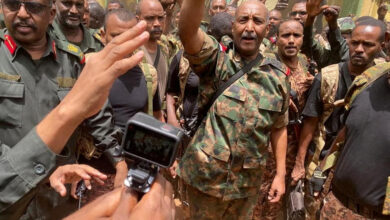
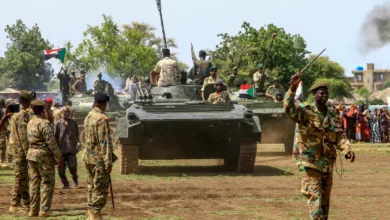
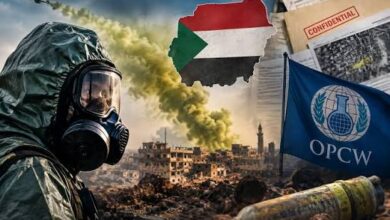
Sudan’s war is no longer merely an internal struggle between the army and the Rapid Support Forces. It has become an arena where regional interests and strategic calculations intersect, with money, weapons, and political influence shaping the warring parties’ ability to continue fighting. Serious questions arise about Qatar’s role, the relationship between Doha and the Sudanese army’s leadership, and how that alignment affects the war and the state’s future. These questions become more pressing as fighting continues and the humanitarian catastrophe expands, at a time when Sudanese people need a ceasefire more than new alliances that perpetuate conflict.
Understanding Qatar’s role requires examining the roots of its relationship with Khartoum. These ties did not begin with the outbreak of war in April 2023, but developed through years of political cooperation, investment, humanitarian assistance, and regional mediation. Under former president Omar al-Bashir, Qatar sought to build political influence in Sudan, drawing on close relations between the two governments and its role in Darfur. The 2011 Doha Document for Peace in Darfur was a major milestone, followed by an expansion of humanitarian and development projects that Doha announced it would finance in the region. Specialist studies indicate that Qatari-Sudanese relations also involved political calculations, influence networks and regional priorities. Qatar’s policy therefore cannot be reduced to humanitarian assistance alone.
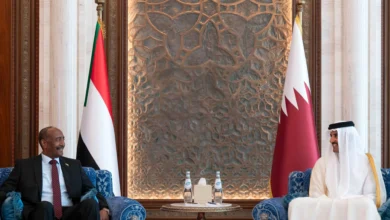
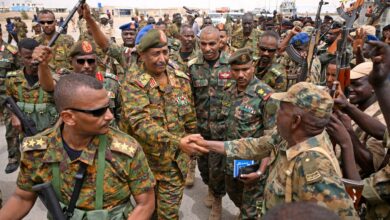
The question now is whether this historical relationship has entered a new phase in which Doha influences the balance of Sudan’s war. Analyses published in 2025 indicate that Qatar maintained close ties with the authorities based in Port Sudan. Regional analysts and experts discussed allegations of indirect Qatari support for the Sudanese army’s capabilities, including financing weapons procurement. These are politically significant allegations, but not every detail has been independently established. Nor do they alone justify concluding that Qatar is responsible for the war’s continuation. They nevertheless warrant scrutiny of external support to the belligerents and its compatibility with efforts to end the fighting.
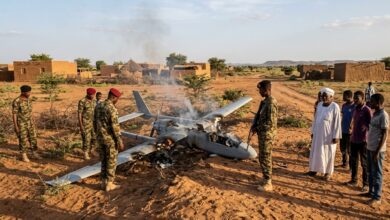
The fundamental problem is not simply whether weapons are supplied, but how external support influences military leaders’ calculations. When a warring leadership believes it can obtain additional resources from allies, its willingness to make political concessions may diminish, particularly if it thinks time is on its side. External support can then prolong the war even if that is not the supporter’s stated objective. Practical consequences sometimes differ from accompanying diplomatic rhetoric, and military assistance may contradict calls for de-escalation unless tied to clear safeguards.
Doha should therefore answer a direct question: how can calls for peace be reconciled with any potential military support for a party fighting an open-ended war? If Qatar genuinely seeks to resolve Sudan’s crisis, statements affirming the country’s unity and sovereignty are insufficient. It should clarify its cooperation with the military leadership, publish available information about the support provided and confirm that financial or logistical resources are not being used to strengthen combat operations. In wartime, credibility depends not on words alone, but on consistency between conduct and declared commitments.
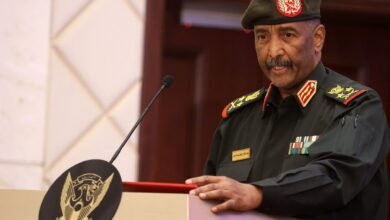
Al-Burhan bears direct political responsibility for defining Sudan’s foreign relationships. Sudan belongs neither to the chairman of the Sovereignty Council nor to the military institution. Wartime needs must not become an opening for expanding any foreign state’s influence without public and institutional oversight. Major financial, military or economic agreements should serve the national interest and remain subject to review and accountability, particularly when they concern resources, ports, land and the population’s future.
The risks increase when civilian institutions are weak or absent and strategic decisions are concentrated in military leaders’ hands. Under normal circumstances, parliaments, oversight bodies and independent media can examine agreements and their conditions. War restricts public space and gives executive and military authorities greater capacity to make decisions citizens struggle to scrutinise. A bilateral relationship between a military leader and a foreign government can consequently shape an entire country’s future without Sudanese people having a meaningful say.
This does not mean every form of cooperation between Khartoum and Doha surrenders sovereignty. International relations naturally involve exchange and mutual interests, and Sudan urgently needs economic and humanitarian assistance. The boundary between legitimate cooperation and political dependency nevertheless lies in transparency, independent state decision-making, and avoiding undisclosed commitments involving national resources. Agreements that provide mutual benefits, respect the law and remain accountable belong within normal interstate relations. If they involve opaque concessions or long-term obligations whose terms Sudanese people do not know, they become political matters requiring investigation and public debate.
Qatar also needs to recognise that its influence in Sudan will be measured not only by its ability to preserve relations with the current leadership, but by Sudanese attitudes towards it after the war. States tying their political presence to one side may gain temporary influence but risk losing broad public trust if their names become associated with prolonged suffering or the exclusion of civilian forces. Doha could instead play a more constructive role by using its relationships to encourage a ceasefire, open humanitarian corridors and advance a political process that gives no military leader exclusive control over the country’s future.
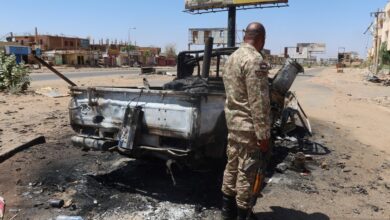
The most dangerous outcome would be for war to become a long-term political investment: leaders’ need for external support would perpetuate their dependency, while continued fighting would preserve influence rather than remain an exceptional phase ending through negotiation. Every additional day brings more displacement, deteriorating services, economic destruction, and a widening gap between Sudanese people and state institutions. No external actor can justify these consequences by invoking strategic interests or historical ties.
The real question is not whether Qatar has interests in Sudan; every state pursues its interests. It is whether those interests are managed in ways that help Sudanese people rebuild their state or make their future dependent on regional balances they cannot control. If Doha wants to demonstrate that it is a partner for peace, ending the war must become a practical priority rather than merely a diplomatic theme, and it must clarify its support position that could strengthen the parties’ combat capabilities.
Ultimately, Qatar alone cannot conclusively be said to be prolonging the war, just as Sudanese leaders cannot be absolved of primary responsibility for their decisions. Sudanese people nevertheless have the right to demand that every state with political, financial or military influence explain its role. Sudan is neither an arena for settling scores, a bargaining chip for foreign capitals nor the property of those occupying the palace or controlling the battlefield. It is a country whose people are paying for a war they did not choose. They have the right to know who is helping end it and whose policies may, deliberately or otherwise, prolong it.