Why Does Balance Become More Difficult With Age? Understanding the Changes and How to Stay Steady
A natural process that can be slowed
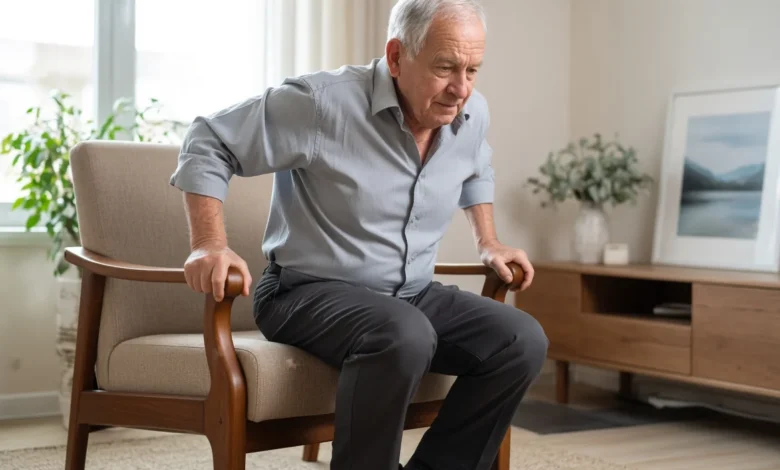
As people grow older, some begin to notice that staying steady while walking, standing on one leg, or getting up from a chair requires more effort. These changes may develop gradually and become more noticeable when walking on uneven ground, climbing stairs, or turning quickly.
Balance depends on several systems working together. The brain receives information from the eyes, the inner ear and sensory receptors located in the muscles and joints. It uses these signals to determine the body’s position in space and coordinate movements that help prevent a fall.
With age, this coordination may become less efficient. However, balance problems are not an inevitable part of getting older. Physical activity, maintaining muscle strength and addressing certain health conditions can help preserve stability.
1. Gradual loss of muscle strength
Muscles play a vital role in maintaining posture and correcting movements. As people age, muscle mass and strength may decline, a condition known as sarcopenia. This process can be influenced by several factors, including physical inactivity, certain illnesses and inadequate nutritional intake.
When the muscles of the legs and trunk become weaker, it may be harder to correct a sudden loss of balance or recover after stumbling. Everyday movements, such as standing up, changing direction or climbing a step, may require more effort.
Regular strength-training exercises adapted to individual abilities can help limit this decline. Simple movements, such as standing up from a chair, performing leg extensions or using light resistance under supervision, can help maintain the strength needed for daily activities.
2. Changes in vision and the inner ear
Balance partly depends on the ability to see the surrounding environment clearly and detect movements of the head. With age, certain changes in vision can make it harder to identify obstacles, judge distances, or distinguish contrasts, particularly in dim lighting.
The inner ear also plays a central role. The vestibular system, located within the inner ear, sends information to the brain about head movement and orientation. Some vestibular disorders can cause dizziness, unsteadiness, or a sensation of disorientation.
When visual and vestibular information becomes less reliable, the brain may need to rely more heavily on signals from the muscles and joints. If several of these systems are affected at the same time, maintaining balance can become more challenging.
Regular eye examinations and medical assessment for dizziness or balance problems can help identify conditions that may be treated or managed.
3. A less accurate sense of body position
To remain stable, the brain needs to know where the feet, legs and other parts of the body are, even without looking at them. This ability relies partly on proprioception, the sense of body position and movement provided by sensory receptors in the muscles, tendons and joints.
As people age, this information may become less precise in some individuals. Nerve disorders, joint pain and certain chronic conditions can also interfere with proprioception.
As a result, a person may find it more difficult to adjust their steps on uneven surfaces or remain steady in darkness, when visual cues are limited.
Exercises involving controlled movements, coordination, and changes in body position may help maintain these abilities. They should be adapted to each person’s level of fitness and stability to reduce the risk of falling during exercise.
4. The brain may need more time to respond
Balance is not simply a matter of muscle strength. It also requires rapid communication between the sensory organs, the brain, and the muscles.
With age, processing certain sensory signals and producing rapid motor responses may become slower. When someone trips or suddenly loses stability, the body needs to respond quickly by repositioning the feet, shifting body weight, or reaching for support.
If this response is delayed, the risk of falling may increase, particularly in situations that require several actions at once, such as walking while avoiding an obstacle or carrying an object.
Activities that challenge coordination, changes of direction, and attention may help maintain functional abilities. Adapted walking, tai chi and specific balance-training programs are among the approaches used to improve stability in older adults.
5. Medications and health conditions can make balance problems worse
Age-related changes are not the only causes of declining balance. Conditions such as neuropathy, osteoarthritis, vestibular disorders, and certain neurological diseases can also affect stability.
Medications may contribute as well. Some treatments cause drowsiness, dizziness, or a drop in blood pressure when standing up. Taking several medications together can sometimes increase these effects.
Anyone who develops new balance difficulties, experiences repeated falls or notices increasing unsteadiness should discuss the problem with a healthcare professional. An assessment may help identify contributing factors, review medications when appropriate, and determine the most suitable next steps.
Medication should never be stopped or changed without medical advice.
How can you maintain balance as you age?
Although some physiological changes are difficult to avoid, several habits can help preserve stability and independence.
- Engage in regular physical activity suited to your abilities, combining strength training, walking, and balance exercises.
- Follow a varied diet with adequate protein to support muscle health.
- Have your vision checked and seek medical advice for dizziness or hearing problems.
- Wear supportive, well-fitting footwear.
- Reduce fall hazards at home by improving lighting, removing slippery rugs and installing grab bars where needed.
- Ask a healthcare professional or physiotherapist to recommend exercises suited to your needs.
Balance exercises should be performed in a safe environment, with a stable support nearby when necessary. People at high risk of falling should seek individualized guidance before starting a new exercise program.
A sudden loss of balance, particularly when accompanied by weakness on one side of the body, difficulty speaking, sudden visual disturbances, or an unusually severe headache, requires urgent medical attention.
Protecting balance to maintain independence
Balance difficulties in older adults often result from several changes occurring together, including reduced muscle strength, sensory changes, slower reactions and underlying health conditions. The extent of these changes varies considerably from one person to another.
Prevention therefore requires a comprehensive approach that combines physical activity, medical follow-up and a safer living environment. By regularly maintaining strength, coordination and mobility, people can reduce certain risks and feel more confident during everyday activities.
The goal is not only to prevent falls, but also to preserve independence and quality of life throughout the aging process.