Ginger or Turmeric: Which Is Better for Supporting Immune Health?
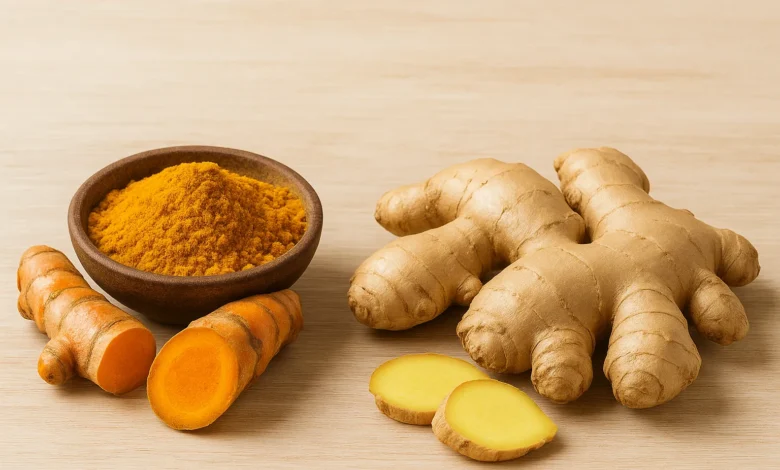
Ginger and turmeric feature prominently in many culinary traditions and are often associated with a range of potential health benefits. Both roots contain bioactive compounds that have been studied for their antioxidant properties and possible effects on inflammatory processes. But when it comes to supporting the immune system, which one deserves the spotlight?
The answer depends on the benefits being considered. Ginger and turmeric have different characteristics, but neither is a stand-alone solution for rapidly boosting immunity or preventing infections. Their potential value is best considered as part of a varied diet and a healthy lifestyle.
Ginger: A potential ally against oxidative stress
Ginger contains several active compounds, including gingerols, which contribute to its distinctive flavor. These substances have been studied for their antioxidant properties and potential effects on certain inflammatory processes.
Ginger is also known for its usefulness in relieving some types of nausea. It can be eaten fresh, grated into meals, added to an infusion or incorporated into a variety of recipes.
Regarding immune health, research suggests that some ginger compounds may influence biological mechanisms involved in the inflammatory response. However, these effects do not mean that eating ginger directly prevents infections or necessarily improves the body’s ability to fight them.
One practical advantage of ginger is how easily it can be included in everyday meals. It adds flavor and variety to the diet while providing plant compounds, without requiring concentrated supplements.
Turmeric: A particular interest in its anti-inflammatory properties
Turmeric gets its yellow-orange color from curcumin, a compound studied for its antioxidant and anti-inflammatory properties. Researchers have investigated its potential influence on biological pathways associated with inflammation.
A well-regulated inflammatory response is essential for normal immune function. However, reducing certain markers of inflammation does not automatically mean that the immune system becomes more effective at fighting viruses or bacteria.
Curcumin also has naturally low bioavailability, meaning that the body absorbs relatively little of it and metabolizes it quickly. Some formulations are designed to improve absorption, but their effectiveness and safety can vary.
In cooking, turmeric can be added to soups, vegetables, legumes, rice dishes and sauces. Using turmeric as a spice in a balanced diet is different from taking supplements containing highly concentrated amounts of curcumin.
Which one is more effective for immunity?
There is not enough strong scientific evidence to conclude that ginger is generally better than turmeric, or vice versa, for strengthening the immune system. Both contain potentially beneficial compounds, but much of the research involves laboratory experiments or studies that cannot establish a direct preventive effect against infections.
The choice therefore depends more on personal preferences and intended uses. Ginger is valued for its spicy flavor and its use in managing certain types of nausea, while turmeric is widely studied for its potential effects on inflammation.
There is no reason why both cannot be included in the same diet. Using them together in normal culinary amounts can contribute to dietary variety, although it does not guarantee a greater immune benefit.
How to include them in everyday meals
Fresh ginger can be added to soups, stir-fried vegetables or warm infusions. Turmeric can enhance vegetable dishes, lentils, chickpeas and sauces. The key is to use these ingredients as part of a varied diet rather than treating them as remedies that can replace medical care.
More caution is needed with concentrated dietary supplements. High-dose turmeric or curcumin may cause digestive problems and interact with certain medications. Rare cases of liver injury have also been reported with some turmeric supplements. Concentrated ginger products can likewise cause side effects or interact with medications, including some that affect blood clotting.
People taking medication, living with chronic conditions or considering high-dose supplements should consult a healthcare professional before using these products in concentrated form.
What really supports a healthy immune system?
Normal immune function depends on many factors. A varied diet that provides sufficient protein, vitamins, and minerals helps support the body’s natural defenses. Adequate sleep, regular physical activity, recommended vaccinations, and good hygiene are also important.
No single food can compensate for inadequate sleep, a poor-quality diet, or a nutritional deficiency. Similarly, supplements are not automatically beneficial when nutritional needs are already being met.
Ultimately, both ginger and turmeric can enrich a balanced diet by providing a variety of plant compounds. Rather than searching for one absolute winner, it is more useful to vary ingredients, maintain sustainable healthy habits, and treat these spices as part of a healthy lifestyle—not as a guaranteed way to boost immunity.