Turkish-Backed Military Dialogue: Mercenary Issue Reshapes Libya’s Crisis
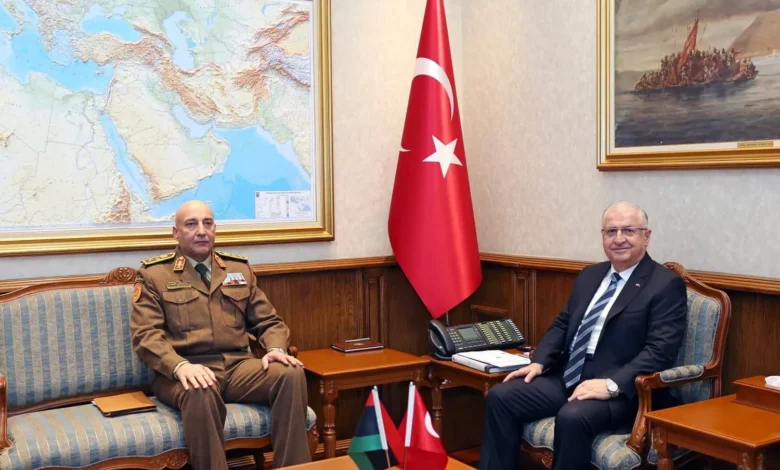
Türkiye’s hosting of a new round of talks between rival Libyan parties on unifying the military has reignited debate over the fate of mercenaries in the country. The issue appears likely to remain one of the most complex aspects of Libya’s crisis.
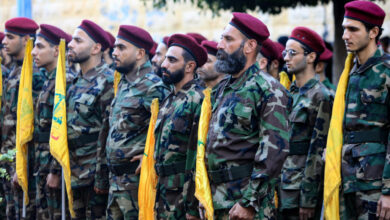
Reports from the United Nations and other international bodies indicate that thousands of mercenaries recruited during previous rounds of escalation remain in Libya. Influential actors, including Egypt and France, as well as Libyan parties, are calling for their withdrawal.
A Highly Sensitive Issue
According to Bashir al-Jouini, a political analyst specialising in Libyan affairs, any discussion of the current political momentum must consider two initiatives: the UN initiative led by envoy Hanna Tetteh and the US initiative led by Massad Boulos.
The question of those described as “mercenaries”, foreign forces and foreign fighters has undergone several changes in recent years. These shifts relate particularly to how the presence of foreign forces is viewed, given that their deployment had, at one stage, fuelled escalation in the country.
Al-Jouini identified “three main questions: What can be done about these forces on the ground? How should they be classified, and what is their legal status? How do developments in countries associated with these forces, such as Russia, Türkiye and Syria, affect their presence?”
“This therefore remains an extremely sensitive issue. Successive UN missions have consistently highlighted this dilemma, but it is difficult to predict whether progress can be made at this stage,” he added.
One of the Most Complex Challenges
Fathi al-Shibli, leader of Libya’s Voice of the People Party, said: “In my view, the issue of mercenaries and foreign forces in Libya will remain one of the most complex challenges facing the country. The danger it poses is no less serious than that of political and military division.”
He argued that discussions about unifying institutions, holding elections and building the state remain incomplete as long as Libyan territory hosts foreign forces and armed groups serving regional and international agendas.
“The problem is that US and UN efforts, alongside Türkiye’s launch of the military track, appear to focus on reshaping the political and military landscape,” al-Shibli.
“But the fundamental question is this: Do these initiatives include a genuine plan to remove all foreign forces and mercenaries from Libya, or will the issue remain a source of leverage used by international powers according to their interests?”
He continued: “I do not believe the mercenary issue has actually been forgotten. Rather, I believe it has become subject to calculations driven by international interests. The presence of these forces gives certain external actors influence inside Libya. Their withdrawal will therefore require more than a technical or military decision; it will need political agreements and security guarantees that extend beyond Libya’s borders.”
Turning to the Turkish-backed military process, al-Shibli said that success in unifying Libya’s military could provide an important starting point for addressing the issue.
He stressed, however, that this would depend on a key condition: “Unification must not be limited to an understanding between commanders. It must lay the foundations for a unified national army whose doctrine is to protect Libya and whose decisions are independent of any external dictates. This cannot be achieved by addressing the presence of one foreign actor while ignoring another. The same standard must apply to everyone.”
“In my assessment, the mercenary issue will not be resolved unless the demand for their withdrawal becomes an explicit commitment within any political or military settlement, backed by a specific timetable and a binding monitoring and implementation mechanism,” he said.
Al-Shibli stressed that Libya does not need a settlement that redistributes foreign influence across its territory. It needs a national project that restores its sovereignty and independent decision-making.
A state unable to end the foreign military presence on its territory will continue to exercise only limited sovereignty. Elections and institutional unification will remain unfinished steps unless Libyans alone hold the power to decide matters of war, peace and their country’s future.