Breathing Difficulties and Fainting on the Front Lines: Suspected Houthi Use of Toxic Gases Raises Alarm in Taiz
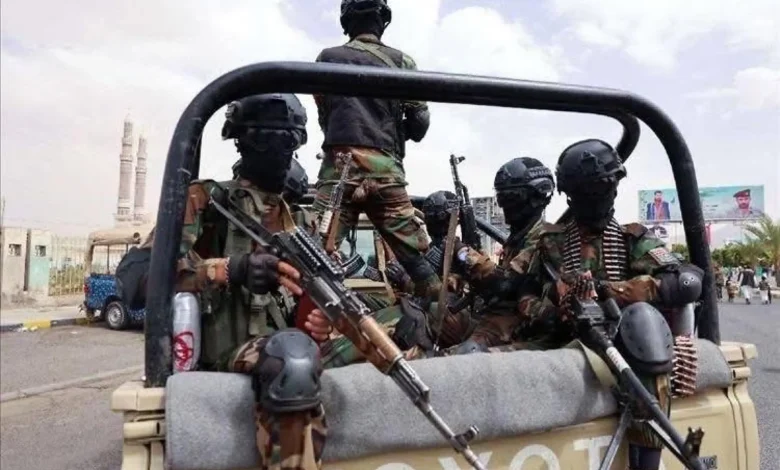
Concerns are mounting in Yemen over the possible use of chemical substances by Houthi militias in military operations, following field reports of projectiles suspected of containing toxic and hazardous materials.
Local authorities in Taiz confirmed that they had received reports from several front lines, most recently those in Al-Aqroud and Kahlan in the governorate. The reports allege that the Houthis used projectiles suspected of containing internationally prohibited toxic substances.
In a statement issued on Wednesday evening, the governorate’s authorities said the reports also referred to earlier, similar incidents in which civilians and members of the Popular Resistance experienced breathing difficulties, sometimes accompanied by loss of consciousness. They called on the relevant government agencies to launch an urgent technical investigation, document the cases, collect witness statements and medical reports, and identify the substances used and any connection to the recorded symptoms.
The authorities also stressed the need to involve the United Nations and relevant international bodies in verification efforts and to hold those responsible accountable for any confirmed use of prohibited substances.
A Deeply Alarming Development
These developments have renewed scrutiny of chemical supplies and dual-use military components believed to have reached the Houthis. Yemeni and US officials had previously warned that such materials could be diverted to develop the militias’ military capabilities, posing challenges for monitoring and anti-smuggling efforts.
Yemen’s Minister of Information, Culture and Tourism, Moammar al-Eryani, described the reports of Houthi weapons suspected of containing toxic substances as “an extremely dangerous development”. He said they reinforced concerns about the group’s efforts to develop chemical capabilities and establish clandestine laboratories.
In a post on X, al-Eryani warned that toxic substances could cause health complications and environmental contamination extending beyond the location and timing of the shelling. This would pose an additional threat to civilians, emergency medical personnel and rescue teams, particularly in Taiz, which faces a blockade and deteriorating healthcare services.
He called on the United Nations and relevant international organisations, particularly the Organisation for the Prohibition of Chemical Weapons (OPCW), to provide medical and technical assistance to protect civilians and investigate networks smuggling chemicals and military components to the Houthis.
In October last year, government forces announced that they had intercepted chemicals being smuggled to the Houthis in the southern Red Sea. The shipment included 24 drums of “phenol-formaldehyde polymer”, along with clothing and masks intended for use in chemical laboratories.
Yemeni forces said the seized substance had industrial and military applications and accused networks linked to Iran’s Islamic Revolutionary Guard Corps of being behind the smuggling operation.
International Concern
Internationally, the flow of chemical precursors and dual-use components to the Houthis has become a focus of concern amid efforts to tighten controls on supplies used by the group to develop its military capabilities.
During UN Security Council discussions on Yemen more than two weeks ago, the deputy US representative to the Council raised the militias’ acquisition of hazardous materials and sophisticated explosive components. He said the Iranian regime’s continued transfer of prohibited military technologies was enabling the Houthis to gain access to chemical weapons programmes involving toxic substances.
Washington had already taken concrete legal action before issuing these warnings. Earlier that month, the US Department of Justice announced the arrest of a Department of Energy employee, Ashton Hamed Alaboudi, on charges of attempting to provide material support to the Houthis and seeking to supply chemical precursors and components used to manufacture explosives and drones.
According to US security assessments, the concern is that the Houthis could divert industrial and dual-use materials to improve explosive devices and strengthen their ability to carry out sophisticated, targeted attacks. Such developments would broaden the threat to international shipping in the Red Sea.