The Maritime Squeeze Tightens: Washington Cuts Oil Flows and Cripples Iran’s Ports
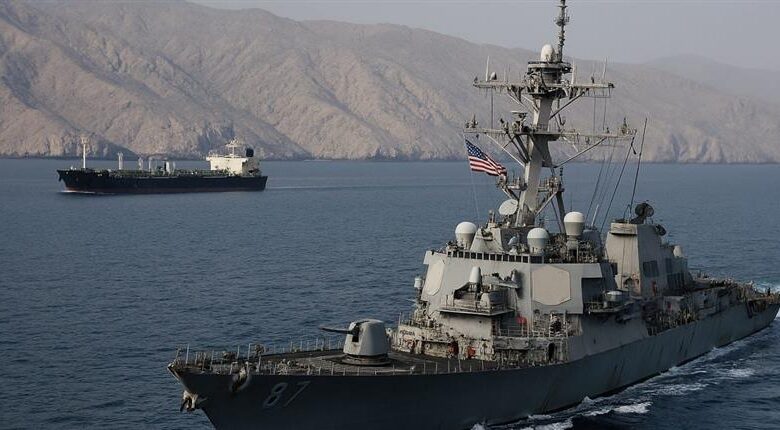
Iran’s economic losses are mounting as the US naval blockade reaches 173 days across two phases since April. US estimates suggest that Tehran has been deprived of $25 billion in oil revenue. Loading of new crude cargoes has halted, while thousands of trucks are backed up at borders with neighbouring countries and import and overland transport costs are rising sharply.
The developments come as US assessments forecast that Iran’s economy will contract by more than 25% during the fiscal year ending in March 2027.
The first phase of the blockade began on April 13 and continued until June 18, lasting 67 days. Operations resumed on July 14 following the collapse of interim arrangements between Washington and Tehran. As of Wednesday, the second phase has lasted 106 days.
A US source familiar with the Treasury Department’s economic assessments said analyses monitored by US officials indicate that the blockade’s greatest impact has now shifted to financial flows from oil sales. Tehran has depleted much of the oil it had moved outside the Gulf before maritime restrictions were tightened.
The source said current US assessments focus on the gap between Iran’s pre-blockade export volumes and the revenue it can still collect from earlier shipments. They also examine whether Iranian state institutions can secure the foreign currency needed to finance imports and public spending.
Oil Export Losses and Dwindling Revenue
Data from cargo-tracking companies show that Iranian crude oil and condensate loadings fell from around two million barrels per day in March to between 220,000 and 255,000 barrels per day in August. According to Kpler’s estimates, no new cargoes have been loaded since August 25.
On October 22, the company reported that floating oil inventories outside the blockade zone had been exhausted. Those stocks had stood at approximately 88.8 million barrels when operations resumed in July. Around 43 million barrels, meanwhile, remained inside the blockaded area.
According to the US source, assessments of oil-related losses account for both the suspension of new exports and Iran’s reduced ability to collect revenue. The source said the $25 billion figure announced by US Central Command represents an estimate of the revenue Iran has been denied because of restrictions on its exports.
The source added that Washington is monitoring how foreign currency shortages affect import financing, while continuing financial measures targeting banking channels used for Iranian trade transactions.
Omid Shokri, a researcher specialising in energy and economic sanctions, said the depletion of floating inventories intensifies the blockade’s impact on Iran’s public finances, given the state’s reliance on oil exports to generate foreign currency and fund a substantial share of its expenditure.
Shokri said declining dollar inflows are gradually affecting the exchange rate and production costs, particularly in sectors dependent on imported equipment and raw materials. These pressures are compounded by the growing financial burden of the continuing war and disruptions to energy infrastructure.
Overland Routes Drive Up Trade Costs
The blockade’s effects have spread to land crossings as Iran increasingly relies on trucks to offset disruptions to maritime shipping. Trade reports indicated that around 17,000 trucks were stranded at borders with Türkiye, Afghanistan and Azerbaijan by the end of September. Waiting times at some crossings reached 20 days.
The congestion coincided with Iraq’s closure of the Al-Sheeb border crossing on October 21, Pakistani restrictions on truck movements through the Gabd and Taftan crossings, and continuing delays on routes connecting Iran with Türkiye, Afghanistan and Azerbaijan.
Transporting a container overland from China to Iran now costs around $12,000, compared with $3,000 by sea, according to estimates from the president of the Iran-China Chamber of Commerce. He warned that extensive reliance on overland routes could add approximately $18 billion a year to transport costs.
Against this backdrop, the US source said assessments monitored by the Treasury Department examine rising import costs and delivery delays, with particular attention to how border bottlenecks affect Iranian companies’ ability to obtain industrial inputs and essential goods.
Shokri said higher road freight costs are increasing pressure on businesses and consumers, particularly amid a weak Iranian currency and a reduced ability to finance imports. He noted that overland routes face constraints related to border-crossing capacity, infrastructure, and insurance and transport costs.
The developments follow US Treasury Secretary Scott Bessent’s forecast on Monday that Iran’s economy would shrink by more than 25% between March 2026 and March 2027. He also warned of worsening fuel shortages and declining oil production.